
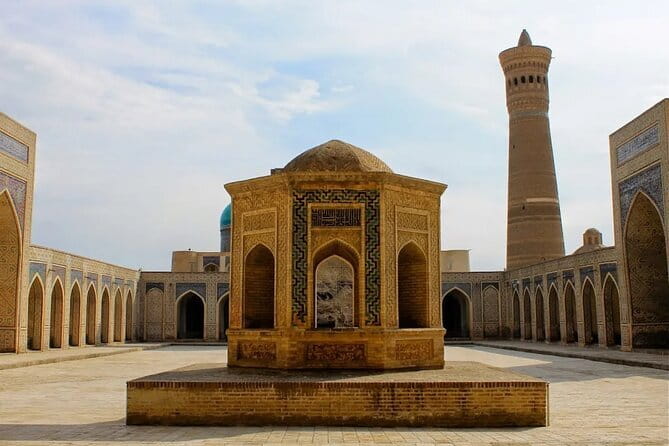
Reviewed · BUKHARA TOURS
A Complete Chapter To Old Bukhara
Bukhara is best understood on foot, where a mosque, madrasa, minaret, and market can appear within a few minutes of one another. This tour with Hamza brings those places together in a compact walk, with a useful mix of Central Asian history, local customs, and everyday life at the bazaar.
I like the route’s strong history focus and the way it ends near the Ismail Samani Mausoleum, giving you time to explore a local market if it is open. I also like the small maximum of 10 people, which should make questions easier. The main drawback is that the walk can take anywhere from three to four hours, and entry fees, transport, drinks, and taxes are not included.
Key points to know before you book
- Hamza leads the walk: His explanations are clear and focused on helping you understand Bukhara, not just photograph it.
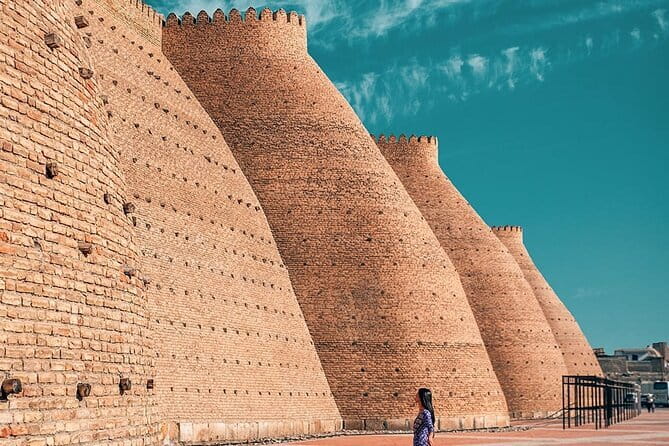
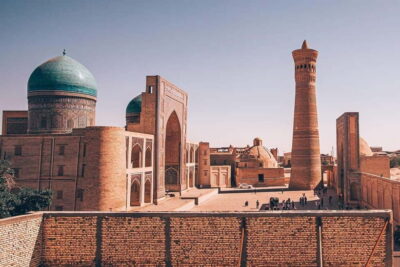
- A full Old Bukhara route: The walk includes Bolo Hauz Mosque, the Ark, Kalon Minaret, several madrasas, Magoki Attori Mosque, and the carpet museum.
- A useful market finish: The tour ends near Ismail Samani Mausoleum and a local bazaar, if the bazaar is open.
- Small group size: No more than 10 people can join, a helpful limit for a walking tour with several historic stops.
- Good value at $55: You pay for a private guide service in a small group, but not for transport, refreshments, or all admission charges.
- Flexible walking pace: The stated duration is approximate, since the experience is entirely on foot.
Why Bukhara rewards a walking tour
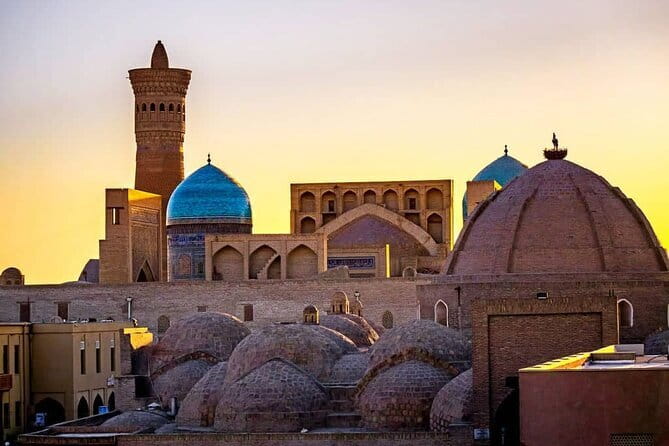
Bukhara is not a city you understand by ticking off isolated sights. Its appeal comes from the links between them: religious schools near major trading areas, monumental gateways opening onto old streets, and active local life around buildings that have shaped the city for centuries.
That makes a guided walk useful. You can see the main landmarks yourself, but a guide helps explain how they fit into Bukhara’s customs and Central Asian past. Hamza’s role is especially important here because the experience is designed around explanation rather than simple sightseeing.
The tour lasts about three to four hours. That gives you enough time for a broad look at the old city, though the short stops listed for several buildings suggest that the emphasis is on orientation and storytelling rather than long interior visits at every site.
I would choose this experience early in a Bukhara stay. With an average booking lead time of five days, it is sensible to reserve before arrival if you want a particular day. It can help you learn the layout first, then return later to the places that deserve more time.
A few more Bukhara days to weigh up
- Bukhara: Walking Tour with a Small Group
★ 4.9 · 260 reviews - Best of Bukhara: All Day Private Old Town Tour
★ 5.0 · 66 reviews - Best of Bukhara: All Day Private Old Town Tour
★ 4.9 · 62 reviews
Starting at Magoki Attori Mosque and the carpet museum
The meeting point is Magoki Attori Mosque and carpet museum on Mekhtar Anbar Street, number 55, in Bukhara. This is a practical starting place because the building introduces two parts of the city’s identity at once: religious architecture and the long tradition of carpet making.
The mosque portion is not simply a quick photo stop. Magoki Attori is one of the places where Bukhara’s past feels layered, with older religious and urban traditions gathered around one site. The attached carpet museum adds a cultural angle that goes beyond monuments. You get a chance to think about craft, pattern, and local work, not just rulers and dates.
Admission to this stop is not included. That is worth checking before the walk begins, especially since the tour price does not cover all fees and taxes. If you are trying to keep the day inexpensive, ask Hamza which entries are essential and which can be viewed from outside.
Bolo Hauz Mosque and the Ark of Bukhara
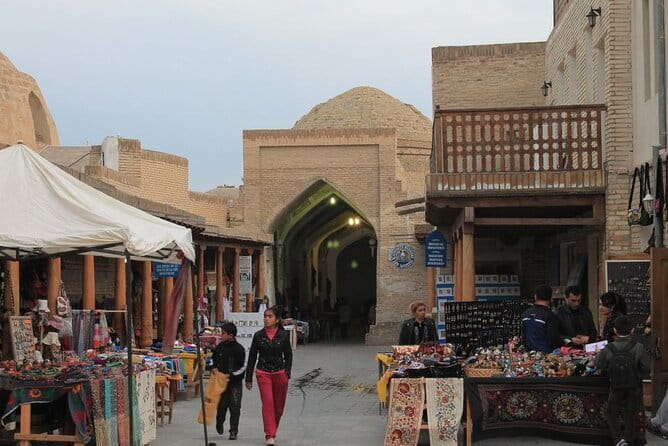
Bolo Hauz Mosque is scheduled as a brief stop, with admission included. The short visit means you should expect an introduction and a look around rather than an extended architectural study.
Even with limited time, it is an important part of the route because it gives the walk a religious setting before the focus turns to Bukhara’s great defensive and royal complex, the Ark. The contrast matters. Bolo Hauz connects you with worship and community, while the Ark points to authority, government, and the city’s ruling past.
The Ark itself is included in the tour route, although the available details do not specify an admission arrangement for every part of the complex. Since all fees and taxes are excluded from the base price, ask about any ticket required if you want to enter rather than view the site from outside.
I appreciate this pairing because it prevents the walk from becoming a string of similar facades. You move between different kinds of places and get a clearer sense of how Bukhara worked as a city.
The Kalon Minaret and the heart of old Bukhara
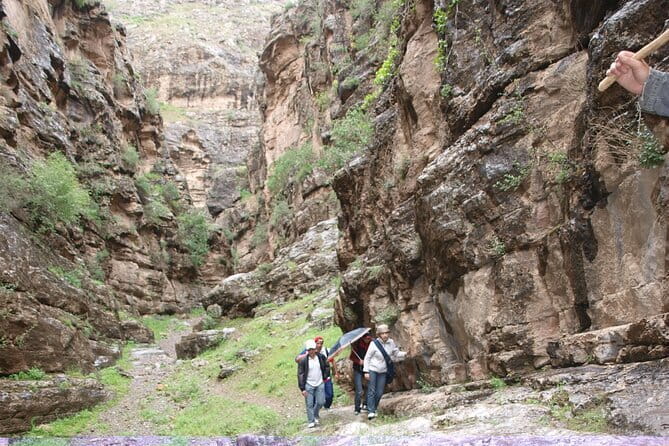
The Great Minaret of the Kalon is one of the defining sights on the walk. It appears more than once in the schedule, first as a short stop and later as another brief viewing point. That repetition may reflect its importance as a landmark used to orient the group through the old center.
The minaret is not just a tall structure to admire. It helps you read Bukhara’s historic center, giving the surrounding mosques, schools, and streets a common reference point. The stop is listed at only five minutes in one place and two minutes in another, so you should not expect a long formal visit or a detailed climb.
Still, the Kalon area is likely to be one of the most memorable parts of the walk. I would listen closely here, since this is the kind of place where a few clear facts can make the surrounding buildings much easier to understand.
The route also includes Mir-i-Arab Madrasa nearby. Its entry is not included, and the visit is described as seeing around rather than spending a long time inside. That makes this portion best for exterior views, photographs, and an explanation of the building’s place in Bukhara’s religious life.
Same city, a completely different day out:
- From Bukhara: 2-Day Desert Yurt Camp Tour
★ 4.5 · 57 reviews - City Tour Around Bukhara
★ 5.0 · 55 reviews - Bukhara Full Day Old City Private Tour
★ 5.0 · 46 reviews - Bukhara: Historic Center Guided Sightseeing Tour
★ 4.8 · 44 reviews
Ulugbek Madrasa and the city’s intellectual side
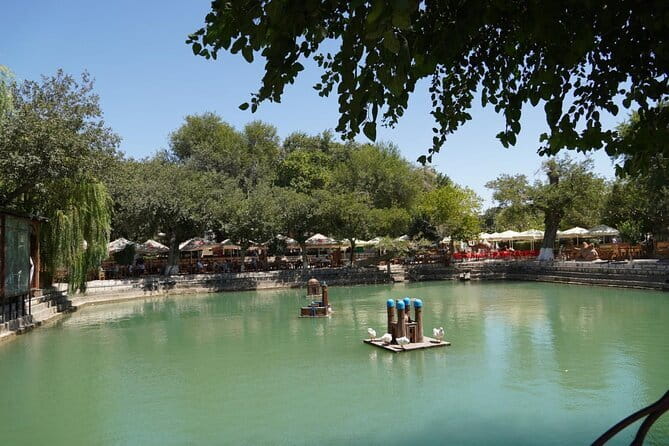
Ulugbek Madrasa receives a short stop of about five minutes, with admission listed as free. The visit gives the tour a chance to move beyond royal power and religious monuments into education.
A madrasa was a place of study, and Ulugbek’s name connects the building with the wider intellectual world of Central Asia. You should expect Hamza to explain the setting and point out what to notice, rather than provide an hour-long architectural lecture.
This is one reason I would recommend the walk to anyone interested in Central Asian history. The route does not present Bukhara as a collection of pretty old buildings. It connects faith, learning, power, trade, and daily life. That broader frame is more useful than memorizing a list of construction dates.
The short timing is also a limitation. If you want to inspect tilework or architectural details at length, you will need to return on your own. The tour gives you a foundation, not unlimited time at each monument.
Kosh Madrasah and Abdulaziz-Khan Madrasah
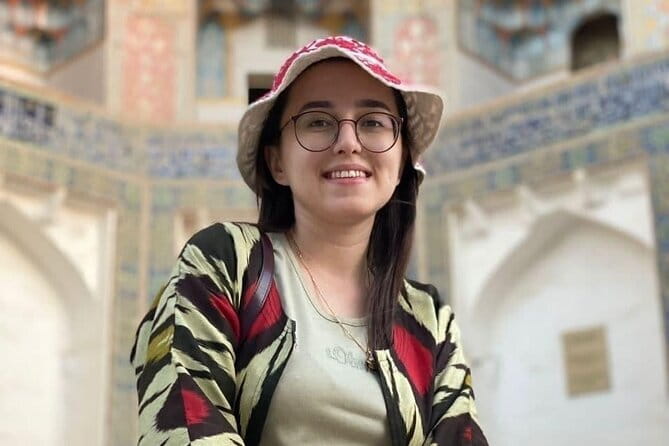
Kosh Madrasah is included as a quick look around, with about two minutes allowed and admission not included. Abdulaziz-Khan Madrasah receives the same brief treatment.
These stops are valuable because they add scale to the story of Bukhara’s schools. You see that the city’s architectural character comes from a group of related institutions, not one famous monument alone.
At the same time, two minutes is not enough for a detailed interior visit. I would treat both as guided orientation stops. Pay attention to the exterior forms and to Hamza’s explanation, then decide if one deserves a longer return visit later.
This is a recurring pattern on the walk. The tour covers a lot of ground, but it does so through short introductions. That is a good arrangement for a first look at Bukhara, less so for someone who wants to study every courtyard, inscription, or decorative detail.
Magoki Attori and the carpet museum
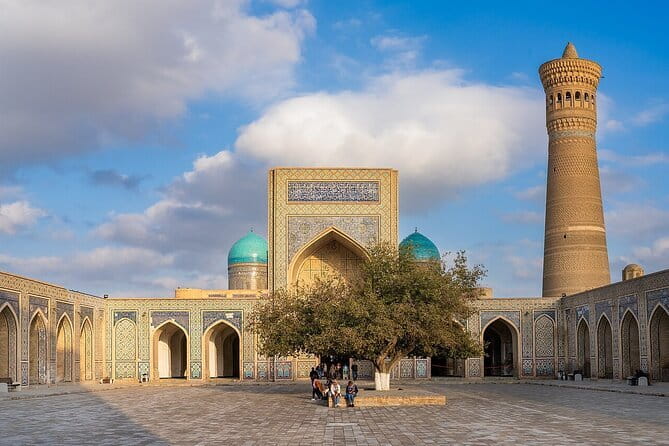
The return to Magoki Attori Mosque and the carpet museum gives the route a useful cultural counterpoint. The old city is not only about dynasties, monuments, and religious schools. It is also about skills passed through communities and the objects people make and use.
Because admission is not included, budget a little extra if you want to enter. The supplied price of $55 covers Hamza’s guide service, the walking tour, 24/7 support, help with other bookings, and general assistance, but it does not cover every site ticket.
That support can be useful if you are arranging more of your time in Uzbekistan. The tour provider offers help with other bookings, so you can ask questions beyond the walk. I would clarify exactly what assistance is available before relying on it for a separate activity.
Finishing near Ismail Samani Mausoleum
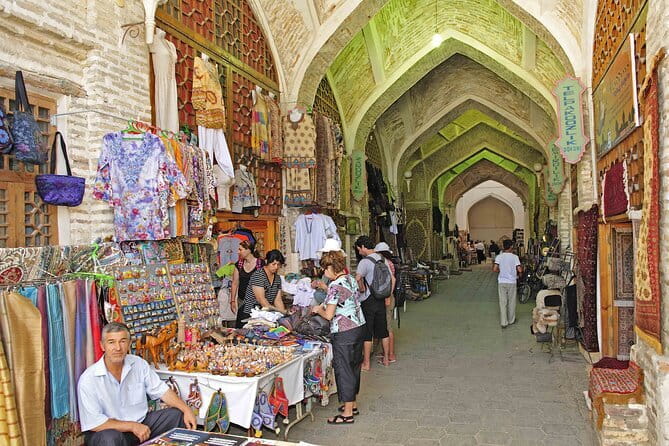
The walk ends near the Ismail Samani Mausoleum, close to a local bazaar. If the market is open, you have time to explore it after the formal tour ends.
This is one of the best choices in the route. A bazaar gives you a chance to see Bukhara as a living city rather than a preserved historic center. You might find local food, goods, and ordinary shopping activity, though the available details do not promise specific stalls or opening hours.
The mausoleum itself provides a fitting final landmark. After mosques, madrasas, the Ark, and the Kalon Minaret, you finish with another major piece of Bukhara’s past, then have the option of shifting your attention to present-day local life.
Remember that the tour ends near the mausoleum, not necessarily at your hotel. Transport is not included, so you will need to arrange your own way afterward. The same is true at the start, although the meeting point is near public transportation.
What $55 gets you
At $55 per person, the value depends on how much you want from a guide. If you only need directions and outside views, you can see parts of Bukhara independently for less. If you want the sites connected through Central Asian history and local culture, the cost is more reasonable.
The group limit of 10 improves the value. You are not paying for a fully private tour, but you are also not joining a very large crowd where questions can be difficult. A small group should make it easier to hear Hamza and ask about a building that catches your attention.
Several useful services are included:
- Guide service with Hamza
- Walking tour
- 24/7 support
- Help with other bookings
- General assistance during the experience
Coffee and tea are not included. Transport is not included, and neither are all fees and taxes. Some admission details are included at specific stops, while others are not, so carry money for possible entries and ask for clarification at the beginning.
Who will enjoy this walk most
I would recommend this tour to a first-time visitor who wants a solid introduction to Bukhara in half a day. It suits you especially well if you enjoy history, architecture, religious buildings, and local markets, but do not want to plan every stop yourself.
The experience also fits anyone who prefers walking to vehicle sightseeing. Most of the value comes from moving through the old center and seeing how the monuments relate to one another.
It may be less suitable if you have limited mobility or dislike extended walks. The provider says most people can participate, but the duration depends on the walking pace. No detailed accessibility information is supplied, so ask before booking if stairs, uneven surfaces, or long periods on foot are a concern.
Families and mixed-interest groups may also find it useful because the route changes subject often. A child who loses interest in a madrasa may pay more attention at the Ark or bazaar. A history enthusiast will appreciate the number of sites, though may want extra time afterward at the buildings that matter most.
Practical details that affect your day
The tour is offered with a mobile ticket, and confirmation arrives at booking. It requires good weather, so poor conditions can lead to a different date or a full refund.
The activity also requires a minimum number of participants. If that number is not reached, you can be offered another date or experience, or receive a full refund.
Free cancellation is available up to 24 hours before the start time. Changes or cancellations made less than 24 hours before the local start time are not accepted for a refund.
I would wear comfortable shoes and bring water, although drinks are not supplied. Since the route is on foot and the time is approximate, leave some space in your schedule rather than booking another fixed activity immediately afterward.
Should you book A Complete Chapter To Old Bukhara?
Book it if you want Hamza to connect Bukhara’s major sights into one clear story, with history, culture, and a final look at local market life. The small group limit, broad route, and useful finish near Ismail Samani Mausoleum make $55 a fair price for a guided introduction.
Skip it if you prefer slow, detailed visits inside every monument or if you want transport included. The short stops are designed to show you the city’s main points and give you context, not to replace a full day of independent exploration.
For most first visits, I would take the walk early in the stay, listen carefully, and use the final bazaar stop to continue exploring on your own.
FAQ
How long does A Complete Chapter To Old Bukhara last?
The walking tour lasts approximately three to four hours. The exact duration can depend on the pace of the walk.
Who is the guide?
The experience is led by Hamza.
How many people can join the tour?
The group has a maximum of 10 participants.
Where does the tour start?
The tour starts at Magoki Attori Mosque and carpet museum, at Mekhtar Anbar Street 55, Bukhara, Uzbekistan.
Where does the tour end?
The walk ends near the Ismail Samani Mausoleum, close to a local bazaar. You may have time to explore the bazaar if it is open.
Are admission fees included?
Some admission tickets are included, while others are not. Coffee or tea, transport, and all fees and taxes are excluded from the tour price.
Can I cancel for a full refund?
Yes. You can cancel up to 24 hours before the experience start time for a full refund. Poor weather or failure to meet the minimum number of participants may also result in an alternative date or a full refund.
Just added around Bukhara
- Bukhara: City Highlights Guided Tour with Pickup★ 5.0 · 3 reviews
- Full-Day Private Guided Tour to Islamic 7 Saints of Bukhara★ 4.5 · 3 reviews
- Uzbekistan 8 Days Private Guided Tour★ 4.6 · 3 reviews
- 9 Days Private Guided Tour to Uzbekistan★ 5.0 · 3 reviews
- Legends of Bukhara: Exclusive Full-Day Tour★ 5.0 · 4 reviews
- Bukhara Walking Tour★ 5.0 · 4 reviews
- 2 Day Ukhum Hiking Tour from Bukhara★ 5.0 · 4 reviews
- Bukhara day tour★ 4.0 · 4 reviews
Bukhara Tours, compared.
Bukhara: Historic Center Guided Sightseeing Tour
Read our review →
All You Need To Know About Bukhara. A Walk In The Town
Read our review →Browse the lists this tour appears in