
Reviewed · BUKHARA TOURS
Bukhara One Day Tour – Departure From Tashkent
Bukhara gives you the strongest sense of Uzbekistan’s Silk Road past, and this day trip packs its old center into one demanding but rewarding outing. You’ll see the Poi Kalon Ensemble, ancient religious schools, mausoleums, and the Trading Domes before returning to Tashkent by air.
I like the efficient mix of high-speed train and flight, which gives you more time in Bukhara than a same-day round trip by road. I also like the private format: guides such as Shahnoza and Dilfuza have helped visitors cover major sights while adding personal stories. The drawback is the length. With transfers, expect a day of 12 hours or more, and transport arrangements need careful confirmation.
Key points at a glance
- Four hours by high-speed train: The published plan sends you from Tashkent to Bukhara by train, with a flight back taking about 80 minutes.
- Six hours in Bukhara: Your guide leads a concentrated walk through the old city, including mosques, madrasas, mausoleums, Poi Kalon, and the Trading Domes.
- Private guiding: You receive a guide rather than joining a large group, with English and Russian available.
- Lunch and admission included: The $299 price covers transport, entry fees, lunch, hotel pickup, and drop-off.
- The day can run past 10 p.m.: Wear comfortable shoes and bring extra water or snacks, even though lunch is provided.
- Transport plans can change: The normal arrangement is train out and plane back, but confirm the exact schedule before departure.
Why Bukhara is worth the long day
Bukhara is not a city you visit just to tick off one monument. Its old center works as a connected town of domes, courtyards, prayer spaces, trading lanes, and brick facades. For centuries, it served as a major stop on the Silk Road and an important center for Islamic learning and art.
That context matters on a short visit. Without a guide, you can admire the buildings but miss how the pieces fit together. A good guide helps you see the old city as a place of study, worship, trade, and everyday life, rather than as a row of attractive walls.
The tour gives you about six hours in Bukhara. That is enough for a useful first look, but not enough for a slow exploration of every lane or museum. I would treat this as an efficient introduction, not a substitute for a two or three-night stay.
A few more Bukhara days to weigh up
- Samarkand One Day Tour – Departure From Tashkent
★ 5.0 · 313 reviews - Small group: Tajikistan Seven Lakes Day trip from Samarkand
★ 4.8 · 299 reviews - From Tashkent: Sightseeing Day Trip to Khujand, Tajikistan
★ 4.7 · 169 reviews
The journey from Tashkent to Bukhara
The published transport plan uses a high-speed train in the morning. The ride takes about four hours, so you have a long stretch to rest before the walking begins. The return flight takes roughly 80 minutes, a sensible way to avoid repeating the rail journey after a full day on your feet.
Hotel pickup in Tashkent is included. The operator sends electronic tickets, so keep an internet connection available and check your ticket details before leaving your hotel. No tour representative necessarily travels with you on the train or plane, but the local guide is expected to help you board the correct transport.
There is an important wrinkle here. The standard plan is train to Bukhara and airplane back, but one reported departure involved a very early flight from Tashkent and a complicated airport transfer. Since transport arrangements may vary, ask for the exact pickup time, airport, train number, and return flight before the day begins.
If the high-speed train is unavailable, the operator says it will provide the most comfortable class on a regular train. That is a reasonable backup, but it could affect the day’s timing. I would not book a dinner reservation or evening performance in Tashkent for the same night.
One booking began around 8 a.m. and returned near 10:30 p.m. Another involved a 5 a.m. pickup. Those times are far apart, so do not rely only on the broad phrase one day. Get the precise schedule in writing.
Entering Bukhara’s old center
After arriving, you meet your private guide and begin the sightseeing portion. The walking route focuses on Bukhara’s most important historic areas, with time for photos, explanations, shopping, and lunch.
The old center is the heart of the experience. You’ll move among religious buildings and commercial spaces that once supported one another. Madrasas provided education, mosques served worshippers, mausoleums marked sacred memory, and covered markets handled the trade that made Bukhara prosperous.
The quality of this section depends heavily on your guide. Shahnoza received particular praise for managing time well while still explaining the major sites. Dilfuza was also singled out for her guiding, and another private visit paired Dilfuza with Gulirano. Julia guided a festival visit and brought plenty of energy to the day.
That variation is worth noting. Some guides may be excellent storytellers, while others may have weaker English or organize the stops less clearly. Before setting off, ask your guide to outline the order of the sights and tell you which places are priorities. This small step can protect your limited time.
Poi Kalon and Bukhara’s grand architecture
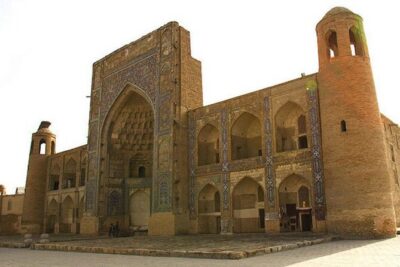
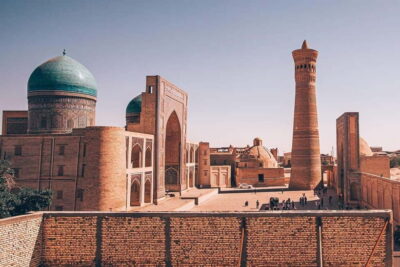
The Poi Kalon Ensemble is the visual center of most visits to Bukhara. Its monumental architecture gives you the scale and drama promised by the city’s old religious quarter.
You can expect to see major Islamic buildings, learn about their role in local culture, and spend time looking at tilework, brick patterns, domes, courtyards, and carved details. The exact monuments included in your walk should be confirmed with your guide, since the supplied plan names the ensemble and broad categories of sights rather than every individual stop.
This is where a guide adds real value. The buildings are impressive at first glance, but a clear explanation helps you notice how the architecture reflects worship, scholarship, power, and trade. I would ask questions about how the religious schools functioned and how the city’s old institutions were connected.
Allow time for photographs, but do not let the first major view consume the whole morning. One concern raised by the low-rated feedback was that too much time may be spent at secondary stops while the main areas receive less attention. A private tour gives you a useful advantage here: you can politely say that you want to prioritize Poi Kalon and the central old town.
Same city, a completely different day out:
- Bukhara: Walking Tour with a Small Group
★ 4.9 · 260 reviews - Best of Bukhara: All Day Private Old Town Tour
★ 5.0 · 66 reviews - Best of Bukhara: All Day Private Old Town Tour
★ 4.9 · 62 reviews - From Bukhara: 2-Day Desert Yurt Camp Tour
★ 4.5 · 57 reviews
The Trading Domes and Bukhara’s commercial past
The Bukhara Trading Domes offer a different mood from the large religious monuments. These covered market structures once protected merchants and shoppers from the sun while goods moved through the city.
Today, you can expect a lively shopping area with stalls and local crafts. The tour includes shopping time, but purchases are personal expenses, so budget separately for anything you want to take home. This is a good place to browse without feeling that every stop must be a major historical site.
I like this part because it connects the grand monuments with ordinary commerce. Bukhara was not simply a place of scholars and rulers. It was also a working market town where people bought, sold, stored, and transported goods.
Shopping can also expand beyond the time you intended. If you have a flight that evening, tell your guide when you need to leave the market area. Your guide should help keep the day moving, but the private format works best when you make your priorities clear early.
Lunch and a taste of daily life
Lunch is included, which makes the $299 price easier to assess. You do not have to lose time searching for a restaurant, and the guide can direct you toward local food rather than leaving you to guess from a short stop.
The supplied details do not specify the restaurant or menu, so you should ask about dietary needs before departure. Bring water and a few personal snacks anyway. One full-day account specifically advised carrying extra refreshments, and the long combination of transport and walking makes that sensible.
The tour also aims to show you modern Bukhara, not only monuments. Your guide may point out places to eat and shop, giving you a better sense of how the old center functions today. Coffee can be harder to find than a meal, so if a proper coffee is important to you, mention it early rather than assuming the next stop will provide one.
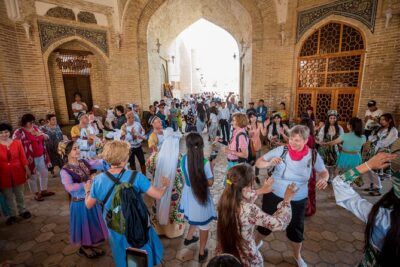
Special events can change the atmosphere. During the Silk and Spices festival, one visit included music, dancing, and crowded streets, while cars were kept out of the old city. That made walking more pleasant, but festivals are occasional rather than guaranteed. The Bukhara Biennale also added an art angle to one private visit, showing how the city’s historic spaces can host contemporary culture.
What $299 really buys you
At $299 per person, this is not a bargain rail excursion. It is a high-cost day trip, but the price includes several items that would otherwise require planning: hotel pickup and drop-off, high-speed train tickets, the return flight, local transport, a private guide, entrance fees, and lunch.
The value depends on what you want from Bukhara. If you have only one free day and want someone else to coordinate the complicated rail and air combination, the price can make sense. You are paying for speed, transport coordination, and a private guide as much as for the sightseeing itself.
If you have several days in Uzbekistan, the calculation changes. A night or two in Bukhara would cost more in time but would let you see the old city at a calmer pace. You could return to the Poi Kalon area at different times, shop without watching the clock, and visit more sites.
The private format is especially useful for solo visitors or couples with specific interests. One solo booking became a highly personalized day, including contemporary art after the guide learned that the visitor liked it. On the other hand, you should not expect to meet a group of other people. Some departures have only one person booked.
The overall rating is 3.6 from 17 ratings, which signals an uneven experience. Several people praised the guides, drivers, efficient timing, and value, while serious complaints involved missed pickups, poor communication, cancellations, and unclear guiding. That range makes confirmation essential.
The long day and its practical demands
This tour is physically and mentally full. A four-hour train ride, transfers, six hours of sightseeing, a flight, and hotel drop-off can push the day beyond 12 hours.
Wear comfortable shoes. Bukhara’s old center is best experienced on foot, and one positive account still described the day as very long with lots of walking. Carry water, snacks, sun protection, and a phone with your tickets saved where you can access them.
The train itself can be pleasant. Afrosiyob service has provided a drink and snack on the ride, but do not treat that as your only food. Lunch is included later, and the exact train service could change if the high-speed option is unavailable.
The airport transition deserves attention. One person found the return transfer below the expected standard, while another had a smooth flight but felt unsure about what to do at the airport. Ask your guide exactly where the driver will meet you and how much time you have before departure.
Free cancellation is available up to 24 hours before departure, and you can reserve now while paying later. Those policies help if your Uzbekistan schedule is still shifting, but they do not remove the need to verify the day’s transport plan.
Who should book this Bukhara day trip
I would consider this tour if you are staying in Tashkent and have only one opening for Bukhara. It is also a good match if you prefer private guiding, want transport handled for you, and are willing to trade a relaxed pace for efficiency.
Solo visitors may find the format particularly practical. You can shape the day around architecture, shopping, art, or local life without waiting for a large group.
It is less suitable if you dislike early starts, long transport days, or tightly managed schedules. It is also a poor choice for anyone who wants to linger over every monument or spend unhurried evenings in Bukhara.
Before booking, ask for four things: the exact pickup time, confirmation that the train goes out and the plane returns, the guide’s name and language level, and the planned list of major stops. Those answers will tell you far more about your day than the advertised duration.
Should you book it?
Book it if Bukhara is a priority but your schedule gives you only one day. The best parts are clear: fast transport, a private guide, access to the main historic center, included admissions and lunch, and a return flight that avoids another four-hour rail ride.
Go in with realistic expectations. This is a compressed introduction, not a leisurely stay, and the mixed rating points to real risks with communication and transfers. I would book only after confirming the transport details and pickup time directly.
If the operator assigns a guide like Shahnoza or Dilfuza, you may get the full benefit of a private visit: efficient sightseeing with stories that bring the buildings to life. If your plans allow an overnight stay, choose that instead. If they do not, this tour can deliver a worthwhile first look at Bukhara, provided you are ready for a very long day.
FAQ
How long does the tour last?
The activity lasts one day, but the full day can run beyond 12 hours. One schedule began around 8 a.m. and returned to Tashkent near 10:30 p.m.
How do I travel from Tashkent to Bukhara?
The published plan uses a high-speed train from Tashkent to Bukhara. The train ride takes about four hours.
How do I return to Tashkent?
The published plan uses an airplane for the return journey. The flight takes about 80 minutes.
What happens if the high-speed train is unavailable?
The operator says it will replace the high-speed train with the most comfortable class of regular train.
How much time do I spend in Bukhara?
The sightseeing portion in Bukhara is listed as about six hours, including guided touring, shopping, and sightseeing.
What sights are included?
The tour includes Bukhara’s major historic areas, including the Poi Kalon Ensemble, ancient mosques, mausoleums, madrasas, and the Trading Domes.
Is hotel pickup included?
Yes. Pickup and drop-off are included for visitors staying at hotels in Tashkent.
Is lunch included?
Yes. Lunch is included in the price, though the specific restaurant and menu are not stated.
What languages are available for the guide?
Guiding is available in English and Russian.
Is this a private tour?
Yes. The activity is offered as a private group experience.
Just added around Bukhara
- Bukhara: City Highlights Guided Tour with Pickup★ 5.0 · 3 reviews
- Full-Day Private Guided Tour to Islamic 7 Saints of Bukhara★ 4.5 · 3 reviews
- Uzbekistan 8 Days Private Guided Tour★ 4.6 · 3 reviews
- 9 Days Private Guided Tour to Uzbekistan★ 5.0 · 3 reviews
- Legends of Bukhara: Exclusive Full-Day Tour★ 5.0 · 4 reviews
- Bukhara Walking Tour★ 5.0 · 4 reviews
- 2 Day Ukhum Hiking Tour from Bukhara★ 5.0 · 4 reviews
- Bukhara day tour★ 4.0 · 4 reviews
Bukhara Tours, compared.
Bukhara: Historic Center Guided Sightseeing Tour
Read our review →
All You Need To Know About Bukhara. A Walk In The Town
Read our review →Browse the lists this tour appears in