
Reviewed · KHIVA TOURS
Uzbekistan 6 Days Private Tour Khiva-Bukhara-Samarkand by Train
Khiva’s walled old town is the star here. You enter through Urgench and quickly reach Itchan Kala, a compact medieval city filled with blue tile, towering minarets, royal courtyards, and quiet lanes. From there, the tour links Bukhara and Samarkand by train, giving you three major historic centers without the usual work of arranging every transfer yourself.
I like the private format, which keeps the schedule flexible and limits the group to your party. I also like the practical package: central hotels, five breakfasts, local guides, entrance tickets, air-conditioned transport, and train tickets are all covered. The main caution is pace. Six days gives you a strong first look, but the route is full, and train times or availability can affect how much free time you have.
Key points at a glance
- Khiva begins with a complete walled old town: Itchan Kala puts many of the city’s finest sights within walking distance.
- The route uses trains between the historic cities: This avoids long road transfers on the Khiva to Bukhara and Bukhara to Samarkand legs.
- Private guiding keeps the trip personal: Only your group participates, with a licensed guide in each city.
- The strongest value is the bundled planning: Hotels, breakfasts, entrance tickets, drivers, guides, and rail tickets are included.
- Bukhara and Samarkand each receive focused sightseeing time: You see major landmarks, but free time is limited.
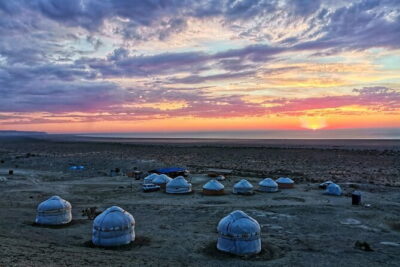
- The schedule can be customized: Desert or mountain detours, and additions such as Tashkent, may be possible at no or small extra charge.
Why this six-day route works
This tour follows Uzbekistan’s classic historic corridor: Urgench and Khiva in the west, Bukhara in the center, and Samarkand farther east. Each city feels different enough to justify the move.
Khiva is compact and enclosed behind fortified walls. Bukhara feels more like a historic town where monuments, trading domes, pools, and working streets share the same space. Samarkand is broader and more monumental, with enormous Timurid buildings spread across several areas.
The route is efficient because the long city-to-city connections are made by train. You still need to allow for station transfers, boarding times, and possible schedule changes, but you are not spending the whole trip in a car.
The private setup also matters. You are not tied to a large group’s pace, and the tour provider says small itinerary changes can be arranged. An earlier booking note describes an expanded trip to Tashkent with four well-organized city connections and printed copies of the schedule shared among drivers, guides, and hotel staff. That suggests a useful operational habit: keep your own itinerary copy handy, but expect the local team to coordinate the moving parts.
More train legs between the Silk Road cities:
- 2 Days Tour to Bukhara and Samarkand from Tashkent by train
★ 5.0 · 53 reviews - Tashkent Airport & Train Station Pick Up & Drop Off
★ 4.5 · 50 reviews - Day Tour to Samarkand from Tashkent by train.
★ 5.0 · 34 reviews
Day 1: Entering Khiva through Itchan Kala
Your trip begins with pickup at Urgench Airport. A driver meets you in the arrivals hall with a name sign, then takes you to Khiva and its walled inner city, Itchan Kala. The airport pickup is short, but it removes the first awkward task after an international arrival.
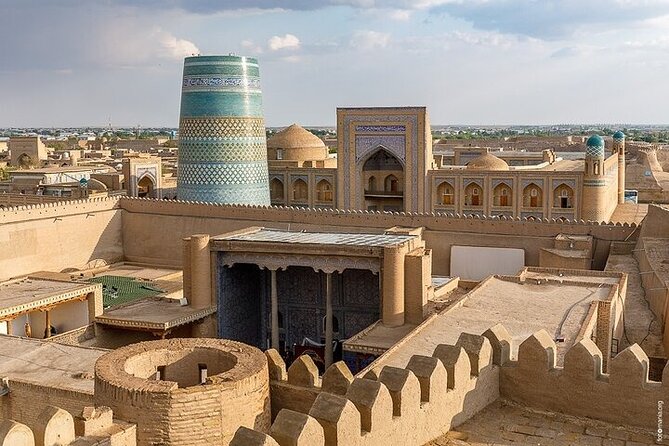
Itchan Kala covers about 26 hectares inside brick walls that reach up to 10 meters high. This is not simply a collection of isolated monuments. The walls, lanes, courtyards, former residences, mosques, and palace buildings form a complete old town.
Your first major landmark is Kalta Minor, the short, unfinished minaret. Its unusual appearance comes from its complete covering of glazed tile and majolica. Mohammed Amin Khan intended it to rise more than 70 meters, but construction stopped at roughly 29 meters. The unfinished shape is part of its appeal, and the blue-green decoration makes it one of Khiva’s easiest landmarks to recognize.
You then spend about two hours at Kunya Ark, the fortified citadel beside the western wall. It was the khan’s seat and the largest building complex in Khiva. The citadel is a good place to begin understanding how political power worked in the old city, since royal functions, defense, and ceremony were all concentrated here.
The Pahlavan Mahmud Mausoleum offers a different mood. Pahlavan Mahmud was remembered as a poet, philosopher, strongman, and healer. What began as a modest tomb grew into a khanaka and mosque, later becoming a richly decorated complex with Khiva’s largest dome. Allow time to look closely at the tilework rather than treating it as a quick photo stop.
The Juma Mosque is one of Khiva’s most distinctive interiors. Its roof is supported by a large collection of wooden columns, creating a dim, rhythmic space that feels very different from the open courtyards outside. It was the Friday mosque of the city, where the khan’s name was read during prayers.
At Tash Khauli, or the Stone Palace, you see the royal side of Khorezm architecture. Built between 1830 and 1838 for Allakuli Khan, the palace is known for its courtyards and elaborate decoration. The Islam Khodja Complex closes the day with a madrasa and minaret named for a grand vizier of Khiva. Together, these stops give you architecture from religious, royal, civic, and funerary settings.
The first day is packed, so wear shoes suited to walking and expect repeated transitions between courtyards and narrow lanes. The upside is that nearly everything is close together inside Itchan Kala.
Day 2: A final Khiva morning, then the train to Bukhara
You get another four hours in Itchan Kala before leaving. This is valuable because the first day introduces many sights in quick succession. Use the time for monuments you want to see again, slower photography, or a quiet walk through the old town.
The train to Bukhara is scheduled around either 3:00 p.m. or 6:00 p.m., depending on the date. The listed rail journey takes about six hours. That timing creates two possible experiences: an earlier departure gives you more evening in Bukhara, while a later train leaves more time in Khiva but may make arrival feel late.
A driver meets you at Bukhara station and takes you to your hotel. This transfer is short, but it is welcome after a long rail journey. The train is one of the tour’s practical strengths, though you should confirm the departure time for your date before planning any evening activity.
Day 3: Bukhara’s pools, fortress, and trading domes
Bukhara sightseeing begins at Lyab-i-Hauz, a historic square built around a water reservoir. The ensemble includes the Nodir Divan Begi Madrasa, a khanaka, and a caravanserai. The pool gives the area a calmer feel than a standard plaza, and two hours here allows time to take in the buildings and setting.
The Kalyan complex is the visual centerpiece of old Bukhara. Its 45.6-meter minaret dates to 1127 and survived the Mongol conquest. Nearby are the Friday Mosque and Mir-i-Arab Madrasa. The minaret is especially impressive because it is not just a decorative tower. It was part of the city’s religious and civic identity for centuries.
Next comes the Ark of Bukhara, a royal town within the town. Bukhara’s rulers lived here for more than a thousand years, and the fortress became the center around which the medieval city developed. The Ark is large enough to feel like a separate district, so the one-hour visit works best if you focus on the main structures and the guide’s explanation of royal life.
Bolo Hauz Mosque sits opposite the Ark. Its name means above the pool, referring to the artificial pond in front. The mosque began in 1712 and is noted for its wooden columns and porch. It is a smaller, more intimate stop after the scale of the Ark.
Maghak-i Attari Mosque is especially important for its long religious story. The site once served as a Buddhist and Zoroastrian temple before becoming a mosque, and it is described as the oldest surviving mosque in Central Asia. Its brickwork rewards close attention.
The day ends at Bukhara’s trading domes, medieval market structures that now include artisan workshops. This is one of the better places to browse without leaving the historic core. You may find crafts, textiles, and souvenirs, but the buildings themselves are the main attraction.
Bukhara’s schedule is better balanced than Khiva’s first day, yet the city still rewards an unhurried pace. Ask your guide where you can return during free time, especially around Lyab-i-Hauz and the market streets.
A few more Khiva days to weigh up
- Uzbekistan 6 days private tour Tas-Khiva-Buk-Sam-Tas
★ 5.0 · 45 reviews - From Tashkent: Uzbekistan Private 6-Day Tour
★ 5.0 · 6 reviews - Uzbekistan Tour – 6 Days 5 Nights
★ 5.0 · 4 reviews
Day 4: Free time in Bukhara and the Kagan connection
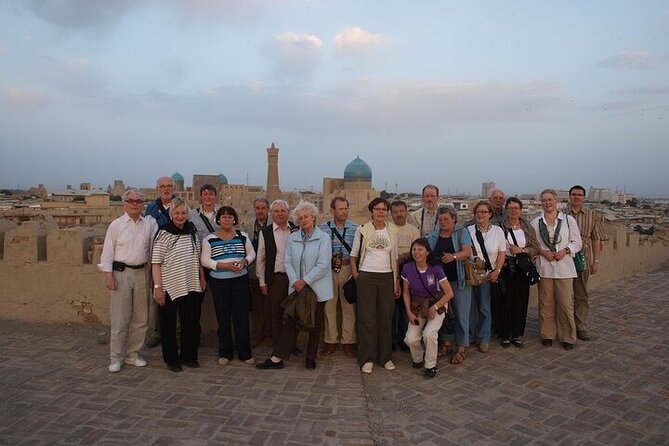
The morning gives you about four hours at leisure. This is one of the most useful parts of the trip because Bukhara contains more monuments than can comfortably fit into one guided circuit.
You can revisit a courtyard, browse the trading domes, or look for additional historic buildings. The tour describes this period as a chance to go on a treasure hunt, but keep your station transfer in mind.
The train to Samarkand leaves from Kagan Railway Station, about 15 kilometers from Bukhara. The transfer takes around 20 minutes, though you should allow extra time for station procedures and any traffic. Train availability is specifically subject to the date, so this is a point to confirm before making fixed plans.
After arriving in Samarkand, you transfer to your hotel. The day is not as sightseeing-heavy as the next one, which is sensible after several long connections.
Day 5: Timurid Samarkand from Gur Emir to Shah-i-Zinda

Samarkand’s main sightseeing day begins at Gur Emir Mausoleum, the tomb of Timur, also known as Tamerlane. The reconstructed building dates to 1404 and 1405, and its blue dome and interior decoration introduce the Timurid style that reaches its grandest expression at the Registan.
The mausoleum also contains an extraordinary jade gravestone, described as the world’s largest piece of jade. The visit takes about an hour, giving you time to consider both the architecture and the political legacy of the ruler buried there.
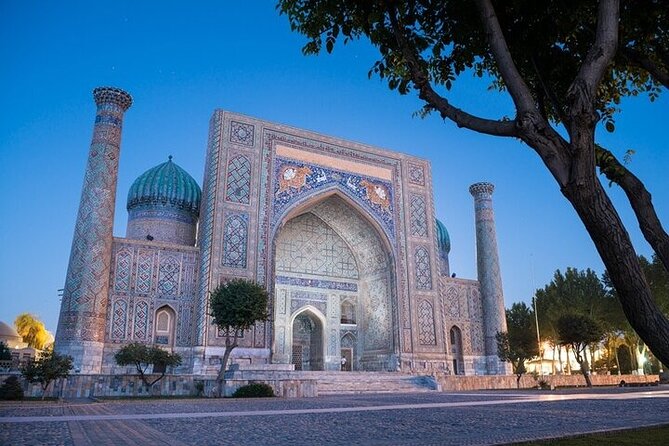
The Registan receives two hours, and it deserves the time. The square is framed by three madrasas: Ulugh Beg, Sher-Dor, and Tilla-Kari. Their facades are covered with tile and geometric design, but each building has its own character. This is the place where Samarkand’s scale becomes clear. The square was once a center of public life, and today it is the city’s defining architectural scene.
Bibi Khanym Mosque follows. Built between 1399 and 1404 on Timur’s order after his campaign in Delhi, it was intended to be one of the great monuments of the region. The visit is brief at 30 minutes, so listen for the main architectural points and take time to look back at the huge proportions of the complex.
Siab Bazaar provides a change of pace. Its produce and handicrafts show a more everyday side of Samarkand than the royal monuments. The half-hour visit is short, but it gives you a chance to see local commerce in the same broad district as Bibi Khanym.
Shah-i-Zinda is perhaps the most visually detailed stop of the day. The complex contains more than 20 mausoleums and 44 tombs on the southeastern mound of Afrosiab. Its name means Living King, and the site is associated with Qutham ibn Abbas, described in the tour information as a first cousin of the Prophet Muhammad. The tiled facades vary from one mausoleum to the next, so this is a place where a guide can help you notice details you might otherwise pass.
The final major stop is Ulugh Beg Observatory. Only the foundations and part of the huge sextant remain, but the site explains the scientific side of the Timurid period. Ulugh Beg, Timur’s grandson, was an astronomer and scholar as well as a ruler. The observatory visit keeps the day from becoming only a parade of royal buildings.
This is the tour’s most demanding sightseeing day. The Registan and Shah-i-Zinda involve substantial walking, and the schedule leaves little room for wandering beyond the planned stops. If you prefer slow museum visits, ask about trimming a stop or using the private format to adjust the order.
What the $800 price includes
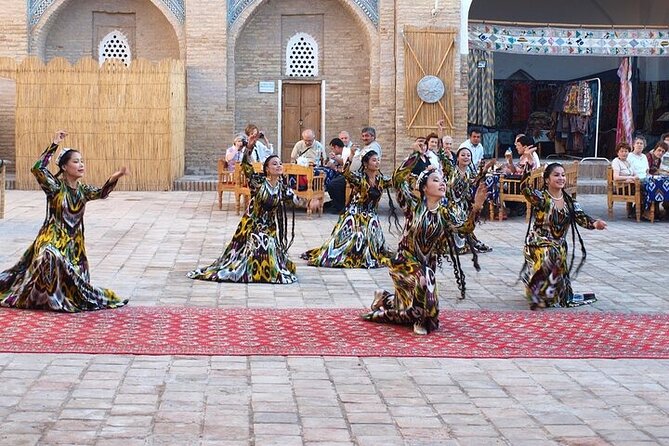
At $800 per person, the value depends on how much of the included support you would otherwise arrange yourself. The package covers five nights in centrally located, well-rated three-star or boutique hotels, five breakfasts, air-conditioned transport, licensed guides in each city, entrance fees, train tickets, airport and station transfers, taxes, and 24-hour customer service.
That is a useful bundle for a route with three cities and multiple handoffs. Hotels in central areas can save time, especially in Khiva and Bukhara, where being near the old town makes a real difference. Included entrance tickets also keep you from repeatedly stopping to work out local payment details.
The price does not include a single-room supplement of $25 per night. You should also budget cash for photo and video charges at museums, usually $1 to $2 per museum, plus tips for guides and drivers if you feel the service was good.
The visa portion needs attention before you book. Visa support is offered if your nationality does not qualify for a waiver, but you still need to obtain the visa online or through an Uzbek embassy when required.
Who will get the most from this tour
I would choose this trip if you want Uzbekistan’s three major historic cities in less than a week and prefer one company to manage the moving parts. It suits first-time visitors who value local guides, private transfers, central hotels, and rail travel more than having a completely open schedule.
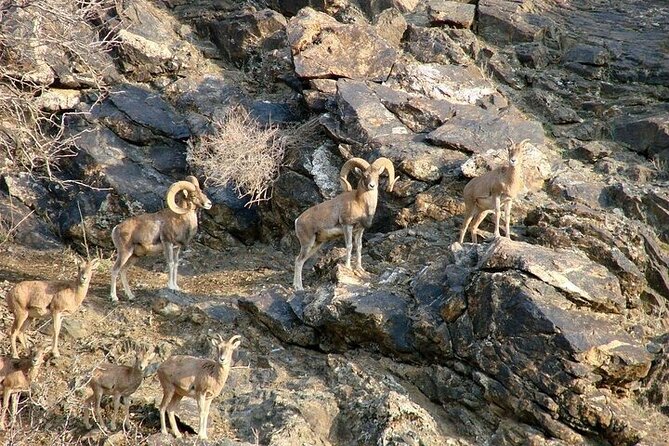
It also works well for couples, families, and small private groups who want to make modest changes. Desert or mountain detours can be added, and Tashkent may also be possible, subject to arrangement.
I would hesitate if you have only a passing interest in architecture or dislike moving hotels. The program is built around monuments, religious buildings, royal sites, and train connections. Six days is efficient, not leisurely.
The tour is private, so only your group participates. That gives you a better chance to ask questions, pause at a favorite site, or request small adjustments than you would have on a large coach trip.
Practical points before booking
Book well ahead if your dates are fixed. The experience is booked an average of 153 days in advance, and the Bukhara to Samarkand train is subject to availability.
Check your arrival and departure flights carefully. The tour starts at Urgench Airport and ends with transfer to Samarkand Airport. You are not returned to Urgench, so an open-jaw flight plan is useful.
Confirm the Khiva to Bukhara train time for your date. Departures may be at 3:00 p.m. or 6:00 p.m., and the listed journey lasts about six hours.
Pack for a lot of walking and keep a little Uzbek currency available for museum photo charges and tips. Your guide can help explain which charges apply at each site.
Cancellation is flexible only up to three full days before the local start time. After that point, the payment is not refunded, and late changes are not accepted.
Should you book it?
Book this Uzbekistan private tour if you want a well-organized first visit built around Khiva, Bukhara, and Samarkand, with the major costs handled in advance. Its best features are the private format, local guides, central hotels, included museum tickets, and train-based route.
Choose a slower custom trip if you want long afternoons in bazaars, extra museum time, or several nights in each city. For most people with six days, though, this is a sensible way to see the country’s headline sights without spending your holiday solving transport problems.
FAQ
Where does the tour start and finish?
The tour starts with pickup at Urgench Airport in Uzbekistan. On Day 6, you are transferred to Samarkand Airport for your flight home.
How long is the tour?
The experience lasts six days and includes five nights of accommodation.
Are train tickets included?
Yes. Train tickets for the Khiva to Bukhara and Bukhara to Samarkand journeys are included, subject to train availability for the Bukhara to Samarkand leg.
Are hotel stays and breakfast included?
Yes. The price includes five nights in centrally located three-star or boutique hotels and five breakfasts. A single-room supplement of $25 per night applies if you want private single accommodation.
Are entrance fees included?
Yes. Entrance tickets to all listed museums and sites are included. Photo and video museum charges are separate and usually cost $1 to $2 per museum, payable in cash.
Is this a private tour?
Yes. Only your group participates. The tour includes a licensed local guide in each city, air-conditioned transport, and 24-hour customer service.
Just added around Khiva
- A Night In The Kyzylkum Desert [2] From Khiva★ 4.5 · 3 reviews
- Khorezm Fortress and KyzylKum Desert Private Tour★ 5.0 · 3 reviews
- Khiva: City Highlights Guided Walking Tour★ 4.6 · 3 reviews
- Best of Khiva: Exclusive Private Tour!★ 5.0 · 3 reviews
- Khiva: classic Half-Day Tour★ 3.7 · 3 reviews
- Traditional Khiva Cooking Class with Market Visit & Lunch★ 5.0 · 4 reviews
- Master Class – Uzbek Bread (Khiva)★ 3.5 · 4 reviews
- Old Khiva Stories with Your Local Guide★ 5.0 · 5 reviews
Khiva Tours, compared.
Khiva: Historical City Highlights Guided Walking Tour
Read our review →
Master Class – Shivit Osh Traditional Food Of Khiva
Read our review →
Browse the lists this tour appears in