
Reviewed · TASHKENT TOURS
Plov and Samsa Cooking Class in Tashkent
The best part of this Tashkent cooking class is that you do not simply watch a chef work. You cut the onions and carrots, clean the rice, prepare the meat, fry the ingredients, add water, and manage the steaming. Plov becomes a hands-on lesson, not just lunch.
I like the warm home setting and the chance to prepare two Uzbek staples in one session. I also like the timing: while the plov steams, you make samsa, so the three hours have a natural rhythm. The main consideration is communication. Russian and English are offered, but the hostess has basic English, so visual demonstrations and patience may matter.
Key points to know before booking
- Private cooking in a local home: The price covers a group of up to two people, giving you a more personal lesson than a large class.
- Plov is the main event: You learn the order of frying, cooking, and steaming that gives Uzbek palov its character.
- Samsa fills the waiting time: You roll dough with ghee, shape the pastry, fill it with minced meat, and bake it.
- You do the practical work: Cutting onions, carrots, and meat is part of the class, not a side demonstration.
- A full meal is included: You eat the plov and samsa you helped prepare, along with the ingredients and cooking instruction.
- Transport is not normally included: One booking included a driver, but pickup and drop-off are listed as extra, so confirm this before you go.
Why plov makes this class worth your time
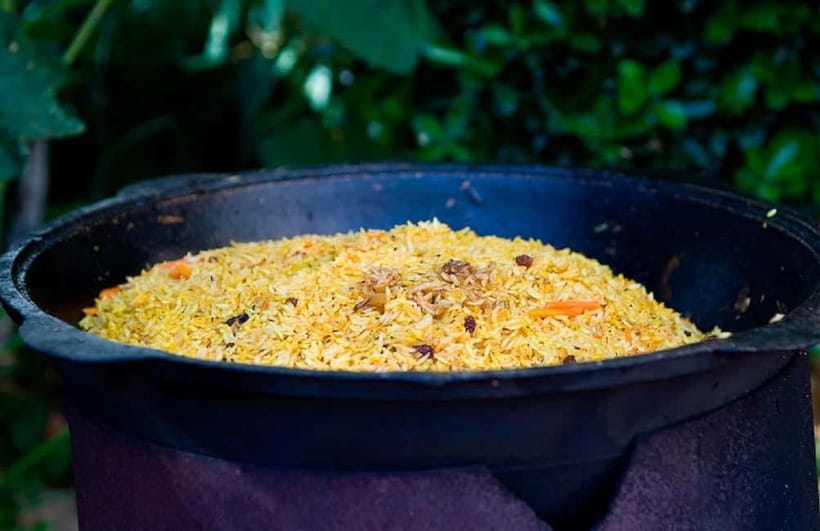
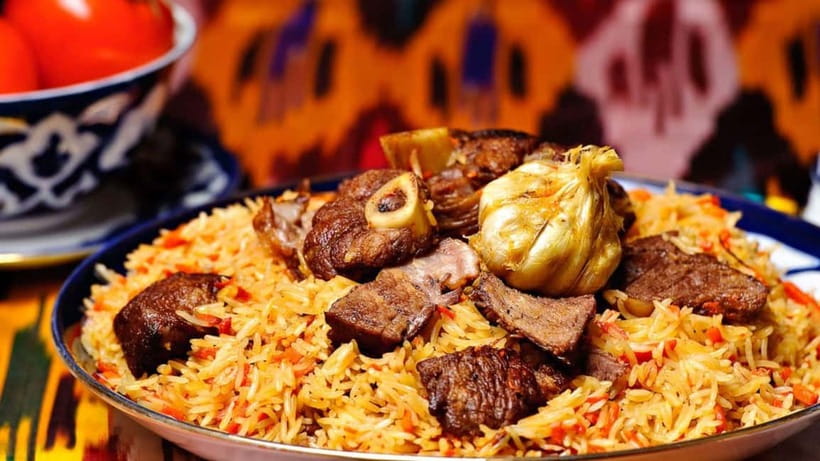
Uzbek plov, also called palov, is more than rice with meat. The cooking order matters. Onions, carrots, meat, oil, spices, rice, water, and steam each play a part, and small changes can affect the final dish.
This class lets you see those stages from close range. You cut the onions and carrots yourself, prepare the meat, clean the rice, and help fry the ingredients. Then you add water and allow the rice to cook and steam. That sequence gives you a useful sense of how the dish works at home, something you miss when plov arrives already prepared in a restaurant bowl.
The listed ingredients include rice, meat, carrots, onions, garlic, cumin, raisins, and sunflower oil. That combination gives you a clear introduction to the sweet, savory, and fragrant balance found in many Uzbek versions of palov. The garlic and cumin bring warmth, while raisins add small bursts of sweetness.
I especially like that the cooking is not rushed into a single demonstration. You have time to take part, ask questions, and correct your technique with help from the team. If you cook often, you will appreciate the practical details. If you rarely cook, the instructor’s close guidance keeps the process manageable.
A meat-free version of the plov is possible for vegans. You should state this clearly when booking, since the standard ingredients include meat. The information provided does not confirm a vegan version of the samsa, so ask about that separately if it matters to you.
More cooking classes in Tashkent:
- Samarkand: Village Tour with Plov Cooking Class & Home Visit
★ 5.0 · 29 reviews - Samarkand: Uzbek Cooking Class in a Village Home
★ 5.0 · 22 reviews - Cooking class in Samarkand with local life experience
★ 5.0 · 19 reviews
Cutting onions and carrots is part of the lesson
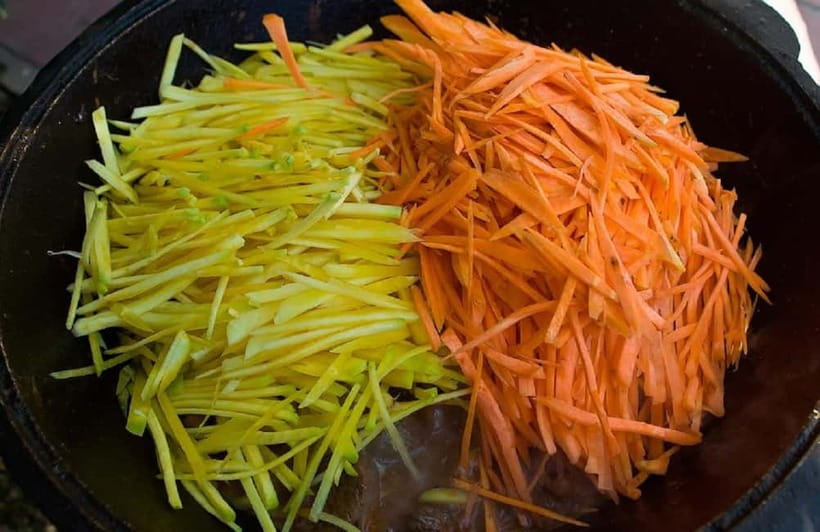
Many cooking activities let you perform one token task before the chef takes over. This one gives you more to do. You are expected to cut onions, carrots, and meat, then clean the rice before the main cooking begins.
That is useful because knife work affects the dish. The vegetables need to cook properly alongside the rice and meat, and the class gives you a chance to learn the expected size and shape instead of guessing later in your own kitchen. You are not just collecting a recipe. You are learning the order and preparation behind it.
The class is private for up to two people, priced at $160 per group. For two people, that works out to $80 each for three hours of instruction, ingredients, cooking, and the meal. For one person, it is a high price for a cooking class, but the private format explains part of the cost and gives you more direct attention.
The setting also matters. The class takes place in a home rather than a formal cooking school. That can make the experience feel more personal and connected to everyday Uzbek food, though it also means you should expect a home-based environment rather than a polished professional kitchen.
Samsa gives you a second Uzbek specialty
Once water has been added to the plov and the rice is steaming, you use the waiting period to prepare samsa. This is a smart part of the schedule. Plov needs time to cook, and you spend that time making another traditional dish instead of simply sitting around.
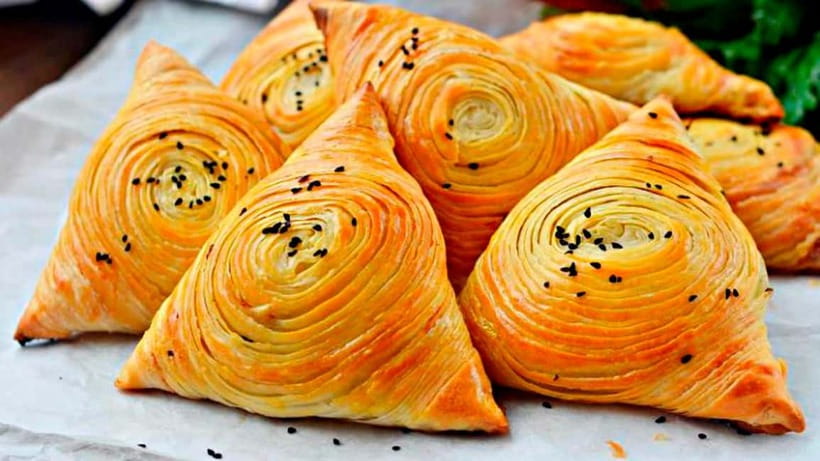
Samsa is a baked triangle of pastry filled with minced meat. You begin with simple dough, roll it out, and spread ghee, or clarified butter, over the surface. You then roll the dough tightly, divide it into equal portions, and chill the small dough patties.
After that, you roll each portion again, add the filling, shape the pastry, and bake it in the oven. A team member helps you with the process, which is useful because shaping dough evenly can be tricky on a first attempt.
The samsa portion makes the class more satisfying than a plov-only lesson. You learn a pastry method, work with a different texture, and finish with food that is baked rather than cooked in the main pot. It also gives you something to compare: plov is about layering ingredients and controlling steam, while samsa is about dough, fat, filling, and shaping.
The information provided describes the standard samsa as meat-filled. If you need a vegetarian or vegan version, ask before booking rather than assuming one will be available.
Returning to the pot for the final plov
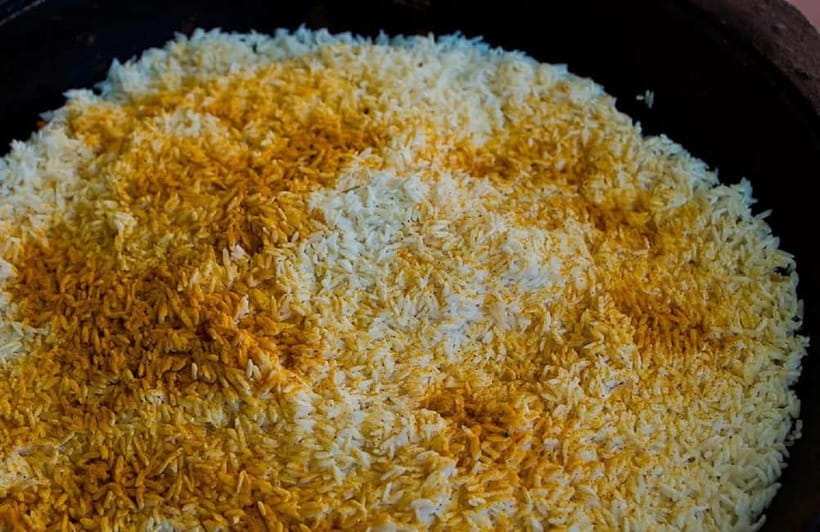
After the samsa is prepared and placed in the oven, you return to the plov. This is where the earlier stages come together. The rice has had time to cook and steam, and the ingredients have developed their flavor in the pot.
You will likely see why the host team emphasizes the order of operations. The class is not simply about adding ingredients together. It is about managing heat and timing, then letting the rice finish without turning soft or sticky.
The meal is the natural finish. You eat the plov and samsa you helped prepare, rather than receiving a separate dish made by someone else. That creates a stronger connection between the work and the food. The class also includes the necessary ingredients and professional instruction, so you do not need to shop for anything beforehand.
One booking described a generous welcome with tea, traditional snacks, and desserts. These extras are not clearly listed as guaranteed inclusions, so I would treat them as a pleasant possibility rather than part of the promised program. The same booking also included food to take away, but that should not be expected unless your host offers it.
A few more Tashkent days to weigh up
- Master Class – Uzbek Bread in Khiva
★ 4.4 · 125 reviews - Master Class – Shivit Osh Traditional Food Of Khiva
★ 4.2 · 27 reviews - Private Samarkand Cooking Class with Market Tour & Transfers
★ 5.0 · 14 reviews - Cooking Class in the Village with Local Family in Samarkand
★ 5.0 · 11 reviews
The home setting and host communication
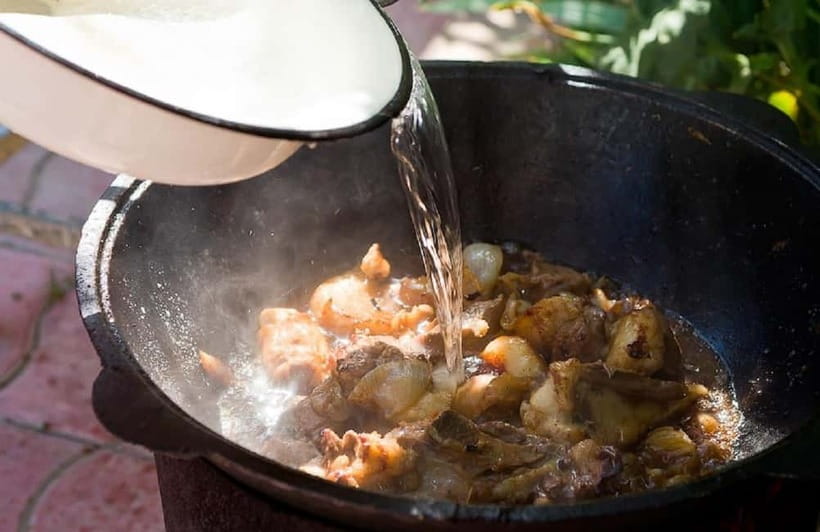
A home cooking class can be one of the easiest ways to experience Uzbek hospitality without turning your visit into a formal restaurant meal. You meet the host family, cook in their setting, and share the finished dishes together.
The host team is described as friendly, welcoming, and professional. The class is designed to be hands-on, with help available while you prepare both dishes. That is important for first-time cooks, since plov and samsa both involve steps that are easier to understand when someone demonstrates them beside you.
Communication deserves a realistic note. Russian and English are the listed languages, but the hostess is described as having a basic level of English. One booking found communication with the wider host family excellent, so the experience may vary depending on who is present. You should be comfortable learning through a mix of simple spoken instructions, demonstration, and repetition.
This is not necessarily a drawback. Food preparation is visual, and cutting, rolling, frying, and steaming can often be shown clearly. Still, if you want a long, detailed discussion of culinary history in fluent English, this may not be the best match.
Comfortable clothing is recommended. Cooking involves oil, dough, vegetables, and flour, so wear something practical rather than your best sightseeing outfit. Alcohol and drugs are not allowed.
Three hours with a useful pace
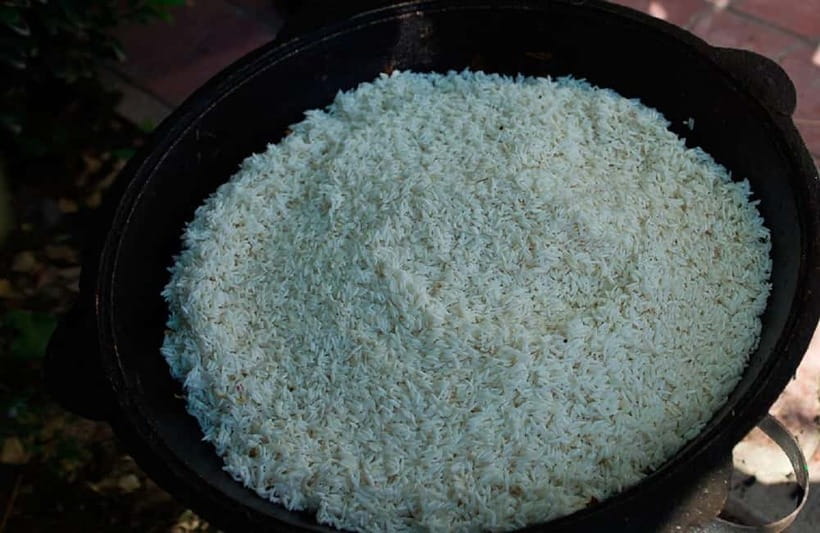
The class lasts three hours, which is long enough for a full meal and two dishes without turning the activity into an all-day commitment. You start with preparation, move into the main plov cooking, shift to samsa while the rice steams, and return to the pot before eating.
That order keeps the session active. You are not spending the entire class standing over one dish, and you get to see several Uzbek cooking methods in one visit.
The pace may be especially comfortable for couples or friends sharing the class. With a private group of up to two, you can divide tasks or work side by side without competing with a large group for access to the ingredients. Families may also enjoy the practical element, though the supplied information does not specify a minimum age for children.
Starting times vary, so you need to check availability for your preferred day. The meeting instructions are provided after booking. Since pickup and drop-off are not included, plan to reach the meeting point yourself unless you arrange transport separately.
One booking included a driver who handled pickup and drop-off smoothly. That shows transport may sometimes be arranged, but it is not part of the stated package. Confirm the details before paying for a taxi or planning a tight schedule afterward.
What the $160 group price really buys
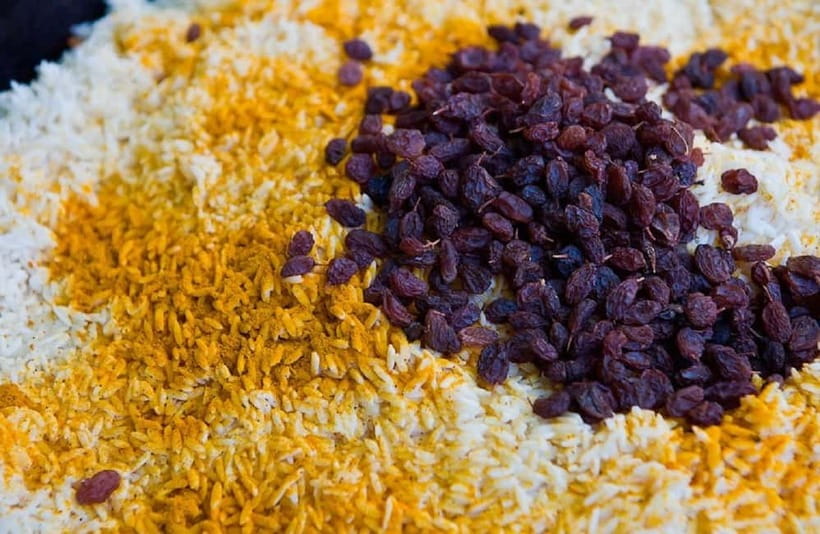
At first glance, $160 may seem steep for a three-hour cooking lesson in Tashkent. The value improves if two people share the cost, since the fee covers the whole private group rather than charging each participant separately.
You are paying for more than a meal. The package includes instruction, ingredients for plov and samsa, direct participation, and the finished food. You also receive a private home setting and a host team that guides you through the steps.
The price makes less sense if your main goal is simply to eat inexpensive Uzbek food. Restaurants will do that for far less. This activity is aimed at people who want to understand how the dishes are prepared and take part in the work.
It is also a good choice if you have limited time in Tashkent. In three hours, you learn two familiar regional dishes, eat a full meal, and meet a local host family. That is a compact way to add a food-focused experience to a city visit.
The cancellation policy gives you some flexibility: you can cancel up to 24 hours in advance for a full refund. You can also reserve and pay later, which helps if your Tashkent schedule is still changing.
Who should book this class
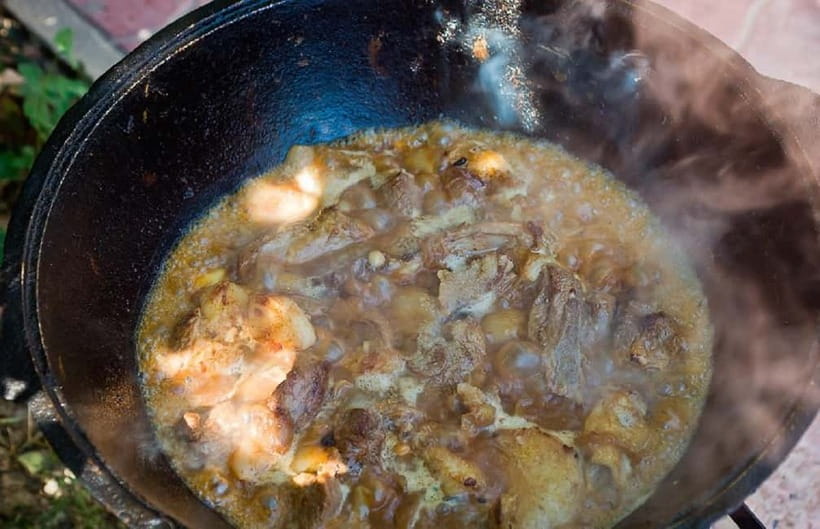
I would choose this class if you like doing rather than watching. It suits couples, friends, and solo cooks who want a private lesson and are happy to work with a host team in a home setting.
It is particularly useful for:
- People curious about Uzbek plov beyond the restaurant table
- Home cooks who want to learn the cooking sequence and ingredient preparation
- Visitors who enjoy meeting local families
- Couples who want a private activity
- Anyone looking for a three-hour food experience in Tashkent
- Vegans who can confirm a meat-free plov in advance
I would think twice if you need polished, fluent English throughout the entire class, guaranteed transport, or a fully vegetarian menu. The communication level may be basic, pickup is not included, and the standard samsa uses minced meat.
The activity is wheelchair accessible, according to the provided details. You should still confirm the exact meeting arrangements and home access after booking, since the meeting point instructions are supplied later.
Should you book the Tashkent plov and samsa class?
Book it if you want a personal, hands-on introduction to Uzbek home cooking. The strongest reasons are the private format, the chance to prepare two dishes, and the sensible use of cooking time while the plov steams.
Go in with practical expectations. This is a home-based class, not a studio kitchen show. English support is available, but the hostess may communicate at a basic level. Arrange your own transport unless pickup has been confirmed, and ask in advance about any dietary needs beyond the possible meat-free plov.
For two people who value food, local contact, and participation, the $160 group price can be fair. If you only want a cheap meal, skip the class and order plov at a restaurant. If you want to learn why the dish works and eat the result at the same table, this is a worthwhile Tashkent experience.
FAQ
Where does the cooking class take place?
The class takes place in a home in Tashkent Province, Uzbekistan. After booking, you receive instructions for finding the meeting location.
How long does the experience last?
The cooking class lasts three hours. Starting times depend on availability.
What dishes will I learn to cook?
You will learn to prepare Uzbek plov, also called palov, and samsa. The samsa is a baked triangular pastry filled with minced meat.
Is the class private?
Yes. The activity is offered as a private group for up to two people.
Are pickup and drop-off included?
No. Pickup and drop-off are not included in the stated program. Transport may be arranged separately, so confirm this before booking if you need it.
Can I request a meat-free option?
A meat-free version of the plov is possible for vegans. The standard samsa is made with minced meat, and you should ask in advance about alternatives.
Just added around Tashkent
- Tashkent Mountain Tour Amirsoy with Transport★ 3.5 · 3 reviews
- Tashkent: 3-Day Horseback Riding Tour in Chimgan Mountains★ 4.4 · 3 reviews
- Private Intercity Transfer Tashkent – Samarkand – Tashkent★ 3.5 · 3 reviews
- Samarkand: Uloq-Kopkari (Buzkashi) Game Day Tour★ 5.0 · 3 reviews
- Private Tashkent City Tour★ 5.0 · 3 reviews
- Transfer Tashkent Airport / Railway Station – Hotel★ 3.5 · 3 reviews
- Amirsoy & Chimgan mountain tour from Tashkent★ 5.0 · 3 reviews
- Heliocomplex “Institute of the Sun” – Remnants of USSR★ 5.0 · 3 reviews
Tashkent Tours, compared.
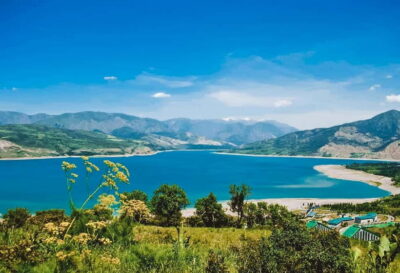
Best of Tashkent Mountains: Amirsoy, Chimgan & Charvak Trip
Read our review →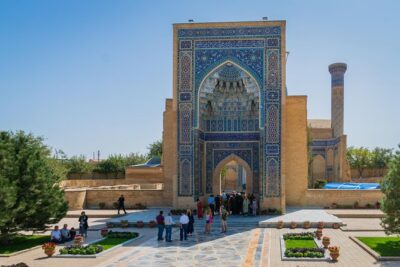
Samarkand One Day Tour – Departure From Tashkent
Read our review →Tashkent: Amirsoy Resort, Chimgan Mountain and Charvak Lake
Read our review →From Tashkent: Sightseeing Day Trip to Khujand, Tajikistan
Read our review →Explore Amirsoy, Chimgan & Charvak – A Full-Day Mountain Tour
Read our review →Tajikistan : Exclusive Seven Lakes Day Tour From Samarkand
Read our review →Explore Amirsoy, Chimgan, Charvak Adventure Tour
Read our review →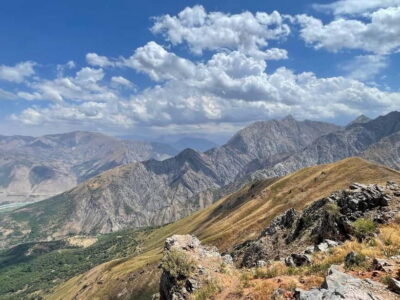
Browse the lists this tour appears in