
Reviewed · SAMARKAND TOURS
Samarkand: Uzbek Cooking Class in a Village Home
Uzbekistan’s most memorable meal may begin beside a wood-fired stove in a village home, not at a city restaurant. This five-and-a-half-hour outing takes you about an hour from Samarkand to cook plov or mantu with Bekjon, his mother, and other family members.
I like the hands-on cooking, especially the chance to work with fresh ingredients and see plov prepared in a qozon over an open fire. I also like the unforced family setting, where tea under a grapevine, farm animals, garden paths, and local conversation are part of the visit. The main consideration is that this is a meat-centered activity, so it is not suitable for vegetarians or vegans, and the rural setting may be hard for anyone with back problems.
Key points at a glance
- Open-fire plov: Help prepare Uzbekistan’s national dish in a large cast-iron qozon.
- Mantu by hand: Roll dough, add filling, shape dumplings, and steam them in a mantuvarka.
- Family welcome: Meet Bekjon’s mother and relatives in their traditional village home.
- Country life: See gardens, fields, cows, sheep, chickens, and donkeys during free time.
- Useful pickup: Transfer is included from your Samarkand hotel, train station, or airport.
- Good value: At $52 per person, the price covers transport, instruction, ingredients, tea, a village walk, and the meal.
Leaving Samarkand for a village kitchen
The outing begins with pickup in Samarkand. Bekjon handles the transfer, and the pickup can be arranged from a hotel, train station, or airport. That flexibility is useful if you are fitting this cooking class around a train arrival or a short stay in the city.
The drive to the village takes about one hour. That is a real part of the experience, not just a short transfer around the corner. You leave Samarkand’s monuments and city traffic behind for open fields, gardens, and a slower rural rhythm.
The total activity lasts about five and a half hours, with roughly three hours and forty minutes set aside for the village program. You should allow the full half-day, including the drive in both directions. This is not a quick demonstration followed by a rushed plate of food.
Bekjon’s role adds value. He provides the English guidance, explains village customs, answers questions about Uzbek life, and keeps the day moving. Several visits also included conversation about Amir Temur, local traditions, paper-making, and the countryside along the route. The focus remains food, but you get more context than you would from a standard restaurant lesson.
More cooking classes in Samarkand:
- Samarkand: Village Tour with Plov Cooking Class & Home Visit
★ 5.0 · 29 reviews - Cooking class in Samarkand with local life experience
★ 5.0 · 19 reviews - cooking traditional food in Samarkand with local people
★ 4.8 · 17 reviews
Meeting Bekjon’s family at home
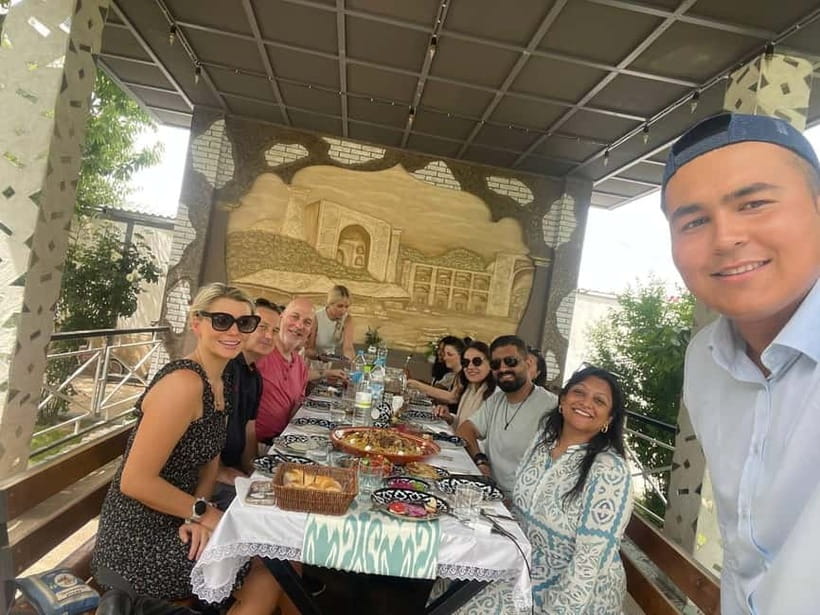
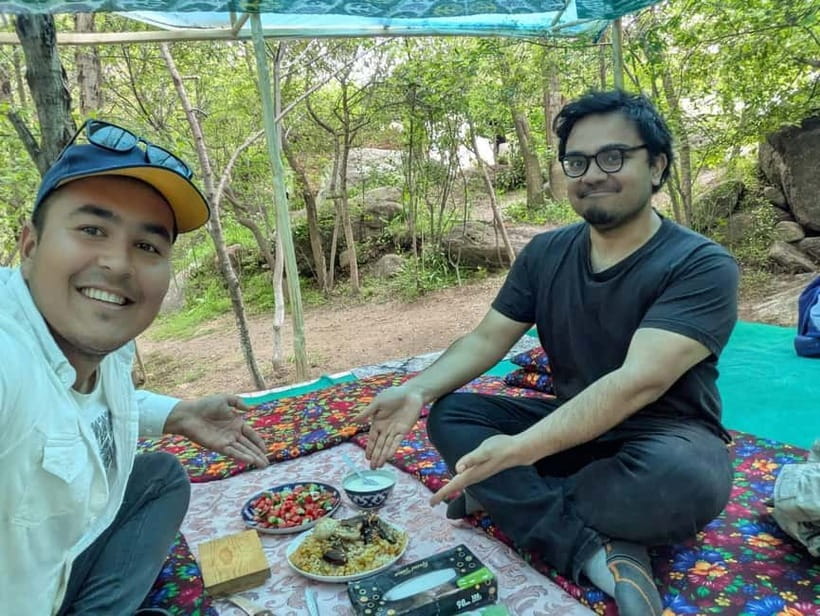
The cooking takes place at a traditional clay-brick family home. This matters because you are not simply watching a chef reproduce a dish for visitors. You are seeing how cooking fits into a household, with relatives helping, animals nearby, and food prepared in the same family setting used for everyday life and gatherings.
Bekjon’s mother is central to the experience. She demonstrates techniques, offers tips, and helps guide the cooking. His sister-in-law and a family friend named Zulfiya have also helped with classes, particularly when both plov and mantu are prepared.
The welcome is simple and personal. You may be offered tea and local snacks before or during the cooking. The pace allows time for conversation, and translation apps may help when a finer point of language gets in the way. English communication with Bekjon is generally part of the experience, but you should still expect an informal home visit rather than a polished cooking-school presentation.
You may also get a chance to try traditional wedding clothes and hear about local customs. This is not listed as a guaranteed part of every visit, so treat it as a possible extra rather than the main reason to book. The stronger draw is the time spent with the family around food.
Preparing plov over an open fire
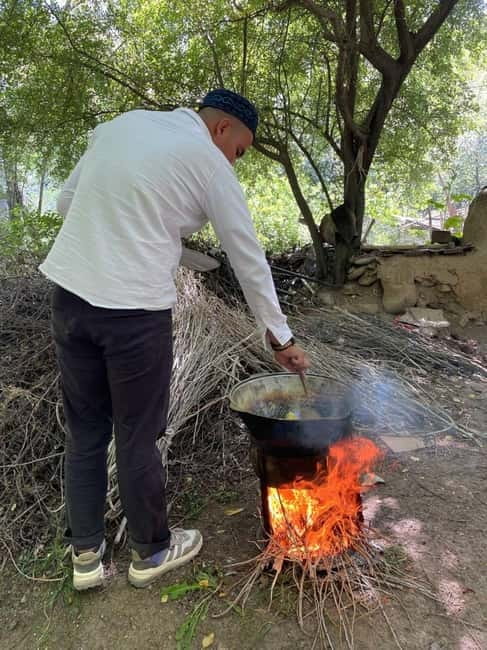
Plov is the main event. In Uzbekistan, it is more than a rice dish. It is served at celebrations, weddings, family meals, and large gatherings, and its preparation carries a strong social element.
The ingredients are straightforward: rice, carrots, onions, lamb or beef, and spices. The method is where the skill lies. Your host shows you how to select and prepare the ingredients, layer them in the qozon, and manage the cooking over a wood-fired stove.
You are expected to take part. You can help cut and prepare ingredients, stir, taste, and watch how the different stages come together. The large cast-iron pot needs patience. As the plov cooks, the aromas build slowly, which gives the class a relaxed pace.
Cooking over an open fire is also the least controlled part of the experience. Heat, smoke, and timing depend on the stove and the person tending it. That is precisely what makes it feel like village cooking, but it is less predictable than using a modern kitchen range. If you want exact measurements and a tightly scripted recipe, this may feel loose. If you want to understand the practical rhythm of Uzbek home cooking, it works well.
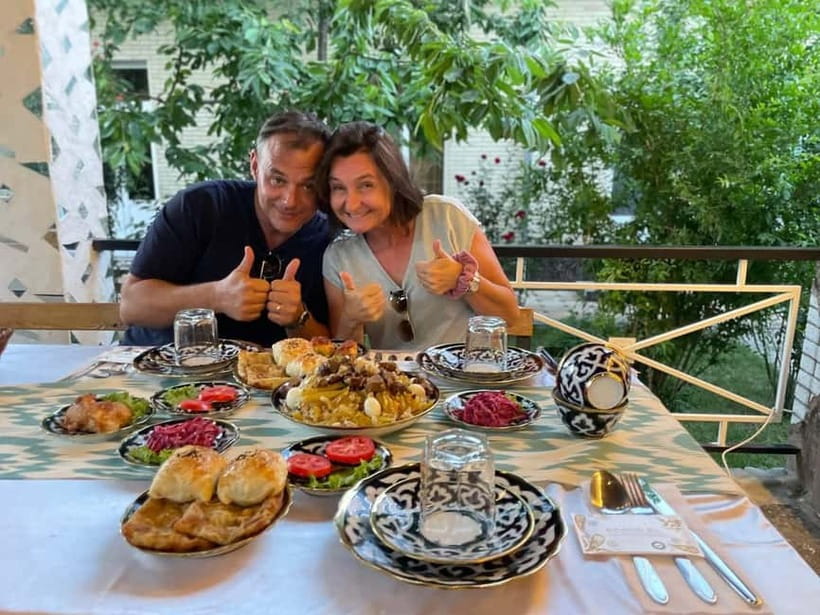
The finished portion can be generous. One person found the serving large enough to share with Bekjon’s mother, which fits the communal spirit of plov. You will eat the food you helped prepare, often together with the family. That shared plate is one of the strongest parts of the outing because it turns a lesson into a social meal.
Making mantu, Uzbekistan’s delicate dumplings
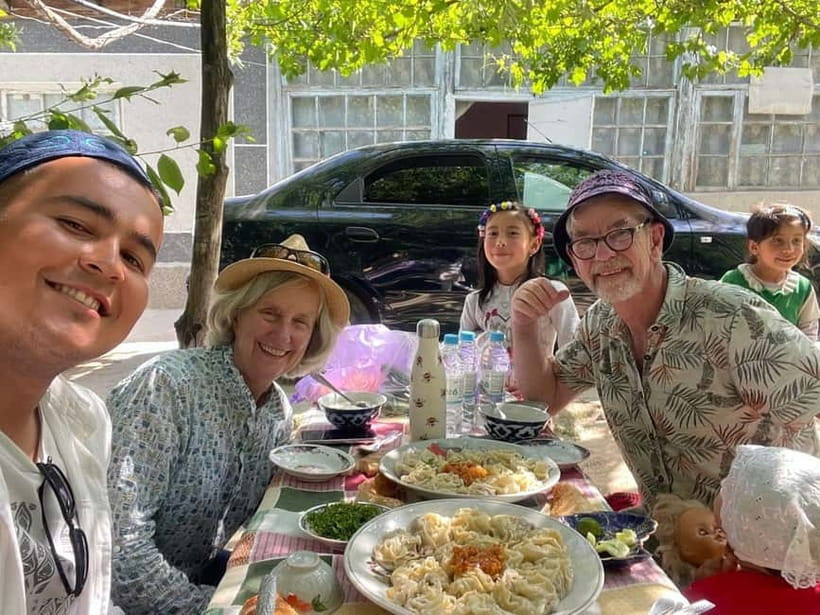
The second cooking task is mantu, steamed dumplings filled traditionally with minced meat and onions. You may learn both plov and mantu, or the class may focus on one dish, so confirm the day’s exact format when booking.
Mantu takes patience and finger work. You roll the dough thin, add the filling, and shape each dumpling by hand. Your host demonstrates the folds and helps you correct them as you go. The dumplings are then placed in a multi-level steamer called a mantuvarka.
This is a good contrast to plov. Plov is about heat, timing, and managing a large pot. Mantu is quieter and more precise. The process also offers a look at the social side of Uzbek cooking, since handmade dumplings are often prepared by several people for holidays and family gatherings.
The meat filling is part of the traditional recipe, but pumpkin or potato mantu can be offered for vegetarian diners. You should not assume that this makes the entire activity suitable for vegetarians. The stated conditions identify the class as meat-centered and not suitable for vegetarians or vegans, so ask before booking if dietary needs are important.
A few more Samarkand days to weigh up
- Private Samarkand Cooking Class with Market Tour & Transfers
★ 5.0 · 14 reviews - Cooking Class in the Village with Local Family in Samarkand
★ 5.0 · 11 reviews - Plov Cooking Class at Local Uzbek House
★ 5.0 · 5 reviews - Samarkand Local Family Cooking Class and Siyob Bazaar Tour
★ 5.0 · 5 reviews
Tea, animals, and a slower village afternoon
While the food cooks, you are not left sitting at a table. You can explore the garden, look at vegetable patches and fruit trees, feed animals, or rest with green tea beneath a grapevine.
The animals are part of daily village life rather than a staged farm display. Cows, sheep, chickens, and donkeys may be around the home. That makes the setting enjoyable for anyone curious about rural Uzbekistan, but it is a poor match if you have animal allergies or dislike being near livestock.
The garden time also gives the experience breathing room. After working around the stove or shaping dough, you can pause and watch how the household functions. This is where the outing becomes more than a cooking lesson. You get a small view of rural routines, food production, family roles, and hospitality.
Bring sunscreen and comfortable clothes. The cooking area may be outdoors, and the village portion includes walking and time around animals. A camera is useful, but keep it secondary to taking part. Ask before photographing family members, especially during informal moments.
What the $52 price really covers
At $52 per person, the price is fair if you value access to local life as much as the food itself. The fee includes the cooking masterclass, ingredients, the village tour, tea under the grapevine, and hotel-to-village-to-hotel transport.
Transport is a meaningful part of the value. A private or arranged ride to a village an hour away would otherwise take planning, and you would have to find the home and coordinate the return trip yourself. Here, Bekjon collects you and brings you back to Samarkand.
The ingredients and meal also matter. You are not paying only to watch a demonstration. You help prepare the food and then eat it. The family setting gives the meal a personal quality that a city cooking school may not provide.
The price is less attractive if you want a formal class with printed recipes, professional kitchen equipment, or a broad menu. Personal expenses are not included, and the activity does not promise a market tour, extra sightseeing, or a full historical tour of Samarkand. Some visits have included a local market stop and extra cultural explanations, but these should be treated as possible additions rather than fixed features.
Timing, comfort, and practical limits
The one-hour journey each way makes this a half-day commitment. Schedule it on a day when you can spare the time, rather than trying to squeeze it between a tightly timed monument visit and a train departure.
The class is not designed for every body or every diet. The stated restrictions include people with back problems, recent surgeries, diabetes, animal allergies, food allergies, and babies under one year. It is also not suitable for people over 95, according to the activity information.
Some of these limits are easy to understand in context. Cooking may involve standing, bending, working near an outdoor stove, and handling food ingredients. The presence of livestock matters if you have animal allergies. Anyone with a medical condition should take the listed restrictions seriously and ask the provider for clarification before reserving.
Fireworks are not allowed. That seems obvious, but the cooking itself uses an open fire, so sensible clothing and attention around the stove are important. Wear something comfortable that you do not mind wearing in a rural kitchen.
Cancellation is flexible up to 24 hours before the activity for a full refund, and you can reserve without paying immediately. Starting times depend on availability. These policies help if your Samarkand schedule is still changing, but you still need to allow the full five and a half hours.
Who will enjoy this most
I would choose this experience if you want food to open a door into local culture. It suits you if you enjoy asking questions, working with your hands, eating with a family, and accepting a slower pace.
It is particularly good for:
- Couples or small groups who want a personal half-day outside Samarkand
- Curious cooks who want to learn plov from someone who makes it at home
- First-time visitors who want a rural counterpoint to Samarkand’s grand architecture
- Families with older children who can manage the outdoor cooking and village setting
- Anyone interested in Uzbek customs, food traditions, and household life
It is less suitable if you only want a quick food tasting, need a tightly controlled menu, or cannot stand for periods of time. It is also not the right choice for vegans, and vegetarian visitors should confirm the menu before booking rather than rely on the pumpkin or potato option.
The English guiding is a plus. Bekjon explains the cooking and broader cultural details, and communication has also worked with translation apps when needed. Still, the experience is built around conversation, gestures, and shared work, not a formal lecture.
How this compares with a city cooking class
A city-based class may be easier to reach and more predictable. You might work in a purpose-built kitchen with clear workstations, set recipes, and a wider choice of dishes.
This village class gives you something different. You see the qozon and wood fire, meet the cook’s family, notice the garden and animals, and eat in the place where the food has meaning. The tradeoff is comfort and structure. The setting is more basic, the drive is longer, and the day can vary depending on which dish is being prepared.
For me, the village setting is the reason to choose it. Samarkand already gives you monumental architecture and urban history. This outing adds the domestic side of Uzbekistan, where food is prepared slowly and shared generously.
Should you book the Samarkand village cooking class?
Book it if you want an authentic home-based food experience rather than a restaurant demonstration. Bekjon’s careful pickup coordination, his family’s welcome, the open-fire plov, and the chance to make mantu create a strong connection between cooking and everyday life.
Before reserving, confirm whether your date includes plov, mantu, or both, and explain any dietary or medical concerns. If you are comfortable around meat, animals, outdoor cooking, and a long half-day, the $52 fee buys more than lunch. It buys a practical lesson, a countryside outing, and time at an Uzbek family table.
FAQ
How long does the cooking class last?
The full activity lasts 5.5 hours, including transfer between Samarkand and the village. The village cooking program is listed as about 3.67 hours.
How far is the village from Samarkand?
The village is about one hour from Samarkand. Transfer to and from the village is included.
Who leads the experience?
Bekjon provides the pickup and English guidance. His mother and other family members help demonstrate the cooking and host the meal.
Will I make plov or mantu?
The experience offers plov or mantu. Some visits include both, but you should confirm the exact cooking plan for your date.
Is the activity suitable for vegetarians or vegans?
The activity involves cooking with meat and is listed as unsuitable for vegetarians and vegans. Pumpkin or potato mantu may be available, so ask before booking if you do not eat meat.
What is included in the $52 price?
The price includes the cooking class, ingredients, guided village tour, tea under a grapevine, and transfer between your Samarkand pickup point and the village. Personal expenses are not included.
Just added around Samarkand
- Bird Watching Tours in Samarkand★ 3.6 · 3 reviews
- Seven Lakes Panjakent: One-Day Adventure from Samarkand★ 5.0 · 3 reviews
- Ancient and Modern tour in Samarkand with Transport★ 5.0 · 3 reviews
- From Samarkand: 2-Day Yurt Camp Adventure with Camel Ride★ 4.7 · 3 reviews
- Samarkand: city tour★ 4.7 · 3 reviews
- Samarkand: Cooking class with local family★ 5.0 · 3 reviews
- Explore Samarkand Guided Tour with Transfers★ 5.0 · 3 reviews
- Amankutan Trek One Day Tour From Samarkand★ 3.9 · 3 reviews
Samarkand Tours, compared.
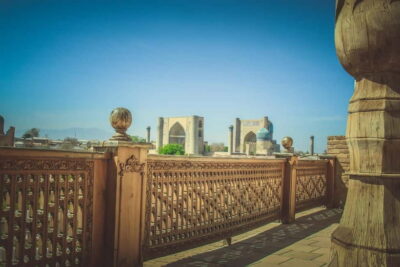
Samarkand: Historical Monuments Guided Walking Tour
Read our review →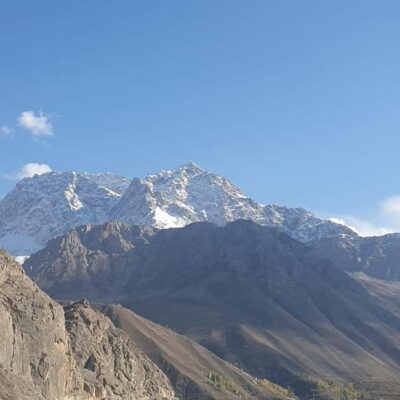
Small group: Tajikistan Seven Lakes Day trip from Samarkand
Read our review →Samarkand: Historical City Highlights Guided Walking Tour
Read our review →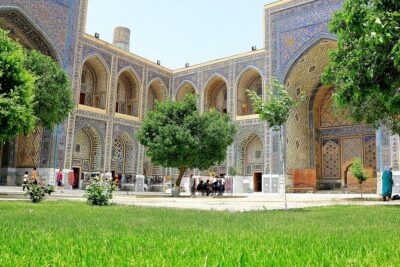
Private Samarkand City Tour With Transportation
Read our review →
A City Tour Of Samarkand: The Pearl Of The East
Read our review →Seven Beauties of Shing -Seven Lakes Day Trip From Samarkand
Read our review →
Full Day Private Tour in Seven Lakes from Samarkand
Read our review →
Samarkand One Day Tour: one day walking & group tour
Read our review →Browse the lists this tour appears in