
Reviewed · TASHKENT TOURS
Heliocomplex “Institute of the Sun” – Remnants of USSR
The huge Sun Heliocomplex outside Tashkent was built during the Cold War as a serious research facility, not as a tourist attraction. Its giant reflector and industrial scale give you a rare look at Soviet-era science, including work connected with materials for spacecraft. Afterward, you trade concrete and metal for pine forest, streams, and a spring near Sukok.
I like the strong contrast between the two stops and the private format, which lets you ask questions instead of following a large group. I also like the guide quality: Sadoqat speaks excellent English, and Mark has provided explanations in Japanese. The main drawback is that the heliocomplex entrance fee is not included, and the 5-kilometer forest walk may feel long in hot weather.
Key points to know before booking
- Cold War science in giant form: See one of only two facilities of this type built during that era, with the other in France.
- A private day out: Only your group participates, with an air-conditioned vehicle and a professional escort guide.
- Two very different settings: Pair Soviet research architecture with pine forest, streams, and a spring.
- A 5-kilometer walk: The route is described as light level, but it is still a round trip through the forest.
- Good guide options: Sadoqat speaks excellent English, and Mark has offered Japanese explanations.
- Budget for the extra fee: The heliocomplex admission is not part of the $104 price, and lunch is also not included.
Why this Tashkent day trip is unusual
Many excursions from Tashkent head toward famous monuments, markets, or mountain scenery. This one takes a more curious turn. You leave the city for Parkent and visit the Sun Heliocomplex, a Cold War research complex built on a scale that is hard to grasp from photographs.
The important point is not just that the facility is old or Soviet. It shows how much technical ambition went into scientific work during that period. The complex was once secret and tightly guarded. Today, a researcher from the institute can explain how it functioned, giving the visit more substance than a quick stop beside an unusual building.
Then the mood changes completely. About 40 kilometers from Tashkent, the drive takes roughly an hour in each direction. After the institute, you continue to Sukok, a forest area protected by the government. The walk leads through pine trees and along water sources to a spring, with time for a picnic or lunch nearby.
I see this as a good choice if you want one day that mixes history, engineering, local life, and nature. It is less suitable if you want a relaxed city outing with very little walking.
A few more Tashkent days to weigh up
- Best of Tashkent Mountains: Amirsoy, Chimgan & Charvak Trip
★ 4.8 · 567 reviews - Samarkand One Day Tour – Departure From Tashkent
★ 5.0 · 313 reviews - Samarkand One-Day Tour Departure from Tashkent
★ 4.7 · 171 reviews
Leaving Tashkent at 8:00
The day begins with an 08:00 departure from Tashkent. The early start matters because the program includes both the heliocomplex and a forest walk, with the full outing lasting about five to seven hours.
Your transport is an air-conditioned vehicle, and the tour is private. That gives you more control than a standard coach trip. You can ask the guide to explain technical details, pause for photographs where appropriate, or spend more time discussing Uzbekistan beyond the formal schedule.
The drive to the heliocomplex is listed as about 40 kilometers and approximately one hour. Exact road conditions and traffic can affect the timing, but the route is short enough to make the institute practical as a half-day excursion rather than a remote expedition.
Bring water, comfortable shoes, and protection from the sun. The information describes the forest route as light level, but the walk covers 5 kilometers round trip. That is manageable for most people who are comfortable walking on a natural trail, yet it is not simply a stroll from the vehicle to a viewpoint.
Inside the Sun Heliocomplex
The heliocomplex is the main reason to book this particular outing. Only two structures of this type were built during the Cold War, one in France and one near Tashkent. That alone gives the place unusual importance for anyone interested in engineering, Soviet science, or the story of space research.
The scale is the first thing likely to catch your attention. One visitor described being surprised by how enormous the facility is. That reaction makes sense: the complex was designed for serious industrial and scientific work, so its size feels out of proportion to a normal museum or research building.
A researcher from the institute explains the functions of the facility. This is valuable because the machinery and structures may not be self-explanatory. Without context, you could see only a massive Soviet installation. With an explanation, you can better understand why the complex was built and what it was meant to do.
One particularly interesting detail concerns materials for spacecraft. The facility had a role in producing or working with materials connected to space vehicles, a fact that may not be obvious from the site itself. The visit therefore gives you a look at a side of the Soviet space program that is less familiar than rockets and cosmonauts.
The site was once highly secret and strictly protected. That past adds a sense of occasion, but keep your expectations realistic. This is not described as a polished museum with a large exhibition program. It is a working institutional site with historical importance, and the quality of the visit depends partly on the explanation provided by the researcher and guide.
The entrance fee is not included in the $104 tour price. You should confirm the current admission cost when booking so the final budget does not come as a surprise. The tour does include the guide, vehicle, botanical garden entrance, and taxes, but the heliocomplex admission is specifically excluded.
What the guide adds to the visit
A good guide matters more here than on a simple scenic drive. The heliocomplex needs interpretation, and the forest walk benefits from someone who can connect the stops into a coherent day.
Sadoqat is a strong choice for English speakers. She speaks excellent English and can explain both the site and everyday life in Uzbekistan. That second part is worth noting. A conversation during the drive or hike can turn the day from a technical visit into a broader introduction to the country.
Mark has also provided explanations in Japanese. If you need Japanese-language assistance, ask about guide availability before confirming the booking. The information does not promise that a Japanese-speaking guide is available on every departure, so this should be arranged rather than assumed.
Because the activity is private, you are not sharing the vehicle with a larger group. That makes it easier to ask basic questions, spend time on subjects that interest you, and avoid the rushed feeling that can come with a fixed group schedule. It also means the experience may depend more directly on the guide assigned to your date.
Same city, a completely different day out:
- Tashkent: Amirsoy Resort, Chimgan Mountain and Charvak Lake
★ 4.8 · 170 reviews - From Tashkent: Sightseeing Day Trip to Khujand, Tajikistan
★ 4.7 · 169 reviews - Explore Amirsoy, Chimgan & Charvak – A Full-Day Mountain Tour
★ 5.0 · 158 reviews - Tashkent City Tour
★ 5.0 · 121 reviews
Sukok village and the local meal stop
After the institute, the route continues to Sukok village. The village is a popular rest area for people from the capital, and local restaurants are known for kebabs.
Lunch is not included, so you pay for your own meal. This is a useful part of the day if you want to eat in a place used by local residents rather than return to Tashkent for a standard restaurant meal. At the same time, the restaurant stop is not a formal tasting tour. The details provided focus on kebabs, not on a set menu or included meal.
Plan your budget accordingly. The tour price is $104, but your total cost includes the heliocomplex entrance and personal spending, with lunch listed separately. Group discounts are offered, which may improve the value if you are traveling with several people.
The timing at Sukok is somewhat brief in the formal schedule, with about an hour listed for the stop. The actual pace can depend on the day and the group. If the village meal is important to you, ask the operator how much time is normally allowed for lunch before you book.
Walking through protected Sukok Forest
The forest section gives the day a welcome change of pace. Sukok is described as a protected botanical area with pine forest and several water sources. It is also called the Russian forest in Uzbekistan, a name that hints at its different character from the dry city surroundings.
The route starts in the forest and continues to a spring. The total distance is about 5 kilometers round trip, with the walk described as light level. After lunch, you return along the bank of a stream.
That combination gives you several textures in one short hike: trees, water, a spring, and the sound of the stream on the return. A forest walk can also make the technical stop easier to appreciate. You have spent the morning around a giant research installation, then move into a quiet natural setting where the air feels cooler and the pace is slower.
The forest is not simply a photo stop. You should allow enough time for walking, and wear footwear suitable for an unpaved route. The description does not give details about trail surfaces, elevation, or restroom facilities, so do not treat it like a fully developed urban park.
The walk may be especially appealing during warmer months because the forest offers shade and cooler air. Still, the climate can vary, and you should bring water. The route is light rather than strenuous, but 5 kilometers can feel tiring after a full morning of driving and sightseeing.
How the $104 price measures up
At $104, this is not the cheapest way to spend a day outside Tashkent. The value comes from combining private transport, a professional escort guide, the institute visit, and a protected forest walk in one package.
You are paying for convenience as much as admission. The vehicle takes you from Tashkent to the heliocomplex and then to Sukok, without requiring you to arrange separate transport between stops. The air conditioning matters during warm weather, particularly after walking outdoors.
The private format also changes the calculation. A solo visitor may find the cost harder to justify, while a couple or small group can spread the expense. Group discounts are available, so ask for the current rate if several people are booking together.
Remember the exclusions. The heliocomplex entrance fee, lunch, personal expenses, and professional photo or video are not included. The botanical garden entrance, vehicle, guide, and taxes are included.
For me, the price makes the most sense for someone who values access and interpretation. If you only want a forest walk, you can likely find a simpler outing. If you only want Soviet architecture, a shorter visit might be enough. This tour earns its price by linking two very different experiences and handling the transport between them.
Who should book this experience
I would recommend it to visitors who like unusual places, science, recent history, and local settings that do not fit the usual city sightseeing plan. The heliocomplex is particularly appealing if you have an interest in the Soviet space program or industrial design.
It also suits you if you prefer a private day with room for conversation. Sadoqat’s English and the option of Japanese explanations from Mark can make a real difference when the main site needs technical context.
The tour is also a good fit for couples, families with older children, and small groups who can manage a 5-kilometer walk. Most people can participate, according to the activity information, but you should still consider your own comfort with walking on a natural route.
I would think twice if you dislike industrial sites, have little interest in Cold War history, or want a full restaurant meal and polished attractions. The institute is the core of the day, and the forest does not turn the outing into a luxury nature tour.
Practical details that affect your decision
Confirmation is provided when you book, and pickup is offered. Since this is a private activity, check the pickup details and ask about the entrance fee before departure.
The start time is 08:00, and the total duration is approximately five to seven hours. That leaves part of the day free for Tashkent sightseeing, although traffic and the pace of your group can affect your return time.
Free cancellation is available if you cancel at least 24 hours before the local start time. Changes or cancellations inside that window are not accepted for a refund. Keep that deadline in mind if your Tashkent plans are still shifting.
A mobile ticket is available, which is convenient when you are managing several bookings from your phone. The main practical issue is not the ticket. It is making sure you have comfortable walking shoes, water, and enough money for the extra admission and lunch.
Should you book the Sun Heliocomplex and Sukok Forest tour?
Book it if you want a day that feels different from standard Tashkent sightseeing. The Sun Heliocomplex gives you access to a rare Cold War research site, while Sukok provides pine forest, springs, and a stream-side walk. The combination is the tour’s real strength.
The best reasons to go are the facility’s scale, the researcher’s explanation, the private vehicle, and the chance to talk with a strong English-speaking guide such as Sadoqat. Mark’s Japanese explanations may also be useful, but confirm availability in advance.
Skip it if you want the lowest-cost excursion, dislike walking, or prefer a polished museum experience. Also add the heliocomplex admission and lunch to your budget.
For curious visitors with half a day to spare, this is a worthwhile and unusual trip from Tashkent. It gives you a look at Uzbekistan’s Soviet scientific past, then lets you finish among trees and running water.
FAQ
Where does the tour begin?
The tour departs from Tashkent at 08:00, with pickup offered.
How long does the experience last?
The tour lasts approximately five to seven hours.
How far is the heliocomplex from Tashkent?
The route from Tashkent to the heliocomplex is about 40 kilometers and takes approximately one hour.
Is the Sun Heliocomplex entrance included?
No. Entrance to the heliocomplex is not included in the tour price.
Is lunch included?
No. Lunch and other personal expenses are not included. Sukok has local restaurants known for kebabs.
How long is the forest walk?
The walk to the spring and back is approximately 5 kilometers in total and is described as light level.
Is this a private tour?
Yes. Only your group participates, with a professional escort guide and an air-conditioned vehicle.
Just added around Tashkent
- Tashkent Mountain Tour Amirsoy with Transport★ 3.5 · 3 reviews
- Tashkent: 3-Day Horseback Riding Tour in Chimgan Mountains★ 4.4 · 3 reviews
- Private Intercity Transfer Tashkent – Samarkand – Tashkent★ 3.5 · 3 reviews
- Samarkand: Uloq-Kopkari (Buzkashi) Game Day Tour★ 5.0 · 3 reviews
- Private Tashkent City Tour★ 5.0 · 3 reviews
- Transfer Tashkent Airport / Railway Station – Hotel★ 3.5 · 3 reviews
- Half-day excursion around Tashkent★ 5.0 · 3 reviews
- Amirsoy & Chimgan mountain tour from Tashkent★ 5.0 · 3 reviews
Tashkent Tours, compared.
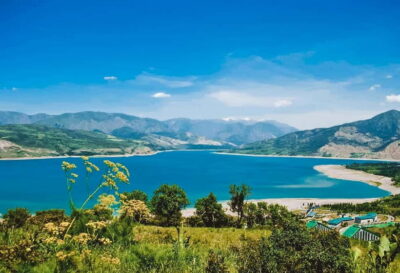
Best of Tashkent Mountains: Amirsoy, Chimgan & Charvak Trip
Read our review →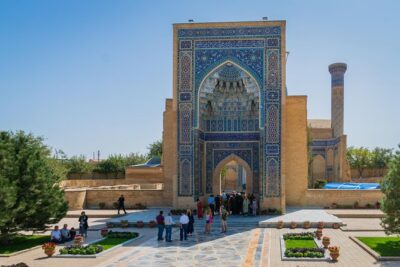
Samarkand One Day Tour – Departure From Tashkent
Read our review →Tashkent: Amirsoy Resort, Chimgan Mountain and Charvak Lake
Read our review →From Tashkent: Sightseeing Day Trip to Khujand, Tajikistan
Read our review →Explore Amirsoy, Chimgan & Charvak – A Full-Day Mountain Tour
Read our review →Tajikistan : Exclusive Seven Lakes Day Tour From Samarkand
Read our review →Explore Amirsoy, Chimgan, Charvak Adventure Tour
Read our review →
Browse the lists this tour appears in