
Reviewed · YURT CAMP STAYS
Life As Nomads – Yurt Camp Tour with Night from Samarkand
The best part of this two-day trip is the night beside Aydarkul Lake, where a simple yurt, a campfire, local songs, and a sky full of stars replace city noise. I like the chance to combine a Red Desert setting with a real overnight stay, and I like that the route links Samarkand with Bukhara instead of sending you back to your starting point.
The main caution is the long drive and uneven guiding. Some drivers, including Ali and Housseini, have been praised for kindness and useful conversation, while other bookings had a driver with little or no English. Confirm the language and daily timing before you set off, and remember that camel riding may require a tip.
Key points
- Aydarkul Lake stop: Swim when weather and season allow, then wash away the lake’s salt and mud at the camp shower.
- Night in a yurt: Sleep in a traditional round tent with dinner, a campfire, folk songs, and dancing.
- Red Desert scenery: Walk the dunes in the morning and watch the sunset from the camp.
- Historic Nurota: See the old citadel ruins, two sixteenth-century mosques, and a fish-filled pond.
- Road to Bukhara: Stop at Sarmish petroglyphs and a fourteenth-century caravanserai at Navai.
- Private transport: An air-conditioned vehicle and pickup from your hotel, station, or airport are included.
A long road from Samarkand to the Red Desert
This is not a quick outing. The first drive from Samarkand to the camp covers about 250 kilometers and takes roughly four to five hours, including planned stops. The following day adds another 270 kilometers toward Bukhara, with an approximate arrival around 18:00 in the stated schedule.
That road time is the price of reaching Aydarkul Lake and making the trip useful as a transfer between major Uzbek cities. You are not simply spending two days at a camp and returning to Samarkand. You can be picked up at a hotel, railway station, or airport in Samarkand, then dropped at a Bukhara hotel, station, or airport.
The private format is a plus. You are not tied to a large coach group, and a good driver can adjust a stop or explain what you are seeing. The catch is that the driver may also serve as your guide. English ability is not consistent, despite English being offered as a tour language. Russian is also available.
Before departure, ask who your driver will be and how well they speak English. Ali has been described as punctual, friendly, and able to explain Uzbek religion and traditions despite a language barrier. Housseini has also been praised for making the long drive more pleasant, with extra roadside stops to see breadmaking and cotton. Those details can turn a hard transfer into a more human day.
More yurt camp nights in the Kyzylkum:
- From Bukhara: 2-Day Desert Yurt Camp Tour
★ 4.5 · 57 reviews - Yurt stay and Hiking in the Nurata Mountains tour – 2 days
★ 5.0 · 35 reviews - Yurt Camp Tour with Night from Bukhara
★ 3.8 · 35 reviews
Nurota’s citadel, mosques, and sacred fish pond
The first major stop is Nurota, a useful break after leaving Samarkand. The town’s central complex includes ruins of an ancient citadel traditionally linked with Alexander the Great. The remains are not a complete fortress waiting for a dramatic movie scene, but they give the stop a sense of age and place.
You will also see two mosques dating from the sixteenth century. The visit is modest in scale, yet it helps connect the desert route with Uzbekistan’s Islamic architecture and older settlement history.
At the center is a pond filled with fish. Fishing is forbidden, so this is a look-and-pause stop rather than an activity. It is worth knowing that entrance tickets to monuments are not included in the $215 price, so carry some local cash for site fees and small personal expenses.
This stop matters partly because of the journey itself. Four or five hours in a vehicle without a clear break can feel long. Nurota gives you a chance to stretch your legs, see an important local site, and begin to understand that the route is more than a straight ride to a camp.
Lunch and swimming beside Aydarkul Lake
Aydarkul Lake is the visual center of the first day. The plan calls for lunch beside the water, with swimming if conditions allow. The lake is considered safe for swimming, but the water contains about 1.5 to 2 percent salt and can leave mud and residue on your skin.
Pack a swimsuit if you want to swim, but also bring a towel or be ready to use the camp’s fresh shower afterward. That shower is a small but important comfort. You can enjoy the water without spending the rest of the day coated in lake salt.
Season matters here. In cooler weather, swimming may not be practical, and the lake stop can become several hours of sitting, walking, and taking in the view. The camp operator may also move lunch from the shore to the yurt camp. That means you should not book this trip only for a guaranteed beach-style afternoon.
This is one place where clear communication helps. Ask your driver how long you will stay and where lunch will be served. A well-managed stop can be peaceful and memorable. A poorly explained one can leave you wondering what to do for hours.
Bring sun protection. The supplied advice is sound: wear sunglasses, a hat, sunscreen, and comfortable clothing. The open shore offers little reason to leave your sun hat in the vehicle.
Camels, sunset, and the yurt camp
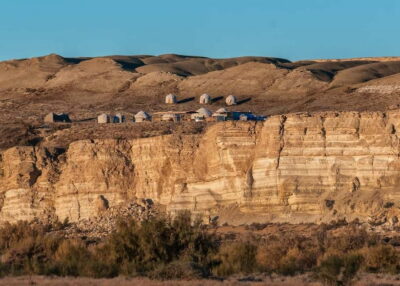
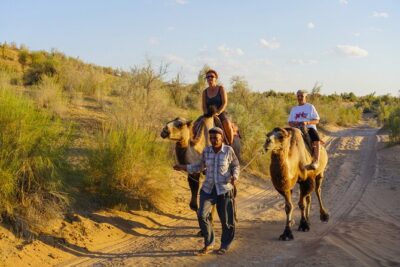
After the lake, you continue to the yurt camp. While dinner is being prepared, you can ride a camel, walk around the camp, or watch the sun go down over the Red Desert.
The camel ride is a short activity in some accounts, and timing can be unclear. One booking had a long wait followed by a ride of only about five minutes, partly because the group arrived after dark. Ask when the ride begins and whether it is included in the quoted price. Tips are welcomed, and extra charges may apply depending on the arrangement.
That does not make the camel ride worthless. It is a classic desert moment, and the setting gives it more character than a brief ride in a city park. Just keep your expectations sensible. This is an introduction to camel riding, not a long expedition across the dunes.
The sunset is likely to be the stronger memory. The camp’s appeal comes from quiet space, warm evening light, and the change in pace after a full day on the road. A few hours of doing very little can be exactly what you need after visiting Samarkand’s busy monuments.
A few more Uzbekistan days to weigh up
- Tashkent : Classic City Tour. (Day & Night Shift)
★ 4.8 · 52 reviews - Fergana – Golden Valley From Tashkent 1 night / 2 days
★ 4.5 · 41 reviews - From Khiva To Aral Sea 2-Days One Night In Yurt Stay
★ 4.6 · 20 reviews - Sunset walking tour of Samarkand
★ 4.9 · 16 reviews
Dinner, folk songs, and a night under the Milky Way
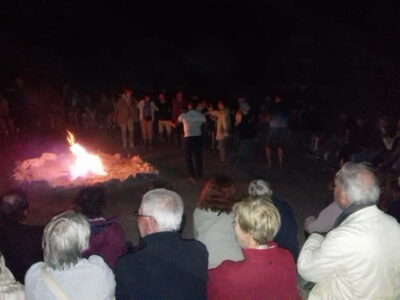
Dinner is served at the camp, followed by time around a fire with local nomad songs and dancing. The mood depends on the evening’s performers and the size of the group, but the setting is designed for shared time rather than formal entertainment.
Food in the area commonly includes beef or lamb, rice, wheat or sorghum dough, and vegetables. Tell the operator in advance if you need vegetarian food or have other dietary preferences. Do not wait until the dinner table, especially in a remote camp.
The real show begins after the fire goes quiet. On a clear night, the lack of city light can reveal the Milky Way. Clouds, moonlight, and weather will decide how much you see, but the camp’s distance from urban light gives you a fair chance at a memorable sky.
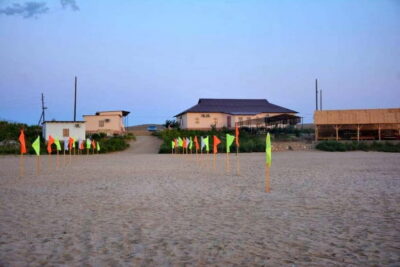
The yurt itself is the central feature, not a luxury hotel room. Bedding is provided, and clean sheets have been specifically praised. Electricity is available at the camp for charging devices, though one account reported no power or internet. Bring a charged power bank, and treat electrical outlets as helpful rather than guaranteed.
You should also pack for temperature changes. Early spring and late autumn can require a warm jacket. Desert days can feel bright and warm, while nights may turn cool. Comfortable shoes or sport shoes, long trousers, and a hat are more useful than fashionable clothing here.
A quiet morning on the dunes
Day two begins with breakfast and free time. This is not packed with scheduled entertainment, and that is either the charm or the weakness of the program.
You can walk on the dunes, take photographs, look around the camp, and enjoy the morning air before the long drive to Bukhara. If you want a slow desert morning, the open time works well. If you need a full schedule of guided activities, you may find it thin for the price.
The camp is intended as a place to rest from city movement. You are given room to set your own pace, but the service level may not include detailed explanations at every turn. Ask the driver the night before about breakfast time, departure time, and the order of the next stops.
This is also a good time to charge your phone, pack water for the road, and check that you have not left anything in the yurt. Drinks and food are not allowed in the vehicle, so follow that rule and plan your personal snacks around the transport arrangements.
Sarmish petroglyphs and the Navai caravanserai
The road to Bukhara includes a stop at Sarmish, where animal images are carved into rock on a small hill. The petroglyphs show the older human presence in this part of Uzbekistan and offer a change from the lake and dunes.
The visit is not described as a long hike, but sturdy footwear is still a wise choice. Protective hiking boots or sport shoes will help on uneven ground. Long trousers are also practical in a dry, exposed setting.
At Navai, the route pauses at a fourteenth-century caravanserai and a nearby underground water reserve. The reservoir collected rain and melting snow, an important reminder of how people and animals survived along old routes through dry country.
This stop gives the transfer to Bukhara some historical weight. You are following a route shaped by water, trade, and movement across Central Asia. It also breaks up the final drive, which can otherwise feel like one long run after the quiet morning at camp.
The stated arrival time in Bukhara is around 18:00, but actual timing can vary. One account described arriving much earlier, around 13:00, while another reported that the scheduled stops were completed. Keep your evening plans flexible, particularly if you have a train, flight, or timed hotel arrangement.
What $215 buys you
At $215 per person, this is not a bargain transport service. The price includes a private air-conditioned vehicle, one night in a yurt, one lunch, one dinner, one breakfast, camel riding, fees and taxes, and the listed route from Samarkand toward Bukhara.
The value is strongest if you want three things in one booking: an overnight desert setting, a transfer between cities, and a taste of nomadic camp life. Booking separate transport, accommodation, meals, and a desert visit could be less convenient, even if the total price were similar.
The value is weaker if you are mainly paying for a polished English-guided tour. The quality of communication can depend heavily on the assigned driver. Some departures have included every planned stop and useful extra explanations. Others have had little explanation, missed timing, or confusion about activities.
Entrance fees are extra, as are alcoholic drinks and personal expenses. Camel riding should be clarified before departure, since tips are welcomed and some arrangements may involve an additional charge. Ask for a written breakdown if this activity is important to you.
A private group also affects the calculation. You pay more than you might for a basic shared transfer, but you gain privacy and potentially more flexibility. That premium is worthwhile when the driver is engaged and the schedule runs properly. It is harder to justify if you are left waiting without information.
Who will enjoy this desert overnight
I would recommend this for you if you like open spaces, simple accommodation, long scenic drives, and unusual overnight stops. It suits someone who sees a yurt, a campfire, and a starry sky as the point of the trip, not as a substitute for a hotel.
It also works well as a Samarkand to Bukhara connection. Instead of losing a full travel day inside a vehicle, you stop at Nurota, sleep beside Aydarkul Lake, visit Sarmish and Navai, and reach Bukhara the next day.
You should think twice if you need reliable English guiding, firm hourly planning, or a long list of activities. The camp gives you free time, but free time in a remote desert can mean walking, sitting, swimming in suitable weather, and waiting for dinner.
This is also not ideal for anyone who dislikes basic facilities. Electricity is reported at the camp, but internet may not be available, and comfort is simple. Bring layers, a power bank, sun protection, and practical shoes.
Cancellation is flexible up to 24 hours before departure for a full refund, and you can reserve now and pay later. Pickup is included, but wait in your hotel lobby five minutes before the scheduled time.
Should you book the Aydarkul yurt night?
Book it if the night sky, desert silence, and lake setting matter more to you than a tightly packed sightseeing program. The strongest parts are the camp atmosphere, sunset, clean bedding, fire and music, the dunes, and the chance to connect Samarkand with Bukhara in one private trip.
Before paying, confirm four details: the driver’s English level, the exact lake and lunch plan, the camel ride cost and timing, and the expected Bukhara arrival time. Those questions address the biggest differences between a smooth outing and a frustrating one.
If the operator confirms a capable driver and you are comfortable with a basic yurt, I think the trip offers a memorable slice of Uzbekistan beyond its famous cities. If your priority is polished guiding and guaranteed swimming, spend more time comparing alternatives. The desert itself is worth seeing, but the organization makes a large difference.
FAQ
How long does the tour last?
The program lasts two days. The first drive from Samarkand to the yurt camp takes about four to five hours with stops, and the next drive to Bukhara takes about four to five hours.
Where does pickup take place?
Pickup is available from your hotel, railway station, or airport in Samarkand. You should wait in the hotel lobby five minutes before the scheduled pickup time.
Where does the tour finish?
The stated destination is Bukhara, with drop-off at a hotel, airport, or railway station.
Is swimming possible at Aydarkul Lake?
Swimming is possible when the weather allows. The lake is described as safe for swimming, and a fresh shower is available at the camp to remove salt and mud.
What meals are included?
The price includes one lunch, one dinner, and one breakfast. Local food may include beef or lamb, rice, wheat or sorghum dough, and vegetables. You should request vegetarian food or other dietary preferences in advance.
Is camel riding included?
Camel riding is listed among the included services, and tips are welcomed. Because arrangements and timing can vary, confirm with the driver whether any extra payment applies before you ride.
What languages are available?
English and Russian are listed as available languages. English ability can vary by driver, so confirm the expected level of communication before departure.
Just added around Uzbekistan
- Bird Watching Tours in Samarkand★ 3.6 · 3 reviews
- Tashkent Mountain Tour Amirsoy with Transport★ 3.5 · 3 reviews
- Aral Sea One Day Trip from Nukus.★ 4.0 · 3 reviews
- Bukhara: City Highlights Guided Tour with Pickup★ 5.0 · 3 reviews
- Seven Lakes Panjakent: One-Day Adventure from Samarkand★ 5.0 · 3 reviews
- Ancient and Modern tour in Samarkand with Transport★ 5.0 · 3 reviews
- Khorezm Fortress and KyzylKum Desert Private Tour★ 5.0 · 3 reviews
- A Night In The Kyzylkum Desert [2] From Khiva★ 4.5 · 3 reviews
Yurt Camp Stays, compared.
Yurt stay and Hiking in the Nurata Mountains tour – 2 days
Read our review →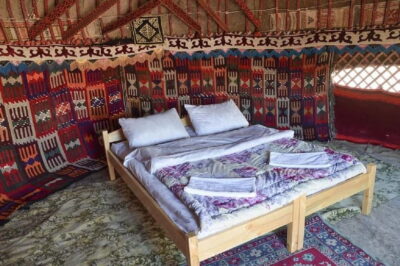
Desert Adventure from Samarkand: Yurt Camp & Aydarkul Escape
Read our review →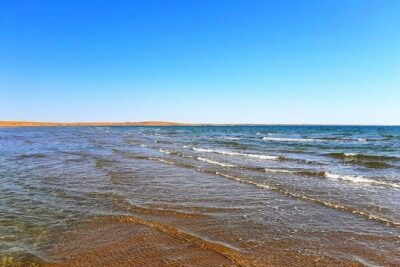
Browse the lists this tour appears in