
Reviewed · FOOD TOURS IN TASHKENT
Tashkent: Uzbek Culture, Food, Crafts & Pottery Masterclass
Making pottery with a master artisan, then sitting down to a plate of plov, gives this Tashkent experience its special shape. You get more than a quick look at Uzbek crafts: you learn how Silk Road trade, family customs, textiles, ceramics, and food fit together.
I like the hands-on pottery class, where you retain creative control instead of watching an expert do everything. I also like the warm, personal guiding from Yusuf, Julia, and other local hosts, plus the help with bargaining when you shop for crafts. The main consideration is practical: your pottery needs time to dry and fire, so you cannot take it home that day unless you arrange later collection or pay for international shipping.
Key points at a glance
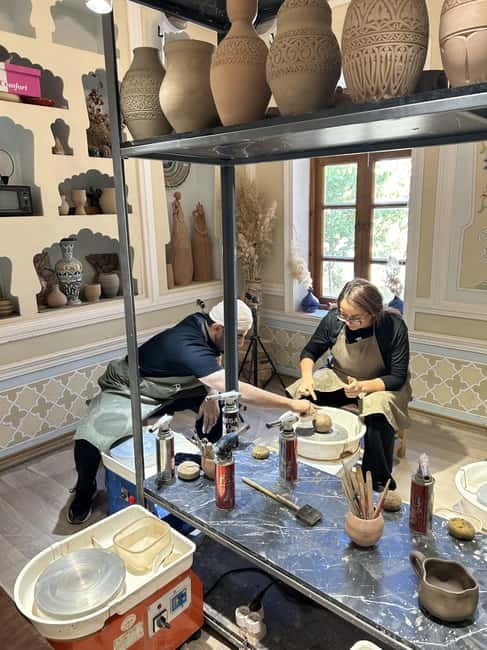
- Make your own ceramic piece: Learn clay preparation, shaping, smoothing, and decoration with a master potter.
- Hear the local side of Silk Road culture: Connect ceramics, silk, Suzani embroidery, dolls, beliefs, and household customs.
- Shop with bargaining help: Your guide can assist with prices while you browse local textiles, pottery, and handmade crafts.
- Eat a proper Uzbek meal: Fresh non bread, salads, unlimited green tea, and traditional lamb plov follow the workshop.
- Enjoy a private outing: Transportation to the workshop and a live guide in English, Russian, Polish, or Uzbek are included.
- Plan for the finished pottery: The piece takes up to two weeks to dry and fire, and shipping costs extra.
Why this 3.5-hour Tashkent experience feels different
Tashkent has plenty of grand avenues, museums, and monumental buildings. This outing gives you another way to understand the city: through the objects people make, the customs attached to them, and the food served at the end of the day.
The structure is simple and effective. You spend about an hour exploring Uzbek crafts and culture, roughly 75 minutes making pottery, then about 45 minutes to an hour eating a traditional meal. Transportation to the workshop is included, and the experience is arranged as a private group rather than a large shared outing.
I especially like the way the parts connect. The guide first explains ceramics and other crafts, then you try clay work yourself. After concentrating on your hands, you sit down to eat food that is central to everyday Uzbek life. It feels less like a checklist of attractions and more like a short cultural lesson with useful souvenirs at the end.
The published price is $85 per person. That is not the cheapest way to spend an afternoon in Tashkent, but it covers transport to the workshop, guiding, materials, artisan instruction, a full meal, and a private format. If you value personal contact and an activity you can remember physically, the price is reasonable. It is less compelling if you only want a fast city tour or a souvenir you can pack immediately.
More Food Tours in Tashkent
- Tashkent Vegan Street Food Tour
★ 5.0 · 22 reviews - Tashkent Walking & Food Tour: Highlights + Local Flavors
★ 5.0 · 18 reviews - With John Private Tashkent city & Food tour
★ 5.0 · 13 reviews
Starting with Silk Road crafts and Uzbek customs
The cultural portion lasts about one hour and introduces the craft traditions that grew around Uzbekistan’s position on the old Silk Road. The key idea is not simply that merchants passed through. Trade routes also carried techniques, designs, materials, stories, and customs between communities.
You learn about traditional textiles and silk production, including the place of handmade cloth in Uzbek life. Suzani embroidery is another major subject. These large embroidered textiles are tied to domestic life and family traditions, so the discussion gives you more context than a quick look at colorful fabric in a shop.
The tour also covers traditional doll making and differences between tribal or regional crafts. That distinction matters. Uzbek craft styles are not all interchangeable, and the guide helps explain why patterns, clothing, and handmade objects can vary from one community to another.
Local superstitions, household traditions, and wedding customs add a more personal layer. These details help you see craft objects as part of real life, not just decoration. A handmade item may connect to a marriage, a household, a regional identity, or a belief passed through a family.
The guide’s role is important here. Yusuf is described as friendly, open, and especially good at answering questions about Uzbek culture. Julia brings her own experience of joining Uzbek family and community life as a foreigner, which can give the conversation a useful inside and outside perspective. The exact guide team may vary, but English, Russian, Polish, and Uzbek are offered.
This is also the point where shopping can be folded into the experience. If you see textiles, ceramics, dolls, or other crafts you want to buy, the guide can help with bargaining. That is useful in a place where the first quoted price may not be the final one, and it lets you shop with more confidence without turning the tour into a hard-sell shopping trip.
Browsing handmade textiles, dolls, and ceramics
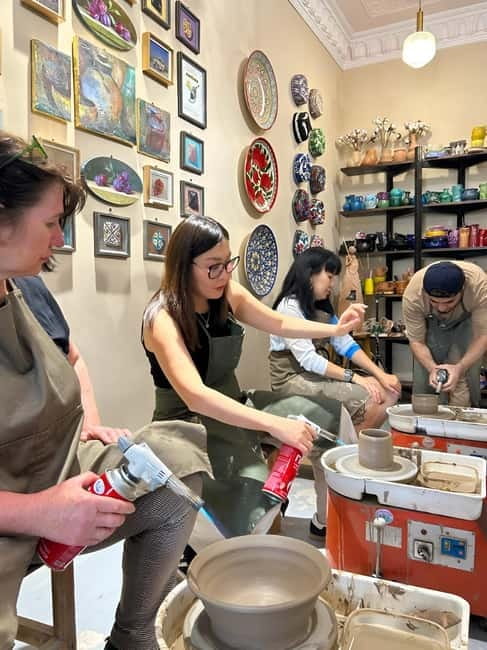
The craft exploration is described as taking place around an artisan area, with visits to different makers and displays of fabrics, ceramics, and handmade dolls in regional dress. The attraction is variety. You are not looking at one craft in isolation, but at several ways Uzbek identity appears in objects.
I would set realistic expectations here. This is not presented as a long museum visit with formal displays and labels. It is a guided look at living craft traditions, with conversation and shopping included. The quality of the experience depends partly on how much you ask. Bring questions about patterns, materials, wedding use, regional differences, or the purpose of an object.
The bargaining assistance is one of the most practical touches. Many visitors want to buy a small reminder of Uzbekistan but feel awkward negotiating through a language barrier. Having a local guide help can save confusion and make the process more relaxed. It also gives you a chance to support makers directly, though you should still decide what an item is worth to you before buying.
Take a camera if you want to record the setting and finished work. Comfortable shoes are sensible, since the first part involves moving around craft spaces and the later workshop may require standing or leaning forward.
The pottery masterclass: from clay to decoration
The pottery session is the heart of the outing. It lasts about one to one and a half hours, with the detailed schedule placing the workshop at roughly 75 minutes.
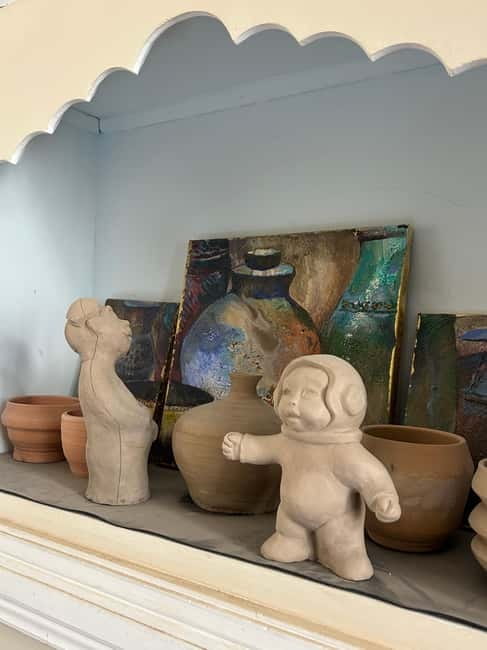
You begin with an introduction to Uzbek pottery and a basic look at the materials. The clay is prepared, and you choose the kind of piece you want to make. The information provided does not promise a fixed shape for everyone, which is good news if you want a personal result rather than an identical class project.
The next stage is wheel throwing or molding. Beginners should expect this to be messy and slightly unpredictable. Clay has its own opinions, and it rarely follows your first instruction. The artisan guides your hands and helps with technique, but the experience is designed to leave room for your choices.
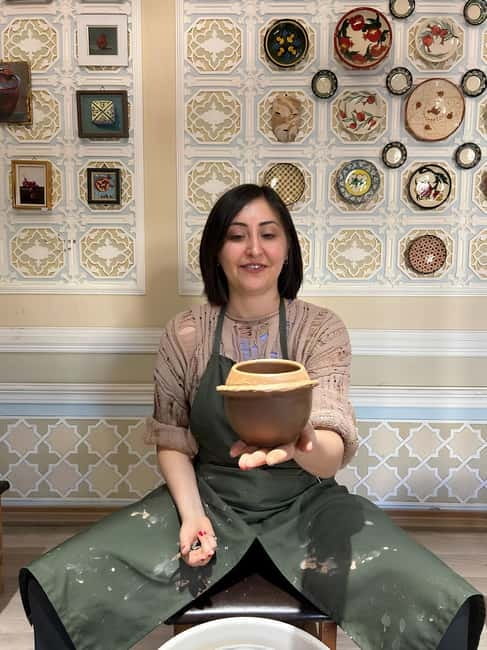
That balance is worth noting. You are not simply watching a master potter produce a perfect bowl while you applaud politely. You get to shape your own object, and the artisan helps without taking complete control. The result may be uneven, but that is part of the charm. A handmade first attempt has more meaning than a flawless factory souvenir.
After the initial shaping, the piece begins to dry. You then work on shaving and smoothing, followed by decoration and patterns. These steps show how much work goes into a finished ceramic object. The wheel is only the dramatic part. Refining the shape and adding surface design demand patience and a steady hand.
The class suits beginners because expert guidance and materials are included. Still, it is not ideal for people with back problems. Wheelchair users may also find the workshop unsuitable, according to the stated restrictions. If you have mobility concerns, ask for exact workshop arrangements before booking.
More hands-on masterclasses in Tashkent:
- Tashkent: Cultural Exploration & Pottery Masterclass
★ 5.0 · 24 reviews - Legends and Crafts: Suzani Masterclass & Cultural Immersion
★ 5.0 · 11 reviews - Master Class – Uzbek Bread in Khiva
★ 4.4 · 125 reviews - Master Class – Shivit Osh Traditional Food Of Khiva
★ 4.2 · 27 reviews
Your pottery takes time, so plan the souvenir carefully
You do not leave with a kiln-fired pot in your bag. The piece must dry and then be fired, a process that can take up to a week, while the more general timing given for the finished masterpiece is about two weeks.
If you remain in Tashkent long enough, you may be able to collect it later. If not, international shipping can be arranged for an additional fee. Shipping is not included in the $85 price, so ask about the cost and collection process before you commit to a large or fragile piece.
This delay is a small inconvenience, but it is also part of what makes the activity genuine. Pottery is not instant. The waiting period reflects the actual craft process, rather than pretending that a freshly shaped object is ready for an aircraft hold.
If you are traveling with limited luggage, think about the shape and size of your piece. The class allows you to choose your desired object, so a smaller design may be easier to collect or ship. Do not assume that every piece can be carried home the same day.
Plov, non bread, salads, and green tea
After the workshop, you eat a traditional Uzbek meal. The meal is described as lunch or dinner depending on the starting time, and it lasts around 45 minutes to an hour.
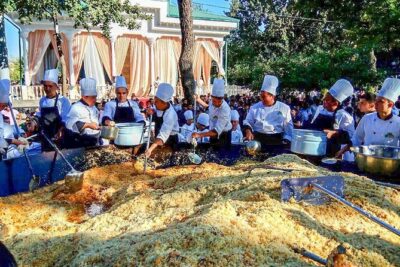
The centerpiece is Uzbek palov, made with rice, lamb, carrots, and raisins. Plov is not just a convenient group meal. It is one of the dishes most closely associated with Uzbek food culture, and eating it after learning about local customs gives the day a satisfying finish.
You also receive freshly baked non bread, a tomato and herb salad called shakarob, and a Kuzchi Kayfiyat salad. Green tea and water are included without a limit. Additional sides can be ordered for an extra charge.
The food is served in a local restaurant, and one part of the experience has been described as taking place in a pleasant garden setting. Exact restaurant arrangements can vary, but the meal is intended to be a proper regional dining stop rather than a snack between attractions.
If you have dietary restrictions, ask ahead. The supplied details specify lamb in the palov and do not provide vegetarian, halal, allergy, or substitution information. Do not rely on the included menu to answer questions it does not address.
The guides make the day personal
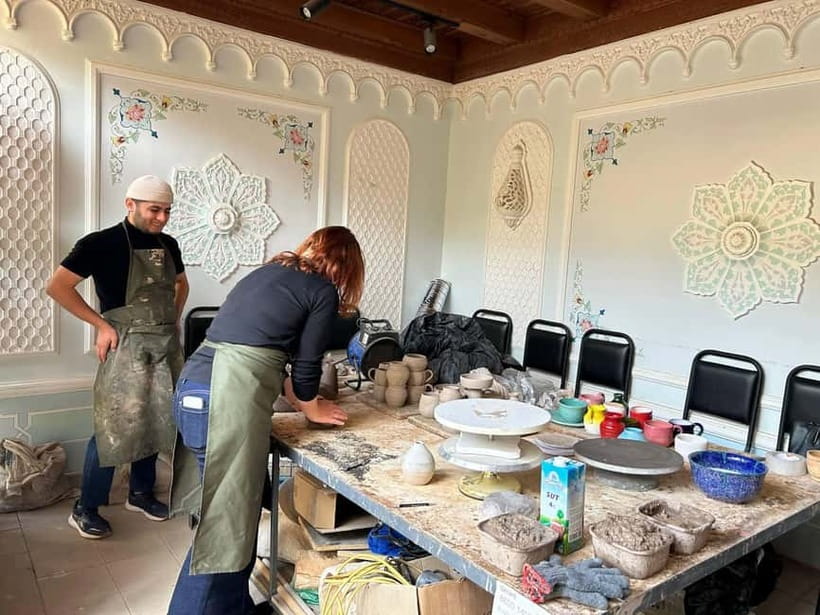
The strongest feature of this experience is the human side. Yusuf is repeatedly described as the kind of guide who answers questions, shares stories, and makes the outing feel informal. Julia is also highlighted for her insight into Uzbek customs and modern life, especially her experience becoming part of an Uzbek family.
You should expect a conversation as well as a guided tour. Topics can range from the Silk Road and ceramics to beliefs, weddings, household habits, and daily life. This makes the experience a good choice early in your Uzbekistan trip, when you still have time to use local advice about places to visit and food to try.
The private-group format helps. You can ask about a pattern, pause while shopping, or spend more time on a pottery step without worrying about holding up a large bus group. The experience is offered with live guiding in English, Russian, Polish, or Uzbek.
One practical note: transport to the workshop is included, but hotel drop-off is not. A return to your hotel can be arranged for an additional fee. Confirm the pickup and return plan when you book, especially if your next appointment begins soon after the stated 3.5-hour duration.
Who should book this Tashkent craft experience
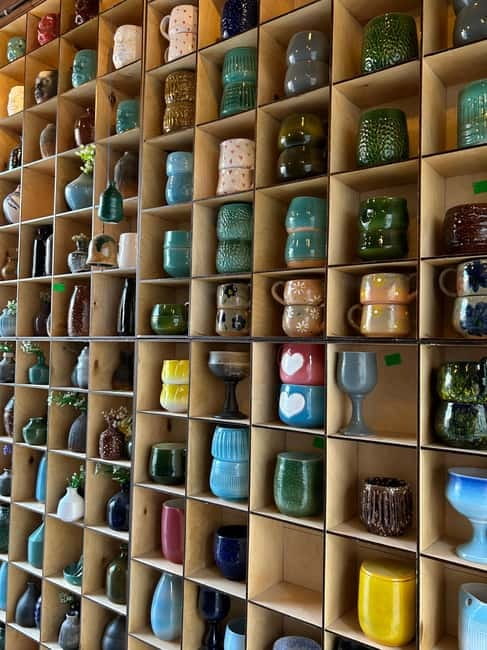
I would choose this for you if you want a cultural activity that involves doing something, not just looking at buildings. It suits couples, families with older children, solo visitors who like conversation, and anyone interested in ceramics, textiles, food, or local customs.
It is also a smart choice for a first or second day in Tashkent. The guides can help you get oriented, and the mix of history, shopping, crafts, and food gives you several ways to understand the city quickly.
The experience is less suitable if you need step-free access, have back problems, dislike hands-on activities, or have only a narrow window before a flight. You should also think twice if you need to take every souvenir home immediately.
At $85, the best value comes from the combination. A simple pottery class might cost less. A meal might cost less. A short craft walk might cost less. Here, you get all three with transport, materials, private guiding, and an artisan-led lesson. That package makes the price easier to justify, especially if you would otherwise book several separate activities.
The 5.0 rating from 24 reviews matches the experience’s clear strengths: friendly guides, personal cultural explanations, a relaxed pottery class, and a satisfying meal. Ratings are never a guarantee of a perfect afternoon, but the praise is focused on specific parts of the program rather than vague excitement.
Should you book it?
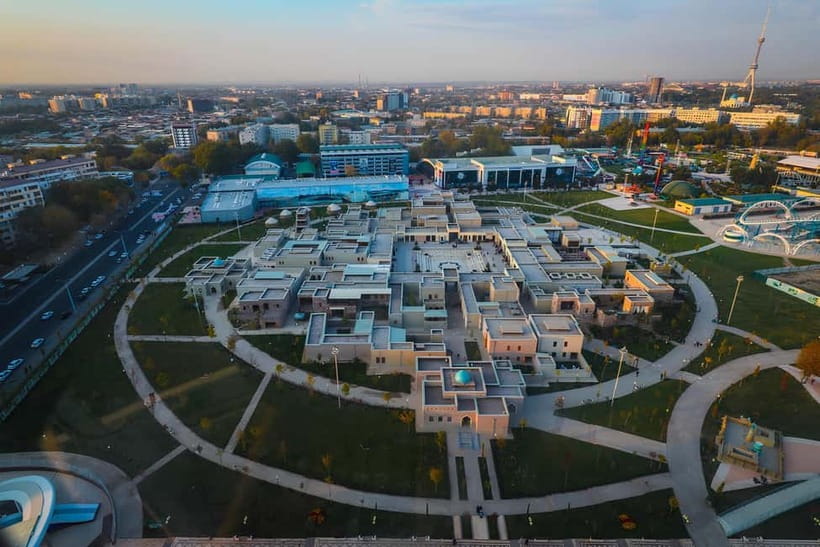
Book this experience if you want to meet local people, learn how Uzbek craft traditions connect to family and history, and make a souvenir with your own hands. The pottery will not be ready immediately, so arrange collection or shipping before you leave.
Skip it if your priority is major monuments, fast sightseeing, or a fully accessible activity. For most visitors who have half a day to spare, though, this is a thoughtful way to add texture to a Tashkent stay. You get stories, clay under your fingernails, a bowl of plov, and a much better sense of the culture behind the souvenirs.
FAQ
How long does the Tashkent pottery and culture experience last?
The experience lasts 3.5 hours. The cultural exploration takes about one hour, the pottery workshop about one to one and a half hours, and the traditional meal about 45 minutes to one hour.
What is included in the $85 price?
The price includes transportation to the workshop, a guided cultural exploration, a traditional Uzbek lunch or dinner, the pottery masterclass, materials, and guidance from expert artisans.
Is hotel pickup included?
Pickup is listed from Tashkent, and transportation to the workshop is included. Confirm the exact pickup details when booking.
Is hotel drop-off included?
No. Hotel drop-off is not included, but a return to your hotel can be arranged for an additional fee.
What languages are available?
Live guiding is available in English, Russian, Polish, and Uzbek.
Will I take my pottery home the same day?
No. The pottery must dry and be fired in a kiln. The process can take up to a week, while the finished piece may be ready in about two weeks.
Can my pottery be shipped internationally?
Yes. International shipping is available for an additional fee. Pottery shipment is not included in the activity price.
What food is included?
The meal includes non bread, shakarob, Kuzchi Kayfiyat salad, traditional Uzbek palov with rice, lamb, carrots, and raisins, plus unlimited green tea and water. Additional sides cost extra.
Is the activity suitable for wheelchair users or people with back problems?
The activity is not suitable for wheelchair users or people with back problems. Comfortable shoes are recommended, and bringing a camera is allowed.
More Food in Tashkent
- Food tour in Tashkent
★ 4.7 · 7 reviews - Ten Bites Adventure Food Tour in Tashkent
★ 5.0 · 6 reviews - Food tour in Tashkent
★ 5.0 · 5 reviews - Tashkent Food and Metro Journey
★ 5.0 · 4 reviews
Just added around Tashkent
- Tashkent Mountain Tour Amirsoy with Transport★ 3.5 · 3 reviews
- Tashkent: 3-Day Horseback Riding Tour in Chimgan Mountains★ 4.4 · 3 reviews
- Private Intercity Transfer Tashkent – Samarkand – Tashkent★ 3.5 · 3 reviews
- Samarkand: Uloq-Kopkari (Buzkashi) Game Day Tour★ 5.0 · 3 reviews
- Private Tashkent City Tour★ 5.0 · 3 reviews
- Transfer Tashkent Airport / Railway Station – Hotel★ 3.5 · 3 reviews
- Amirsoy & Chimgan mountain tour from Tashkent★ 5.0 · 3 reviews
- Heliocomplex “Institute of the Sun” – Remnants of USSR★ 5.0 · 3 reviews
Food Tours in Tashkent, compared.
Tashkent Walking & Food Tour: Highlights + Local Flavors
Read our review →
Tashkent: 4 Hour Food Tour and Metro Journey with a Guide
Read our review →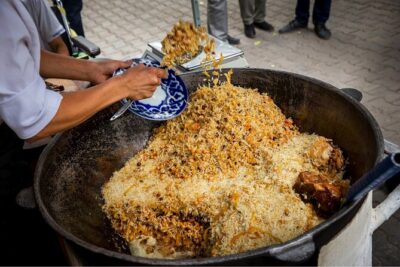
Browse the lists this tour appears in