
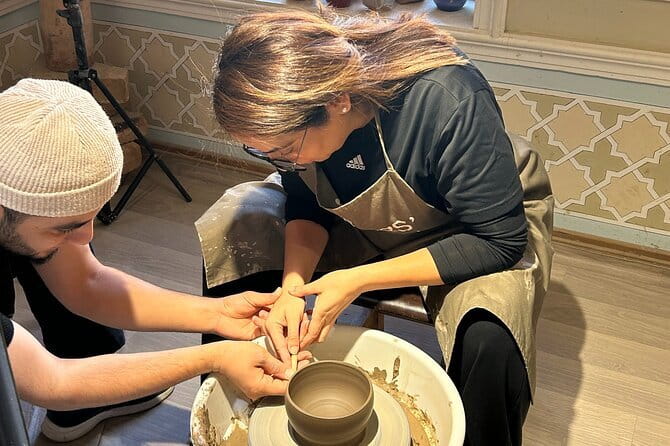
Reviewed · TASHKENT TOURS
Tashkent: Cultural Exploration & Pottery Masterclass
The best part of this Tashkent experience is that you do not only look at Uzbek craft traditions. You make something yourself. Guide Yusuf leads a cultural talk on Silk Road trade, textiles, dolls, suzani embroidery, ceremonies, and pottery, then local artisans show you how to shape clay on the wheel.
I like two things here. First, the cultural session gives the pottery a useful context instead of treating it as a stand-alone craft class. Second, the meal feels like part of the lesson, with hot Uzbek bread, palov, salads, green tea, and homemade cherry juice. The main consideration is that glazing and shipment are not included, so your piece may need extra arrangements if you want it finished and sent home.
Key points to know before booking
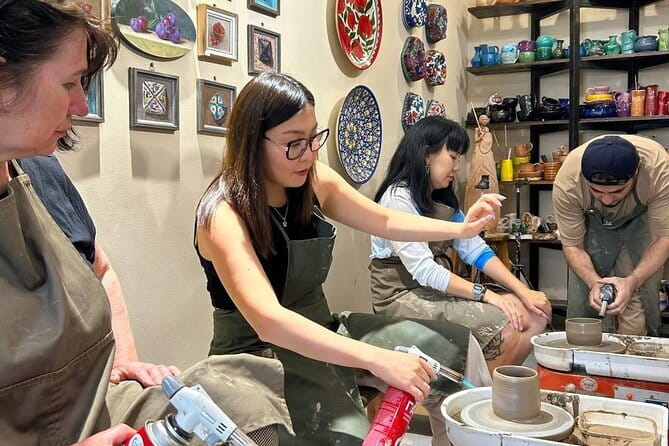
- Make your own Uzbek pottery: The class covers clay preparation, wheel work or molding, drying, shaving, and decoration.
- Learn with guide Yusuf: The cultural portion explains textiles, dolls, suzani embroidery, household customs, weddings, and regional craft differences.
- Eat a full traditional meal: Expect non bread, salads, palov, green tea, and water, with cherry juice and pickled vegetables mentioned as part of the meal experience.
- Your group stays private: Only your own party takes part, which makes it easier to ask questions and work at your own pace.
- Pickup is included: Drop-off is not, so allow time and money for your return journey.
- Plan for food restrictions: The meal contains meat, dairy, and wheat, with limited plant-based choices.
Why this Tashkent tour feels different
Many city tours ask you to look, listen, and move on. This one gives you a small task to carry through the afternoon: turn a lump of clay into a decorated object. That shift matters. You pay closer attention to pottery when your own hands are struggling to keep the walls upright.
The experience lasts about three and a half hours. It is divided into roughly one hour of cultural exploration, one to one and a half hours of pottery, and one hour for lunch or dinner. The pace is sensible. You get enough explanation to understand the subject, enough workshop time to try the craft, and enough food time to sit down properly.
The tour is private, so only your group participates. I see that as a real benefit for a pottery class. You can ask basic questions without feeling you are slowing down a large group, and the instructor can give more direct help when the clay refuses to cooperate. Clay has a mind of its own, especially on a first attempt.
More hands-on masterclasses in Tashkent:
- Tashkent: Uzbek Culture, Food, Crafts & Pottery Masterclass
★ 5.0 · 24 reviews - Legends and Crafts: Suzani Masterclass & Cultural Immersion
★ 5.0 · 11 reviews - Master Class – Uzbek Bread in Khiva
★ 4.4 · 125 reviews
Meeting Uzbekistan through its crafts
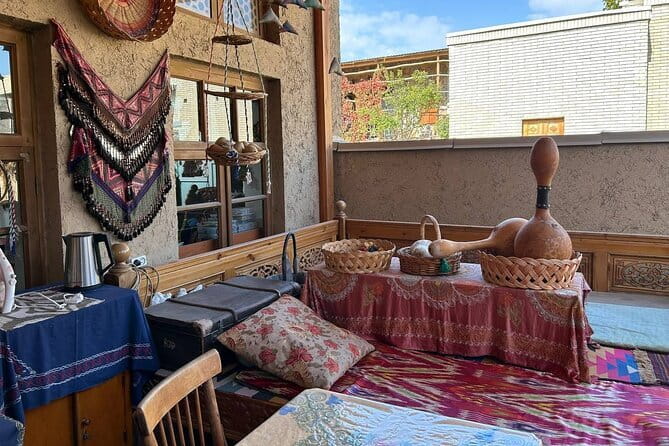
The opening cultural session is built around the everyday side of Uzbek tradition. You learn why the Silk Road mattered, but the focus goes beyond trade routes and famous names. The discussion includes silk production, traditional textiles, doll making, household habits, wedding customs, local superstitions, and differences between tribal or regional crafts.
That range is useful because it shows how culture appears in ordinary objects. Textiles are not just attractive patterns. Dolls can carry local styles. Household customs and wedding traditions explain why certain handmade items matter beyond their practical use.
Suzani embroidery receives its own place in the discussion. These embroidered textiles are closely tied to Uzbek decorative arts, and learning about their history gives you a better eye for motifs and workmanship when you encounter them elsewhere in Uzbekistan. The subject also connects naturally to pottery decoration, since both crafts preserve local design ideas through repeated patterns and careful handwork.
The cultural segment also covers ceramics and pottery before you try the wheel. That order is important. You are not simply told to make a souvenir. You first hear how craft traditions developed, then get to test a small part of that work yourself.
Guide Yusuf is a central part of this section. The experience is designed around conversation, and the available feedback points to a guide who can adjust the discussion to your interests. If you want more attention on textiles, family customs, or pottery, say so early. A private format gives you room to shape the conversation.
From wet clay to a decorated piece
The pottery class takes about one to one and a half hours. It begins with an introduction to pottery and clay preparation, then moves into selecting a piece and trying wheel throwing or molding.
You should expect this to be a hands-on lesson rather than a polished demonstration where you watch an expert do all the work. The artisan guides you through the process, but your own piece will show signs of being a first attempt. That is part of the appeal. The class is about contact with the craft, not instant professional results.
The listed stages include initial drying with a fire torch, shaving, and decoration. Each step reveals a different part of the process. Shaving helps refine the form once the clay is firm enough, while decoration connects your object to the Uzbek design traditions discussed earlier.
One especially interesting detail is the local potter’s method of preserving Uzbek designs through carving. This gives the decoration more meaning than a random pattern added at the end. You get to see how carved motifs can keep regional ideas present in a newly made object.
The class may suit beginners especially well because most people will be learning from scratch. You do not need to arrive with pottery experience. Still, keep your expectations realistic. The process includes several stages, and the final object may be modest. You are buying time with an artisan and a cultural lesson, not a guaranteed gallery-quality bowl.
The practical catch is the finish. Glazing is not included, and pottery shipment is also excluded. The information provided does not specify how the piece is handled after the class, so ask the provider what happens to it and whether local pickup is possible. If you are flying onward soon, this question matters. A wet or unfired item is not the easiest souvenir to protect in luggage.
A proper Uzbek meal in the garden
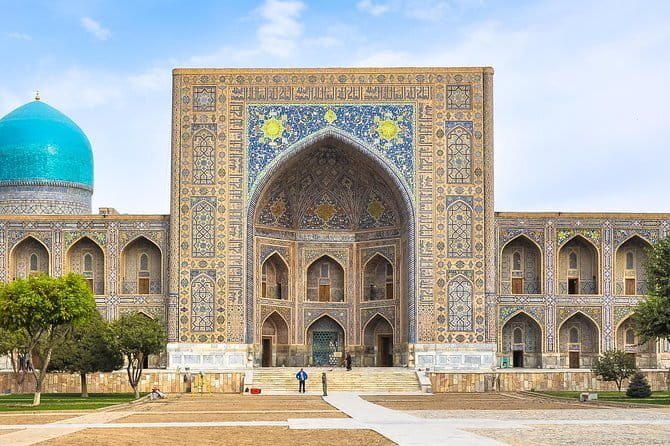
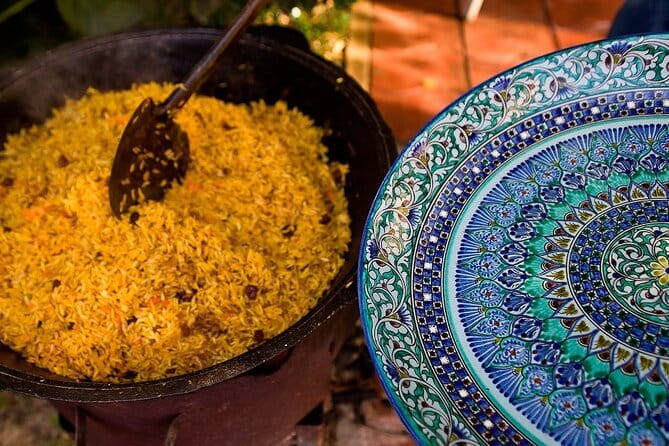
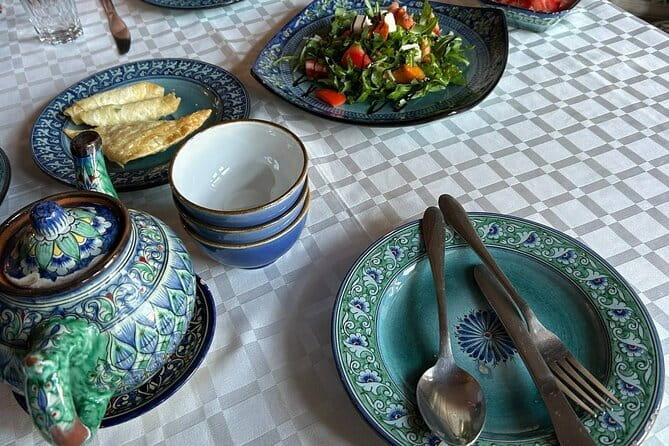
The final hour is set aside for a traditional Uzbek lunch or dinner. The meal includes non bread, a range of traditional palov, Shakarob and Kuzchi Kayfiyat salad, unlimited green tea, and water.
Palov is the centerpiece. It is one of the dishes most closely associated with Uzbek food culture, and having it after learning about local customs makes the meal feel connected to the rest of the afternoon. You are not just stopping for a quick plate between activities.
The food served in the experience has also included homemade cherry juice, pickled vegetables, and bread hot from the oven. Those details make a difference. Fresh bread and sharp pickled vegetables give the meal contrast, while cherry juice offers a sweet break from the savory dishes.
The meal is served in a tranquil garden setting, according to the tour description. That gives the final hour a slower feel after the concentration of working clay. I like this design. You have time to talk with Yusuf, compare pottery attempts, and let the information from the cultural session settle in.
Food restrictions require attention. The menu contains meat and dairy, and plant-based choices are limited. Wheat is present in the bread and pastries. Uzbek dishes may also contain nuts, and cheese appears in starters. If you have celiac disease, a nut allergy, lactose intolerance, or follow a vegetarian or vegan diet, confirm the ingredients before booking rather than hoping the menu can be changed on arrival.
A few more Tashkent days to weigh up
- Best of Tashkent Mountains: Amirsoy, Chimgan & Charvak Trip
★ 4.8 · 567 reviews - Samarkand One Day Tour – Departure From Tashkent
★ 5.0 · 313 reviews - Samarkand One-Day Tour Departure from Tashkent
★ 4.7 · 171 reviews - Tashkent: Amirsoy Resort, Chimgan Mountain and Charvak Lake
★ 4.8 · 170 reviews
What the $85 price buys you

At $85 per person, this is not the cheapest way to spend an afternoon in Tashkent. The value depends on what you want from a cultural experience.
You are paying for a private activity of about three and a half hours, pickup, a guided craft discussion, pottery equipment, instruction from local artisans, a meal, and taxes and fees. Those pieces would be separate expenses if arranged on your own, and a private format usually costs more than joining a large group.
I think the price makes the most sense for people who value participation. If you only want a quick overview of Tashkent’s history, a standard city tour may cover more sights for less money. If you want an object made by your own hands, time with a guide, and a full meal in the same outing, the package is easier to justify.
The group discount option may improve the value for families or friends traveling together. Since only your group takes part, the experience also works well for people who prefer not to spend an afternoon in a crowd.
One point to watch is the missing finish and delivery service. The equipment is included, but glazing and shipment are not. Factor that into the price if the pottery is important to you.
Timing, pickup, and who will enjoy it most
Pickup is offered, which simplifies the start of the day. Drop-off is not included, so plan your return route. The experience is near public transportation, giving you another option after the meal.
Confirmation arrives when you book, and mobile tickets are accepted. Free cancellation is available until 24 hours before the start time. Inside that window, the payment is not refunded and changes are not accepted. The cut-off follows local Tashkent time.
The experience is a strong fit for:
- First-time visitors who want cultural background with an activity
- Couples or families looking for a private outing
- Craft lovers who prefer making something to simply shopping
- People interested in Uzbek food and domestic traditions
- Visitors with an open afternoon in Tashkent
It is less suitable if you need a fully plant-based meal, require strict control over wheat or dairy, or want guaranteed finished pottery shipped overseas. It may also feel slow if your priority is checking off major city sights.
Service animals are allowed, and most people can participate. The supplied details do not give a specific minimum age, wheelchair-access note, or pottery drying timetable, so ask those questions if they affect your plans.
How to get the most from the afternoon

Tell Yusuf what interests you before the cultural session begins. The subjects range from Silk Road trade to wedding customs, so a little direction helps the conversation feel personal rather than broad.
Wear clothes you can work in. Pottery is hands-on, and sleeves or fabrics you care about may get clay on them. The supplied information does not state whether an apron is provided, so ask if you want to plan carefully.
During the workshop, focus on the process instead of trying to produce a perfect shape. Clay preparation, wheel work, shaving, and carving each require control. Your best souvenir may be the story of how the piece changed from a lump of clay into something recognizable.
Also ask about the pottery’s next stage before you begin. Since glazing and shipment are excluded, you need to know whether the object remains with the artisan, can be collected later, or must be handled another way. This is the one practical issue most likely to affect your enjoyment after the tour ends.
At the meal, take your time. Try the palov, bread, salads, and pickled vegetables, and use the tea service as a chance to ask about food customs. The final hour is not filler. It is where the craft lesson, household traditions, and daily life come together.
Should you book this pottery and food experience?
I would book this tour if you want a personal introduction to Uzbek culture and would rather make a small object than spend another afternoon looking at displays. The combination of Yusuf’s cultural guidance, artisan-led pottery, and a full Uzbek meal gives the experience a clear shape and good variety.
Book with care if you have serious food restrictions or need your pottery glazed and shipped. Those services are not included, and the plant-based menu is limited.
For most people who enjoy crafts, food, and conversation, this is a worthwhile Tashkent outing. It offers something you cannot get from a museum visit alone: a chance to handle the material, ask questions in a private group, and sit down to eat the food traditions you have just been learning about.
FAQ
How long does the Tashkent pottery experience last?
The experience lasts approximately 3 hours and 30 minutes. It includes about one hour of cultural exploration, one to one and a half hours of pottery, and one hour for a traditional meal.
What does the cultural exploration cover?
It covers Silk Road significance, textiles and silk production, doll making, regional or tribal craft differences, local superstitions, household traditions, wedding customs, suzani embroidery, ceramics, and pottery.
Who leads the cultural portion?
The cultural portion is led by Yusuf. Local artisans lead the pottery masterclass.
Is this a private tour?
Yes. Only your group participates in the activity.
Is pickup included?
Yes, pickup is included. Drop-off is not included.
What food is included?
The meal includes Uzbek non bread, Shakarob and Kuzchi Kayfiyat salad, a variety of traditional Uzbek palov, unlimited green tea, and water. Homemade cherry juice and pickled vegetables may also be served.
Can vegetarians and vegans take part?
They can take part, but the meal contains meat and dairy, and plant-based choices are limited. Confirm available options before booking.
Does the meal contain wheat, nuts, or dairy?
The meal includes wheat in bread and pastries, may include nuts, and uses dairy such as cheese in starters. Confirm specific ingredients if you have an allergy or intolerance.
Are glazing and pottery shipment included?
No. Glazing and shipment are not included in the price.
Just added around Tashkent
- Tashkent Mountain Tour Amirsoy with Transport★ 3.5 · 3 reviews
- Tashkent: 3-Day Horseback Riding Tour in Chimgan Mountains★ 4.4 · 3 reviews
- Private Intercity Transfer Tashkent – Samarkand – Tashkent★ 3.5 · 3 reviews
- Samarkand: Uloq-Kopkari (Buzkashi) Game Day Tour★ 5.0 · 3 reviews
- Private Tashkent City Tour★ 5.0 · 3 reviews
- Transfer Tashkent Airport / Railway Station – Hotel★ 3.5 · 3 reviews
- Heliocomplex “Institute of the Sun” – Remnants of USSR★ 5.0 · 3 reviews
- Half-day excursion around Tashkent★ 5.0 · 3 reviews
Tashkent Tours, compared.

Best of Tashkent Mountains: Amirsoy, Chimgan & Charvak Trip
Read our review →
Samarkand One Day Tour – Departure From Tashkent
Read our review →Tashkent: Amirsoy Resort, Chimgan Mountain and Charvak Lake
Read our review →From Tashkent: Sightseeing Day Trip to Khujand, Tajikistan
Read our review →Explore Amirsoy, Chimgan & Charvak – A Full-Day Mountain Tour
Read our review →Tajikistan : Exclusive Seven Lakes Day Tour From Samarkand
Read our review →Explore Amirsoy, Chimgan, Charvak Adventure Tour
Read our review →
Browse the lists this tour appears in