
Reviewed · ARAL SEA & MUYNAK EXPEDITIONS
Muynak Ship Cemetery Tour From Nukus
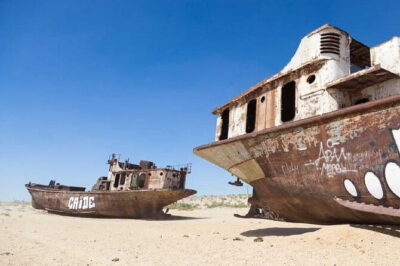
Muynak’s ship cemetery is one of those places where history feels physical. Rusting vessels sit far from any water, reminders that the Aral Sea once reached this port town. I like that this trip also includes the Mizdakhan necropolis, where pre-Islamic customs still appear among the mausoleums, and that you get a look at everyday Muynak, including its former fishermen and Karakalpak food.
The private vehicle, hotel or station pickup, and flexible departure time make this a practical outing from Nukus. The main catch is the road: Muynak is roughly 200 kilometers away, and the long drive can take about two and a half to three hours each way. This is transport-led rather than a fully guided tour unless you add a guide.
Key points at a glance
- Rusting ships in the desert: See the famous Muynak ship cemetery, a stark reminder of the Aral Sea disaster.
- Mizdakhan before Muynak: Visit a large cemetery complex with mausoleums and traces of older religious traditions.
- A long private road trip: The advertised duration is six hours, but driving reports indicate the journey can feel closer to a full day.
- Local lunch is separate: Arrange a meal at a Karakalpak home or restaurant, with the cost paid separately.
- Transport is the core service: You receive a private air-conditioned vehicle, while a guide is available on request.
- Flexible pickup: Start from your Nukus hotel, airport, or railway station, with timing adjusted around your flight.
The long road from Nukus to Muynak
The tour begins with pickup at your Nukus hotel, airport, or railway station. You can agree on the departure time around your flight or train, which is useful if Nukus is only one stop on a larger Uzbekistan trip.
The route covers about 200 kilometers. The stated drive is around two and a half hours with stops, though one account of the journey described roughly three hours in each direction. I would plan generously and avoid scheduling a tight evening connection after the tour.
This is not a quick hop between sights. Much of the value comes from watching the setting change as you leave Nukus and head toward the former sea. The trip gives you time to think about the scale of the Aral Sea catastrophe, but the road can also feel rough and tiring. A Polish visitor described the route as quite bumpy, even though the friendly driver and shared lunch made the time pass quickly.
You ride in a private air-conditioned vehicle, which matters in this dry part of Karakalpakstan. The vehicle is for a group of up to three people, so couples or small families get more space and flexibility than they would on a large coach. Comfortable clothes and shoes are the sensible choice.
More Aral Sea and Muynak expeditions:
- Daytrip from Khiva to Aral Sea Cemetery of Ships. All in one
★ 4.3 · 52 reviews - Aral Sea Adventures (2 day)
★ 5.0 · 30 reviews - Muynak Ship Cemetery Tour From Khiva
★ 3.7 · 26 reviews
Mizdakhan, a cemetery with older layers
Your first major stop is the Mizdakhan complex, described as a city of the dead. It is a broad cemetery area with a large number of mausoleums and surviving customs from the pre-Islamic period.
This stop gives the day more depth than a simple drive to the ship cemetery. The abandoned ships tell the story of environmental damage in the twentieth century. Mizdakhan points much further back, toward the beliefs and burial practices that shaped this part of Central Asia long before the modern Aral Sea crisis.
Take your time here. The value is in the setting, the tombs, and the sense that this is an active cultural site rather than a museum display built for tourists. If you want detailed explanations of the monuments, request a guide when booking. The standard arrangement includes a driver, and the difference matters: you may be taken to the site and shown where to enter without receiving a full historical tour.
This distinction caused disappointment for one Spanish visitor, who expected a guide but found the service closer to private taxi transport. The driver was helpful and waited during the stop, but the experience did not include the level of interpretation expected. My advice is simple: confirm in writing if you want a guide, not only a driver.
Kungrad and the approach to Muynak
Kungrad appears on the route between Mizdakhan and Muynak. The supplied details do not promise a separate sightseeing stop there, so treat it as part of the overland journey rather than a scheduled attraction.
That is still useful context. This road connects Nukus with the former port area, and the changing surroundings help you understand how far the water has receded. You are not just being driven to a monument. You are crossing a region shaped by the loss of a major inland sea.
Bring water for the road, but note the vehicle rules: smoking, food, and drinks are not allowed inside the car. You should also wear shoes that can handle uneven ground around the cemetery and museum area.
Lunch and a short look at Muynak life
The itinerary includes lunch in Muynak, but the meal is not included in the $130 price. You can arrange a meal at a local Karakalpak family home or at a restaurant along the way, although the information provided also notes that Muynak has few or no regular restaurants in some areas.
I like the family-home option because it connects the excursion to local life rather than keeping you inside the car. A Polish visitor shared lunch with the driver and found it to be one of the pleasant parts of the day. Still, you should settle the arrangement and cost before eating. One Spanish visitor paid the driver’s meal costs, apparently thinking they were part of the tour.
Muynak itself is important beyond the ships. It was once a busy and significant port city, but the retreat of the Aral Sea changed its economy and social life. The town is associated with former fishermen, and you may encounter people whose families were tied to the water before the shoreline moved away.
That human element is easy to miss if you rush from the parking area to the ship cemetery. Ask for enough time to see something of the town and to understand that the disaster affected work, food, transport, and daily routines, not just the view from the ship graveyard.
Same city, a completely different day out:
- Best of Tashkent Mountains: Amirsoy, Chimgan & Charvak Trip
★ 4.8 · 567 reviews - Samarkand: Historical Monuments Guided Walking Tour
★ 4.8 · 446 reviews - Samarkand One Day Tour – Departure From Tashkent
★ 5.0 · 313 reviews - Small group: Tajikistan Seven Lakes Day trip from Samarkand
★ 4.8 · 299 reviews
The Muynak ship cemetery
The ship cemetery is the emotional center of the excursion. Boats that once worked on the Aral Sea now sit on dry ground, their metal frames exposed to the desert air.
The image is powerful because it is so plainly wrong. Ships belong beside water. Here, they point to the scale of the sea’s retreat and to the consequences of human decisions affecting an entire region. The site is not a theme-park attraction. Its force comes from the silence, the distance, and the knowledge that these vessels once served a working port.
The exact condition and number of ships can change, so do not arrive with a fixed picture in mind. What you will find is a stark group of abandoned vessels and a clear visual link to the former sea. Wear comfortable shoes, and expect an open, exposed setting rather than a polished visitor facility.
Photography is an obvious part of the stop, but give yourself time to look beyond the most familiar angles. The best reason to visit is not only to take a picture of a boat in the sand. It is to connect the physical remains with Muynak’s former role and with the wider environmental crisis.
The Aral Sea Museum puts the ships in context
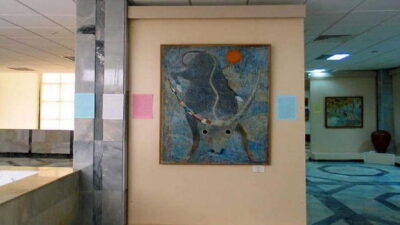
The Aral Sea Museum helps explain what the ship cemetery cannot show by itself. It covers the fauna and flora of the former sea, giving you a fuller picture of the ecosystem that once supported the region.
This is an important stop because the cemetery can otherwise become a single dramatic image. The museum adds information about the natural world that disappeared or changed as the sea shrank. It helps you see the ships as part of a much larger story involving water, wildlife, fishing, and local livelihoods.
Entrance is not included, so carry extra money for the museum fee. The tour includes the stop, but not every admission cost. If you are watching your budget closely, ask for the current entrance price before setting out.
The museum also gives you a break from the road and from the exposed conditions around the ships. You may find the visit modest in size, but its purpose is clear: it fills in the environmental details behind the rusting hulls.
Is $130 good value for up to three people?
At $130 per group of up to three, the price can be fair if you are traveling with two other people. Divided three ways, it becomes a reasonable private transport cost for a long round trip from Nukus. For one person, it is a much heavier expense, especially since lunch, museum entry, personal costs, and a guide are separate.
The included air-conditioned vehicle, pickup, and taxes keep the basic price easy to understand. You are paying mainly for private transport to a remote destination, not for a packed program of included admissions and meals.
The value improves if you want control over pickup from the airport or railway station, a private car, and a flexible departure time. It is less attractive if you expect a fully narrated cultural tour as standard. Add the guide if you want explanations at Mizdakhan and the Aral Sea sites.
The six-hour duration should also be treated carefully. The published route includes a long drive in both directions, plus several stops. Since driving accounts describe about three hours each way, I would allow a full day in practice and confirm the exact timing before booking transport onward.
Driver, guide, and language expectations
The driver can speak English or Russian. That is useful for basic communication, timing, meal arrangements, and questions about the route. One German visitor described a friendly young guide and used a translator to talk during the long drive, finding the journey easy to pass because of the conversation.
That experience may not be identical for every departure. The information lists a guide as available by request, not as part of the standard inclusion. You should ask three clear questions before paying:
- Is a guide included or is the person only a driver?
- Will the guide accompany you at Mizdakhan, Muynak, and the museum?
- What language will the guide use?
The difference between a driver and a guide is especially important here. The sites gain much of their meaning from context. Without explanations, you will still see the mausoleums, ships, and museum, but you may have to build the story yourself.
The service is a private group, which gives you room to stop, eat, and adjust the pace. Pickup is included from a hotel, airport, or railway station. The vehicle is wheelchair accessible, although the practical ease of moving around the cemetery and ship site may depend on the ground conditions.
Who will enjoy this day trip?
I would choose this tour if you are staying in Nukus and want to see the Aral Sea disaster without arranging a separate car, driver, and route. It suits people interested in environmental history, Soviet-era change, cemeteries, photography, and places where local life has been reshaped by a vanished resource.
It is also a good fit for a small group that values privacy. Three people can share the cost and decide how much time to spend at each stop.
I would think twice if you dislike long road journeys or need a tightly timed itinerary. The route is remote, and the road may be rough. The tour is not a gentle half-day outing in the usual sense, even though six hours is the stated duration.
You should also look elsewhere if your main goal is a detailed academic explanation at every stop and you do not want to pay extra for a guide. The basic service may function primarily as private transportation.
What to bring and what to arrange first
Wear comfortable clothes and shoes. You will be visiting cemetery grounds and an outdoor ship site, so practical clothing is more useful than anything formal.
Before departure, arrange or confirm:
- Lunch and its price
- The Aral Sea Museum entrance fee
- Whether a guide is joining the trip
- The exact pickup time and expected return
- Any airport or railway departure you must catch later
The provider allows cancellation up to 24 hours before departure for a full refund, and you can reserve now and pay later. That flexibility helps if your Nukus schedule may change, but you still need to check availability for the time you want.
Should you book the Muynak Ship Cemetery tour?
Book it if you want the simplest private way to reach Muynak from Nukus and you understand that the road is a major part of the day. The combination of Mizdakhan, the former port town, the ship cemetery, and the Aral Sea Museum gives you more than a single photo stop.
The best value comes with two or three people sharing the $130 vehicle cost. Add a guide if interpretation matters to you, and arrange lunch in advance so you are not left guessing about food or payment.
I would not book it on the assumption that a guide is automatically included. Think of the basic package as a private car with an English or Russian-speaking driver, then confirm any guiding service separately. With that expectation set correctly, this is a practical and memorable way to confront one of Central Asia’s most striking environmental stories.
FAQ
Where does the tour begin and end?
Pickup and return are available from your hotel, airport, or railway station in Nukus.
How long does the tour last?
The stated duration is six hours. The drive to Muynak is about 200 kilometers and is described as taking roughly two and a half hours with stops. Driving accounts also indicate that the journey may take closer to three hours each way.
What places are included?
The route includes the Mizdakhan complex, Kungrad, Muynak, the ship cemetery, and the Aral Sea Museum.
Is lunch included?
No. Lunch is paid separately. It can be arranged at a Karakalpak family home or at a restaurant along the way, subject to availability.
Is entrance to the Aral Sea Museum included?
No. The museum entrance fee is separate.
Is a guide included?
No. A guide is available by request. The standard transport is provided with an English- or Russian-speaking driver.
How many people can join the private group?
The price covers a private group of up to three people.
Is the vehicle air-conditioned?
Yes. Round-trip transport is provided in an air-conditioned vehicle.
Can I cancel the booking?
Yes. You can cancel up to 24 hours in advance for a full refund. You can also reserve and pay later.
Just added around Uzbekistan
- Bird Watching Tours in Samarkand★ 3.6 · 3 reviews
- Tashkent Mountain Tour Amirsoy with Transport★ 3.5 · 3 reviews
- Aral Sea One Day Trip from Nukus.★ 4.0 · 3 reviews
- Bukhara: City Highlights Guided Tour with Pickup★ 5.0 · 3 reviews
- Seven Lakes Panjakent: One-Day Adventure from Samarkand★ 5.0 · 3 reviews
- Khorezm Fortress and KyzylKum Desert Private Tour★ 5.0 · 3 reviews
- A Night In The Kyzylkum Desert [2] From Khiva★ 4.5 · 3 reviews
- Ancient and Modern tour in Samarkand with Transport★ 5.0 · 3 reviews
Aral Sea & Muynak Expeditions, compared.
Daytrip from Khiva to Aral Sea Cemetery of Ships. All in one
Read our review →
Daytrip From Khiva to Savitsky Museum & Mizdakhan & Chilpik
Read our review →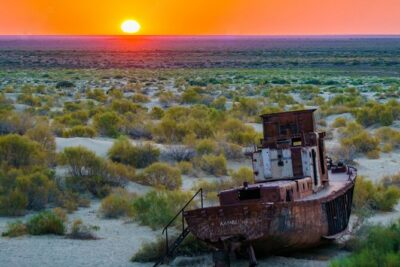
Browse the lists this tour appears in