
Reviewed · WALKING TOURS IN KHIVA
Khiva: Historical City Highlights Guided Walking Tour
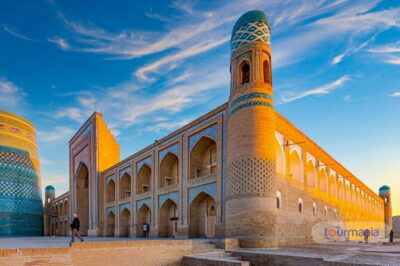
Khiva’s old city is the sort of place that can look almost too perfect at first glance, with turquoise tile, mud-brick walls, and minarets rising above quiet lanes. This tour helps you see beyond the postcard. You get the main sights of Itchan Kala, the UNESCO-listed inner city, while a local guide explains the people, beliefs, legends, and daily life behind the buildings.
I like the way the tour combines the big architectural stops with personal conversation about Uzbekistan today. I also like the small-group or private format, since guides such as Iroda, Bonu, and Shaxzodabonu have been praised for clear English, patient answers, flexible pacing, and useful food tips. The main catch is that entrance tickets are not included, so you need to budget extra and buy access at the start.
Key points to know before you book
- Itchan Kala in one half-day: Cover the core of Khiva’s walled old city on foot in about four hours.
- Four important interiors: See Allakuli Khan Madrasah, Islam Khoja Minaret, Pahlavan Mahmoud Mausoleum, and Juma Mosque.
- Local stories, not dates alone: The best guides connect architecture with Uzbek customs, legends, food, and modern life.
- Budget extra for admission: The $19 tour price covers the guide and taxes, but site tickets are separate.
- Comfortable shoes matter: Expect steady walking over historic surfaces, with little shelter from sun or changing weather.
- English, Uzbek, or Russian: Private and small-group options are available, depending on the booking.
Why a guide makes Khiva easier to understand
Khiva’s Itchan Kala is compact, but it is not simple. You can walk through its lanes and enjoy the blue tile without help, yet many buildings look alike until someone explains who built them, what they were used for, and how they fit into the city’s past.
That is where this walking tour earns its modest price. You are not paying for transport or a long trip outside town. You are paying for four hours of orientation and interpretation in a place where the details are easy to miss. A guide can point out the difference between a madrasah, mosque, mausoleum, and minaret, then connect each one to the wider story of Khiva.
The strongest part of the guiding style appears to be conversation. Iroda, in particular, is described as speaking very clear English and mixing dates with stories, humor, local customs, and honest talk about modern life in Uzbekistan. Other guides, including Bonu and Shaxzodabonu, have also been praised for adjusting the pace and answering questions without making the walk feel rushed.
That personal layer matters here. Khiva is not only a collection of restored buildings. It is also a living city, and a good guide helps you notice local food, family traditions, religion, and everyday concerns. You may even receive a restaurant recommendation or a tip about where to buy souvenirs after the formal tour ends.
Still, guide quality can vary from one departure to another. One booking described a guide who relied more on key dates than on stories and detail. If history is your main reason for coming, request an English-speaking guide and make your interests clear at the beginning.
More Walking Tours in Khiva
- Khiva Historical City Highlights Guided Walking Tour
★ 5.0 · 30 reviews - Khiva Walking Tour
★ 4.7 · 22 reviews - Khiva Walking Tour
★ 4.5 · 15 reviews
Starting at the edge of Itchan Kala
You meet at either the Caravan monument or the ticket office for Khiva’s old town. Your exact meeting point depends on the option you book, so check the confirmation carefully and add your WhatsApp number when reserving. The operator specifically asks for WhatsApp contact, and it is worth having the app ready in case the meeting point needs clarification.
The ticket office is an important first stop, not just a place to gather. Admission to the main museums and monuments is separate from the $19 guide fee, and you need to purchase those tickets before entering the sites. The guide assists with this process, which is useful if you are unsure what access the ticket covers.
The extra admission cost is the main financial point to understand. The advertised rate is low for a four-hour private or small-group walking experience, but the final amount is not simply $19 per person. One booking described paying about 20 euros per person for museum access, though prices and ticket arrangements can change. Ask at the ticket office for the current package and decide what you want to enter.
This arrangement has one advantage: you are not forced to pay for admissions you do not want. The drawback is that the headline price can make the tour look cheaper than the full outing. I would set aside a separate admission budget before you arrive.
Allakuli Khan Madrasah and the city’s grand scale
The first featured stop is Allakuli Khan Madrasah, a 19th-century Islamic school and one of Itchan Kala’s most handsome architectural sights. The stop lasts about 20 minutes, with time for a guided explanation, a visit, and photographs.
Look closely at the entrance and tilework rather than only taking a quick picture. Madrasahs were places of study as well as religious institutions, and their design reflects the importance of education, scholarship, and public life in Khiva. Your guide can give the building a human purpose instead of leaving it as a decorative facade.
This is also a good moment to ask how Khiva’s rulers shaped the old city. Guides have used these early stops to explain local power, Islamic learning, and the way major buildings were placed within the walls. The tour is not designed as a specialist architectural lecture, but it gives you enough context to read the rest of Itchan Kala with more confidence.
The short stop means you should not expect a long, quiet study of every room. If photography is your priority, tell your guide early. If you want more historical detail, ask for it here, before the route becomes busier with several major monuments.
Islam Khoja Minaret, Khiva’s most memorable view
The Islam Khoja Minaret is the visual high point of the walk, even if you never climb it. The itinerary allows about 30 minutes for the minaret, including the visit, explanation, walking, and photographs.
Its tall, narrow form gives Khiva much of its unmistakable outline. From ground level, pay attention to the bands of patterned brick and tile, then look back toward the surrounding roofs and domes. The minaret works both as a religious structure and as a marker that helps you understand the shape of the old city.
Some attraction access may involve steps or uneven footing. This is one reason the experience is not suitable for wheelchair users or people with mobility impairments. Even if you walk easily, wear shoes with good grip and avoid treating the route like a polished museum corridor.
The minaret stop is especially useful with a guide who tells stories rather than reciting measurements. Iroda has been praised for explaining old tales alongside historical facts, while other guides have made the experience more interactive with questions and humor. That approach helps the minaret feel connected to Khiva’s people instead of simply being the tallest object in your photograph.
More city highlights walks in Khiva:
- Khiva: City Highlights Guided Walking Tour
★ 4.6 · 3 reviews - Samarkand: Historical City Highlights Guided Walking Tour
★ 4.8 · 153 reviews - Bukhara: Historical City Highlights Guided Walking Tour
★ 4.6 · 102 reviews - Tashkent: Historical City Highlights Guided Walking Tour
★ 4.8 · 71 reviews
Pahlavan Mahmoud Mausoleum and sacred Khiva
The Pahlavan Mahmoud Mausoleum receives about 20 minutes on the route. It is dedicated to Pahlavan Mahmoud, a revered Sufi saint, poet, wrestler, and local spiritual figure. The building is important not only for its decoration but also for the devotion it continues to represent.
Your guide should explain the customs expected at a sacred site. Dress and behavior need to be respectful, and photography may be limited in certain areas. Flash photography is prohibited inside some sites, so keep your flash switched off even when your camera tries to activate it in a dim room.
This stop changes the mood of the walk. The minaret and madrasah invite you to look upward and outward. The mausoleum asks you to slow down and consider Khiva as a place of faith, memory, and pilgrimage. A guide can explain why particular figures matter to local people and how religious buildings fit into Uzbek culture.
Twenty minutes is enough for a useful introduction, but not for a detailed study of every inscription or tradition. If this is the stop that interests you most, say so. The private and small-group format gives you a better chance to shape the conversation than a large coach tour would.
Juma Mosque and its forest of wooden columns
Juma Mosque is one of the most distinctive stops because its effect comes from the interior rather than a towering exterior. The mosque is known for its wooden column architecture and origins dating back to the 10th century. You get around 20 minutes for the visit and guided walk.
Inside, the columns create a forest-like rhythm. Each one helps support the roof, but together they give the mosque a calm, unusual sense of space. This is the sort of place where a guide’s explanation adds real value. Without context, you may admire the columns and move on. With context, you begin to think about age, craftsmanship, reuse, repair, and the long life of a religious building.
The interior can be darker than the outdoor courtyards, so flash restrictions matter here. Take your time with your eyes before reaching for your camera. The best photographs may come from studying the repeating shapes and shafts of light rather than trying to brighten the whole room.
One practical warning: the route may feel hurried near closing time. A booking from June described the final two stops as rushed because buildings were about to close, with a suggestion that the tour begin an hour earlier. Starting times vary, so check availability and, if possible, choose a departure that leaves a comfortable margin before evening closures.
Itchan Kala is more than four monuments
The itinerary sets aside about 40 minutes for Itchan Kala itself, though in practice the whole walk takes place within this walled historic city. This part of the tour ties the individual buildings together.
You will walk through lanes lined with madrasahs, courtyards, shops, mosques, and restored facades. The old city is compact enough to explore on foot, but the walls and repeated architectural forms can make it hard to know what you are seeing. A guide provides a map in words, showing how the monuments relate to one another and where you might return later.
I like this broader section because it gives you room to notice details between the official stops. Guides have taken small groups to quieter corners and pointed out less obvious parts of the old town. You may also hear about local bread, Uzbek cuisine, souvenir shopping, and places to eat outside the most tourist-focused streets.
The tour ends at either the old town ticket office or within Itchan Kala. That gives you a useful choice. You can finish near the ticket office and continue with your own plans, or remain inside the walls for more photographs and independent wandering.
Do not expect every museum or palace in Khiva to receive a full explanation. This is a highlights walk, not an all-day archaeological program. The value is the clear route through the essential sights, plus enough background to help you explore alone afterward.
What the $19 price really buys you
At $19 per person, the tour is strong value if you want guided context without paying for a full private car service. The guide, taxes, and walking route are included. You receive no transport because you do not need it within Itchan Kala, and that keeps the cost down.
The separate entrance ticket is the detail that affects the final value. You should treat $19 as the guiding fee, not the complete cost of entering every featured site. Since the guide helps you buy admission at the start, the process is straightforward, but you still need cash or payment suitable for the local ticket office, depending on current arrangements.
The small-group and private options also change the experience. A small group lets you ask questions and still meet other people. A private tour gives you more control over pace, photography, and subjects such as religion, architecture, food, or modern Uzbek life.
The large number of five-star ratings attached to this activity reflects a clear pattern: the most praised features are guide communication, historical storytelling, flexibility, and local advice. The strongest comments focus on Iroda’s English, warmth, and ability to discuss both the past and life today. That is exactly where the tour earns its fee.
Walking conditions, timing, and what to bring
Plan on three and a half to four hours outside. The route includes several stops but also plenty of walking between them, and there may be uneven surfaces, steps, and historic interiors without modern access features.
Wear comfortable walking shoes. Bring water, sunscreen, and a hat in warm months. Khiva’s open streets and courtyards can feel exposed, while weather can change outside the hottest part of the year, so dress in layers when needed.
Photography is allowed, but flash photography is prohibited inside certain sites. Carry a phone or camera with the flash disabled, and follow your guide’s instructions in religious spaces.
The tour is not suitable for wheelchair users or people with mobility impairments. If you have limited stamina or difficulty with steps, ask before booking for a clearer description of the current route. The walking format is central to the experience, and there is no transport segment to shorten it.
The tour is offered in English, Uzbek, and Russian. English ability appears to be a major strength for several guides, but you can request your preferred language when booking. Add your WhatsApp number, as requested by the operator, so the meeting details can be confirmed.
Who will get the most from this Khiva walk
I would choose this tour if you have only part of a day in Khiva or if you want a strong introduction before exploring on your own. First-time visitors benefit most because the route covers the core monuments and explains how they fit together.
It also suits you if you enjoy asking questions. Guides have been flexible about spending longer at a favorite site, skipping something less important, or offering ideas for the rest of your stay. That flexibility is easier to use in a private or small group than in a fixed large departure.
Food-minded visitors should listen for the practical advice at the end. Several guides have recommended reasonably priced restaurants and discussed bread, local cuisine, and places to buy souvenirs. These details help move the experience beyond a parade of monuments.
I would hesitate if you want a very specialist lecture on architectural history or an exhaustive museum tour. One booking found the explanations too focused on dates, and another noted that the final sites felt rushed because of closing times. You can reduce that risk by asking for deeper stories and selecting an earlier start when available.
Free cancellation up to 24 hours before departure and reserve-now, pay-later booking make the plan easier to adjust. Those policies are useful in Uzbekistan, where transport schedules and weather can affect a day’s plans.
Should you book the Khiva Historical City Highlights Walking Tour?
Book it if you want the main sights of Itchan Kala explained by a local guide, especially at a price that leaves room in your budget for food and further exploring. The best version of this experience gives you clear historical background, stories about Pahlavan Mahmoud and Khiva’s rulers, views of the Islam Khoja Minaret, the quiet rhythm of Juma Mosque, and honest conversation about Uzbekistan today.
Before paying, confirm the meeting point, language, group size, starting time, and current entrance fee. Ask for an earlier departure if you are concerned about closing hours. I would also tell the guide whether you care most about photography, architecture, religion, local food, or daily life.
For most first visits, this is a sensible and good-value way to get your bearings fast without turning Khiva into a lecture. Just remember that the $19 fee is only part of the day’s cost, and the walk requires steady mobility.
FAQ
How long does the Khiva walking tour last?
The advertised duration is four hours. One booking described a tour lasting about three and a half hours, so the exact length may vary slightly.
What landmarks are included?
The route includes Allakuli Khan Madrasah, Islam Khoja Minaret, Pahlavan Mahmoud Mausoleum, Juma Mosque, and the wider Itchan Kala area of Khiva.
Are entrance tickets included in the $19 price?
No. Entrance tickets are not included. You purchase them at the start of the tour, and the guide assists with the process.
Where does the tour start?
There are two possible starting points: the Caravan monument or the ticket office of Khiva’s old town. The meeting point depends on the option booked.
Where does the tour finish?
The drop-off point is either the ticket office of Khiva’s old town or Itchan Kala.
What languages are available?
Live guides are available in English, Uzbek, and Russian.
Is the tour suitable for wheelchair users?
No. The activity is not suitable for wheelchair users or people with mobility impairments. Comfortable walking shoes are recommended.
More Historic Sites near Khiva
- Samarkand: Historical Monuments Guided Walking Tour
★ 4.8 · 446 reviews - Bukhara: Historic Center Guided Sightseeing Tour
★ 4.8 · 44 reviews - Samarkand: Historical Monuments Group Walking Tour
★ 5.0 · 29 reviews - Private Guided Tour Samarkand city history and culture
★ 5.0 · 22 reviews
Just added around Khiva
- A Night In The Kyzylkum Desert [2] From Khiva★ 4.5 · 3 reviews
- Khorezm Fortress and KyzylKum Desert Private Tour★ 5.0 · 3 reviews
- Khiva: City Highlights Guided Walking Tour★ 4.6 · 3 reviews
- Best of Khiva: Exclusive Private Tour!★ 5.0 · 3 reviews
- Khiva: classic Half-Day Tour★ 3.7 · 3 reviews
- Traditional Khiva Cooking Class with Market Visit & Lunch★ 5.0 · 4 reviews
- Master Class – Uzbek Bread (Khiva)★ 3.5 · 4 reviews
- Uzbekistan 6 Days Private Tour Khiva-Bukhara-Samarkand by Train★ 5.0 · 4 reviews
Walking Tours in Khiva, compared.
Khiva Historical City Highlights Guided Walking Tour
Read our review →Browse the lists this tour appears in