
Reviewed · SAMARKAND TOURS
Cooking Class in the Village with Local Family in Samarkand
The best part of this Samarkand experience is the move from market stall to family kitchen. You start by choosing ingredients at a local bazaar, then head to a village home to prepare Uzbek dishes with the people who cook them every day. I like the small private format and the chance to see family life beyond Samarkand’s famous monuments.
I also like the generous cultural mix. Along with food, you may talk about daily customs, play chess, and see paper making, oil production, and pottery near Konigil. The main consideration is pace: this is a relaxed, hands-on visit rather than a tightly timed cooking school, so you may have less time at the stove than you expect.
Key points at a glance
- Start at a real local bazaar: Shop for fresh ingredients while seeing everyday commerce in Samarkand.
- Cook with a village family: Prepare classic Uzbek food such as plov, manti, dolma, shashlik, and samsa.
- Hosts are central to the experience: Goli, Gulrux, Navuq, and Navro’z are named in the feedback connected with different visits.
- Go beyond the kitchen: The route can include Konigil paper making, an oil meal workshop, and pottery.
- Private and flexible: Only your group participates, with hotel pickup and a flexible starting time.
- Good value for a food-focused outing: At $65 per person, the price covers about five hours of transport, shopping, food, and cultural visits.
From Samarkand’s bazaar to a village kitchen
Your day begins with pickup from your hotel in Samarkand. The start time is flexible, and the operating hours are listed from 9:00 a.m. to 10:00 p.m., so you have some room to arrange the visit around sightseeing or train plans.
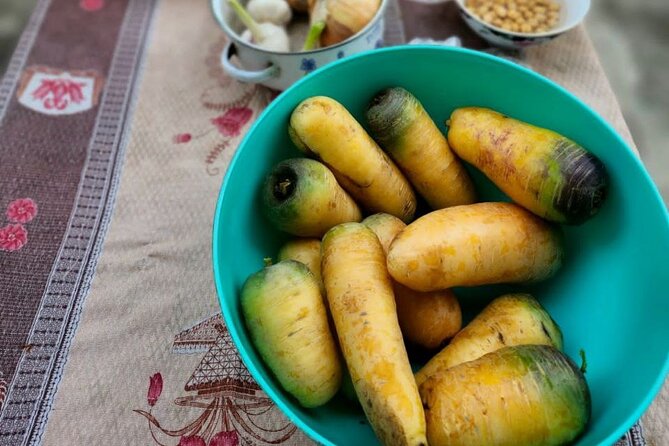
The first stop is a local bazaar. This is not just a quick purchase of onions and carrots. It gives you a look at the ingredients, bargaining, and social rhythm behind Uzbek home cooking. You can browse the colorful stalls, speak with vendors through your guide, and see what goes into the meal before anyone lights a stove.
That order matters. Plov tastes more meaningful when you have watched the rice, meat, carrots, and other ingredients being chosen. The market also gives you a chance to try unfamiliar foods and ask questions before the cooking begins.
A useful detail from the food-focused visits is that vegetarian preferences were accommodated. You should still state your needs clearly when booking and again at the start of the day, but the hosts have handled requests for vegetarian meals.
More cooking classes in Samarkand:
- Samarkand: Village Tour with Plov Cooking Class & Home Visit
★ 5.0 · 29 reviews - Samarkand: Uzbek Cooking Class in a Village Home
★ 5.0 · 22 reviews - Cooking class in Samarkand with local life experience
★ 5.0 · 19 reviews
What cooking Uzbek food is really like
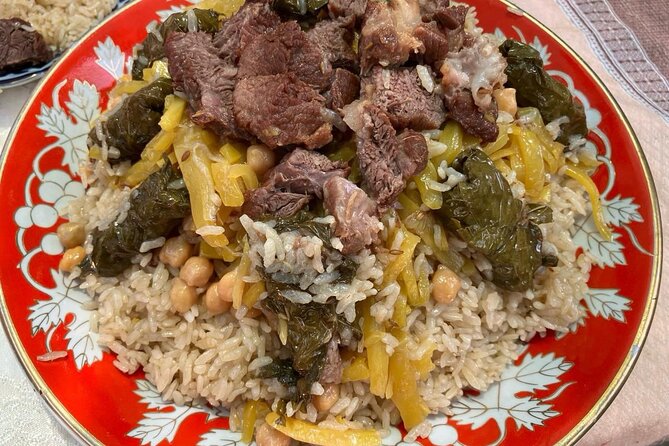
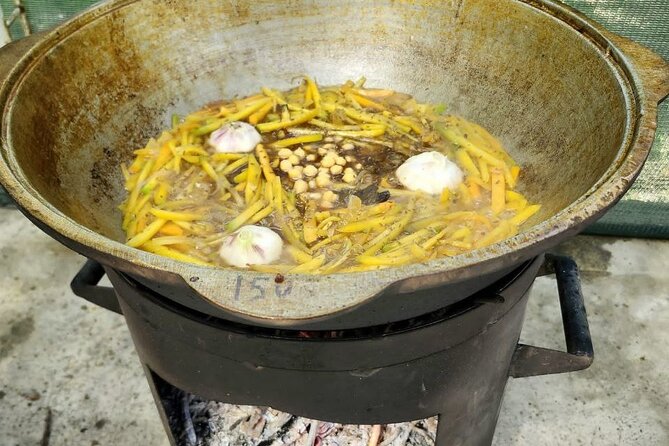
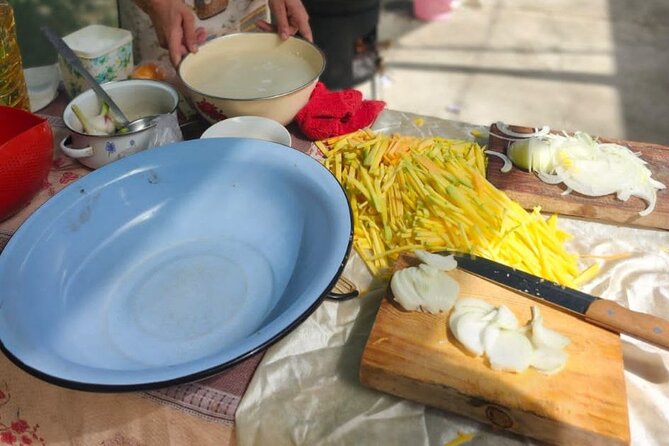
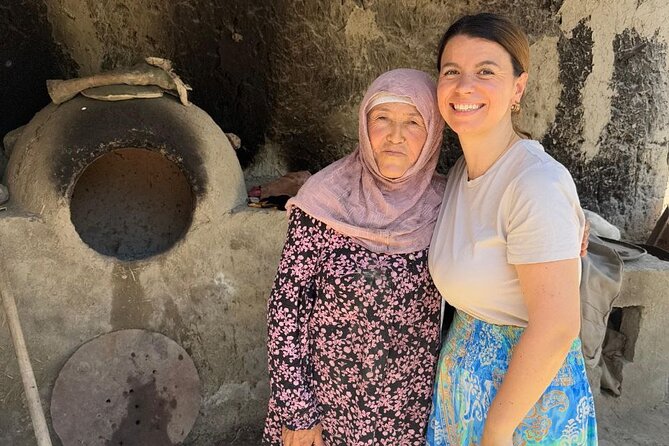
After the bazaar, you drive to a village and join a local family at home. The cooking is designed as a shared activity, not a restaurant demonstration. You may prepare plov, manti, dolma, shashlik, or samsa, depending on the host and the plan for the day.
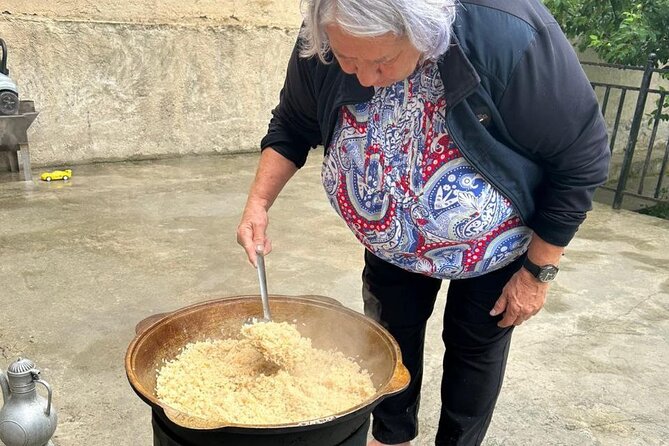
Plov is the dish most closely associated with the experience. It is a layered rice dish that depends on timing and careful handling, so a step-by-step lesson can be useful. Gulrux is specifically praised for explaining plov in a clear sequence, and her strong English made conversation easy during the cooking.
Manti and dolma add a different kind of work. They involve shaping or filling, which may give you more direct kitchen time than simply watching a large pot of plov. Samsa, with its savory filling and pastry, offers another look at Uzbek home food. Shashlik brings grilled meat into the meal, though the precise menu can vary.
You should not expect every dish listed above at every visit. The tour description presents them as examples, and the family decides what suits the day. If one food matters most to you, ask about it in advance.
The pace is deliberately unhurried. One visitor wished for more chances to roll dough or collect firewood, which tells you something useful about the format. You will participate, but the host family may also handle some of the longer or more traditional steps.
That slower rhythm is part of the appeal. A rushed lesson can turn local food into a checklist. Here, you have time to talk, watch family members work, and understand how a dish fits into home life. If you want a professional cooking course with a recipe card and constant instruction, this may feel light. If you want a meal shared with a family, it is a better match.
The family connection is the heart of the visit
The food gets you through the door, but the family gives the day its character. You can talk about Uzbek customs, routines, and traditions while the meal comes together. Chess may be part of the time in the home, and family members may join the conversation.
The hosts connected with this experience include Goli, Gulrux, Navuq, and Navro’z. Names and family arrangements may vary by booking, but the repeated pattern is clear: this depends heavily on the warmth and communication of the particular host.
Goli is described as collecting visitors from their hotel, taking them through the market, and guiding a relaxed cooking session with her family. Gulrux is noted for her English and for teaching plov carefully. Navuq and his family are associated with a food workshop that included market shopping and a welcoming home setting.
That personal contact is valuable in Samarkand. The city’s grand sights tell you about empires, trade, and architecture. A family kitchen gives you a more ordinary view of Uzbekistan, including what people eat, how they spend time together, and how hospitality works at home.
You should also allow for conversation to be part of the experience rather than a break from it. The hosts are not simply there to get you through a menu. The best moments may come between tasks, when you are talking about family life or learning why a dish is prepared in a certain way.
Konigil adds paper, oil, and pottery
The itinerary can include more than the bazaar and cooking. You may visit the Konigil paper factory, an oil meal workshop, and a pottery workshop. These stops broaden the outing from food to village craft and production.
Konigil is known in Samarkand for traditional paper making. A visit here can help you see how local craft skills are kept in public view, rather than treating the cooking class as an isolated activity. The oil and pottery visits offer another look at practical work connected with the area.
The supplied details do not give a fixed order or exact time at each workshop. Treat these as included possibilities, not guaranteed long demonstrations of each craft. If your priority is cooking, confirm how the day will be divided. If you want a broader village outing, these stops add useful variety.
There is also a practical tradeoff. Five hours is enough for several stops, but not enough for extended time at the market, a full cooking course, a long family visit, and detailed workshop tours all at once. The day works best when you value variety and contact over depth at one single stop.
A few more Samarkand days to weigh up
- Private Samarkand Cooking Class with Market Tour & Transfers
★ 5.0 · 14 reviews - Plov Cooking Class at Local Uzbek House
★ 5.0 · 5 reviews - Samarkand Local Family Cooking Class and Siyob Bazaar Tour
★ 5.0 · 5 reviews - Samarkand: Cooking class with local family
★ 5.0 · 3 reviews
Why the private format matters
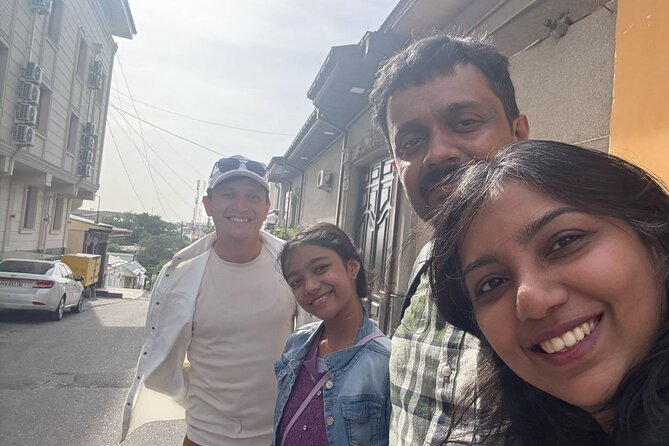
This is a private tour, so only your group participates. That makes a real difference in a family home. You can ask questions without holding back a larger group, adjust the conversation to your interests, and discuss dietary needs more directly.
The flexible start time is another advantage. Samarkand sightseeing often involves early monuments, evening walks, and transport connections. A flexible arrangement may let you fit the cooking visit into a busy stay, although you should confirm the exact pickup time with Navruz.
Hotel pickup is offered, which removes the need to find a village meeting point. Transport is especially useful here because the plan moves from the city to a village and then to several possible stops.
The activity has a mobile ticket, and confirmation is received at booking. Service animals are allowed, and the meeting area is near public transportation. These details make the outing fairly easy to arrange, but you should still provide the correct hotel information and mention any food restrictions before the day begins.
Is $65 a fair price?
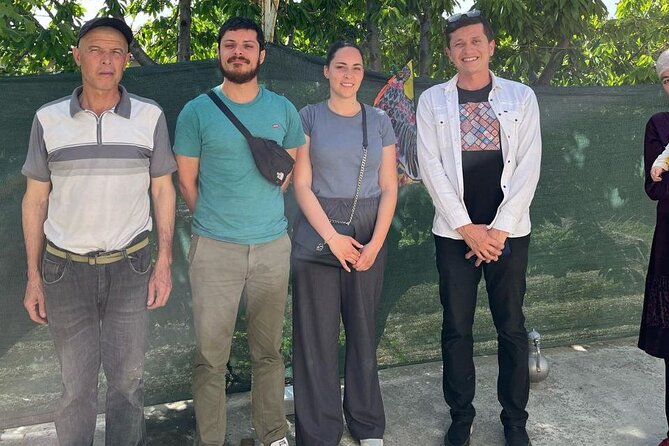
At $65 per person, this is not the cheapest way to eat in Samarkand. It is also not simply a meal. The fee covers a private, approximately five-hour experience with hotel pickup, a bazaar visit, a family cooking session, and possible craft stops.
I see the strongest value in the access. You are paying for time in a home, a local shopping trip, guidance through unfamiliar food, and a direct conversation with an Uzbek family. Those are difficult things to arrange on your own, especially if you do not speak Uzbek or Russian.
The value is better for a small group than for a solo diner seeking only lunch. A group can share the cost of the guide and transport while still keeping the private setting. For a solo visitor, the price is higher per person, but the personal attention may be worthwhile if food and local contact are central to your trip.
The price is less attractive if you mainly want to learn formal cooking technique. The experience may not give you a printed recipe, exact measurements, or hours of practice. Think of it as a cultural food visit with cooking, not a chef-led culinary course.
Timing, comfort, and who will enjoy it
Plan on roughly five hours, though the flexible nature of the visit means the actual rhythm may vary. Wear clothes you are comfortable cooking in, and choose footwear suited to moving between a market, a village home, and workshops.
The tour suits you best if you enjoy conversation, home cooking, and a little uncertainty in the schedule. Families, couples, and small groups can all benefit from the private format. It also suits anyone who wants to balance Samarkand’s grand monuments with ordinary daily life.
Vegetarians can consider it, since the hosts have prepared vegetarian meals, but you should make the request clearly. The menu is built around Uzbek dishes, and several traditional options commonly include meat, so do not leave dietary planning until the meal is already underway.
Children may appreciate the market, dough work, and family setting, but the information provided does not specify a minimum age or special children’s program. If you are booking with young children, ask Navruz how much active participation is suitable for your group.
You should also be comfortable with a home visit. This is not a staged show with a polished commercial kitchen. The charm comes from seeing food made in a family setting, and that means the experience may feel informal.
How this compares with a standard Samarkand food tour
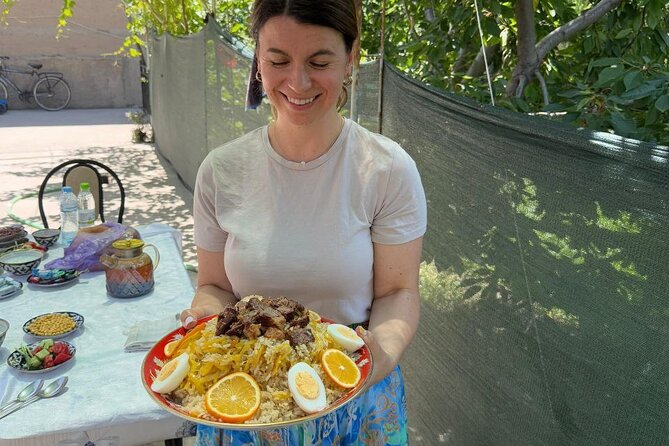
A restaurant food tour lets you sample several dishes quickly. This visit gives you fewer formal tastings but more context. You see ingredients before they reach the table, help with preparation, and eat in the setting where family food is part of daily life.
A standard cooking class usually focuses on technique. Here, technique is only one layer. You are also learning about family customs, village routines, local crafts, and hospitality.
That broader scope is why I would not book this as your only food activity if you want to master Uzbek cuisine. Instead, pair it with time at Samarkand restaurants or a later market visit. The family day will give you stories and methods to notice when you order plov or manti elsewhere.
The experience also gives you a useful correction to the idea that Uzbek food is only about plov. Manti, dolma, samsa, and shashlik show different methods and textures. The market visit makes that range easier to understand.
Cancellation and booking advice
You can cancel for a full refund up to 24 hours before the experience starts. Cancellations or changes made within 24 hours are not accepted for a refund, and the cutoff uses Samarkand local time.
Since the experience is booked on average nine days ahead, I would reserve early if your dates are fixed. Before confirming, send your hotel details, preferred start time, dietary needs, and the dish you most want to learn. That simple message can help set realistic expectations.
Should you book the Samarkand village cooking class?
I would book this if you want personal contact, a relaxed day, and a meal connected to the people who make it. The market, family home, and village workshops create a fuller picture of Samarkand than another restaurant meal can offer.
I would think twice if you want a strict lesson with guaranteed dishes, exact cooking times, and constant hands-on work. The day may include periods of watching and talking, and the menu and craft stops can vary.
For most visitors who have already seen Registan Square and Samarkand’s major sights, this is a useful change of pace. At $65, the strongest reason to choose it is not the amount of food. It is the chance to sit at a family table, learn how local dishes are made, and see a side of Uzbekistan that a monument ticket cannot provide.
FAQ
How long does the cooking experience last?
The experience lasts approximately five hours in total.
Is hotel pickup included?
Yes. Pickup from your hotel in Samarkand is offered.
Where does the cooking take place?
After visiting a local bazaar, you travel to a village and cook traditional Samarkand food with a local family in their home.
What dishes might I prepare?
Possible dishes include plov, shashlik, samsa, manti, and dolma. The exact menu may depend on the host and the day.
Can vegetarians join the experience?
Yes. Vegetarian meals have been accommodated, but you should state your preference when booking and confirm it before the cooking begins.
Is this a private tour?
Yes. Only your group participates in the private activity.
Is the start time fixed?
The starting time is described as flexible. Confirm the preferred time with the provider when arranging your booking.
What is the cancellation policy?
You can cancel at least 24 hours before the start time for a full refund. Cancellations or changes made less than 24 hours before the start time are not refunded.
Just added around Samarkand
- Bird Watching Tours in Samarkand★ 3.6 · 3 reviews
- Seven Lakes Panjakent: One-Day Adventure from Samarkand★ 5.0 · 3 reviews
- Ancient and Modern tour in Samarkand with Transport★ 5.0 · 3 reviews
- From Samarkand: 2-Day Yurt Camp Adventure with Camel Ride★ 4.7 · 3 reviews
- Samarkand: city tour★ 4.7 · 3 reviews
- Samarkand: Cooking class with local family★ 5.0 · 3 reviews
- Explore Samarkand Guided Tour with Transfers★ 5.0 · 3 reviews
- Penjikent Day Trip From Samarkand★ 5.0 · 3 reviews
Samarkand Tours, compared.
Samarkand: Historical Monuments Guided Walking Tour
Read our review →
Small group: Tajikistan Seven Lakes Day trip from Samarkand
Read our review →Samarkand: Historical City Highlights Guided Walking Tour
Read our review →
Private Samarkand City Tour With Transportation
Read our review →
A City Tour Of Samarkand: The Pearl Of The East
Read our review →Seven Beauties of Shing -Seven Lakes Day Trip From Samarkand
Read our review →
Full Day Private Tour in Seven Lakes from Samarkand
Read our review →
Samarkand One Day Tour: one day walking & group tour
Read our review →Browse the lists this tour appears in