
Reviewed · TASHKENT TOURS
Khujand Day Tour from Tashkent
Khujand gives you something few day trips from Tashkent can: a quick crossing into another country and a look at an old Silk Road city that still feels tied to daily trade. The journey includes a long border crossing, but the reward is Paishanba Bazaar, Tajikistan’s largest market, along with ancient fortifications and local streets.
I like the private format for up to three people, which keeps the day more personal than a large coach trip. I also like that a guide joins you in Khujand, rather than leaving you to manage the city alone. The main drawback is the border. It can involve several passport checks and a walk of more than a kilometer, so your visa paperwork must be correct before you leave Tashkent.
Key points at a glance
- Cross-country day trip: Drive 120 kilometers from Tashkent to the Uzbekistan border, then continue about 60 kilometers into Tajikistan.
- Khujand’s Paishanba Bazaar: Explore one of the country’s biggest markets, with fruit, food, household goods, and plenty of local activity.
- Three-hour city tour: See the fortress, palace, architectural remains, and other central sights with a certified guide.
- Strong guide option: Hussein has been praised for clear English, patience, and useful explanations about Tajik history and everyday life.
- Private group value: The $270 rate covers a group of up to three, not just one person, with transport and guiding included.
- Border planning matters: You need a Tajikistan visa if required and at least a double-entry Uzbekistan visa if your nationality requires one.
Why Khujand makes a worthwhile day from Tashkent
Khujand is presented as a city roughly 2,500 years old, linked to Cyrus the Great and later taken and rebuilt by Alexander the Great. Alexander is said to have named it Alexandria the Furthest. Its location helped it connect Samarkand, the Fergana Valley, and routes toward China.
That history matters because Khujand is not only an archaeological stop. It is a working city shaped by trade. You see that most clearly at Paishanba Bazaar, where the experience shifts from ancient empires to the practical business of buying food, clothing, and household goods.
I like this contrast. A fortress can tell you who ruled a place, but a market shows you how people use it now. You can spend part of the day looking at old walls and monuments, then walk among fruit sellers and local shoppers without needing to turn the city into a museum.
The tour is also a simple way to add Tajikistan to a Tashkent stay. You do not need to arrange separate domestic transport, find a Tajik guide, or work out how to get from the border to Khujand. The day is still demanding, but the route is organized around the places most likely to interest a first-time visitor.
A few more Tashkent days to weigh up
- Best of Tashkent Mountains: Amirsoy, Chimgan & Charvak Trip
★ 4.8 · 567 reviews - Samarkand One Day Tour – Departure From Tashkent
★ 5.0 · 313 reviews - Samarkand One-Day Tour Departure from Tashkent
★ 4.7 · 171 reviews
Starting from central Tashkent
Pickup is available from either Le Grande Plaza Hotel or Uzbekistan Hotel. Drop-off returns to one of those same two locations. This is useful if you are staying nearby, but it is less convenient if your hotel is elsewhere.
One practical point deserves attention: the pickup choices are limited. A passenger staying at another hotel had to take a taxi to Uzbekistan Hotel, only to pass the original hotel afterward during the drive. That added cost and time before the trip had even begun.
If neither pickup point is close to you, ask the provider exactly where you should meet before booking. The $270 price can be good value for three people, but a separate taxi to the meeting point changes the calculation.
The included Uzbek-side transport covers about 120 kilometers from Tashkent to the border, then the same distance back. On the Tajik side, transport covers roughly 60 kilometers to Khujand and 60 kilometers back to the border, plus driving during the city visit.
That is a lot of road for a one-day outing. I would treat this as a focused city visit, not a relaxed regional tour. You will spend several hours in vehicles and at the crossing, so the trip suits you best if reaching Tajikistan matters more than having a slow day.
The border crossing is part of the experience
The international crossing is the point where this excursion can either run smoothly or become stressful. One passenger described the crossing as stretching for more than a kilometer, with passports checked several times. Small golf-cart or tuk-tuk-style vehicles were available for part of the transfer, at a reported cost of 5 sums on each side.
Do not assume the border will feel like a quick passport booth. You may walk, wait, show documents more than once, and change vehicles before meeting the Tajik driver. That is not necessarily a problem, but you should wear comfortable shoes and keep your passport and paperwork easy to reach.
The most important rule is simple: check your entry requirements before booking. You must have a Tajikistan visa if your nationality requires one. You also need at least a double-entry Uzbekistan visa if your nationality requires a visa for Uzbekistan, because the trip takes you out of Uzbekistan and back in.
A border failure can ruin the day. One passenger was refused entry because the visa was not visible in the system, despite completing the required forms by email. That warning is more useful than any packing tip. Ask the operator to confirm what documents are needed for your passport and whether your visa details have been checked before departure.
Visa rules change. One German citizen reported that German nationals did not need a Tajik visa from the start of 2025, but you should verify current rules for your own nationality rather than rely on another passport holder’s experience.
Arriving in Khujand with a local guide
After customs, a Tajik driver takes you from the border to Khujand. The supplied information names Hussein as one guide who has led this visit. He speaks excellent English, explains Tajik history clearly, answers questions, and does not rush the stops.
That kind of guide makes a big difference on a short cross-border trip. Khujand’s historic buildings are more useful when you understand what you are looking at and how the city fits into Central Asian trade. You are not simply moving from one photo stop to another.
The Tajik driver may not speak English. That does not prevent the transport portion from working, but you should direct detailed questions to the guide. A separate German-language account described a young female guide who was well prepared and helped with translation when needed. Guide assignments can vary, so Hussein should not be treated as guaranteed unless the provider confirms him.
The tour is private for your group of up to three. That gives you room to ask questions or spend longer at a place that interests you. It also avoids the stop-and-start rhythm of a large group, though the three-hour sightseeing period still places a limit on how much you can cover.
Same city, a completely different day out:
- Tashkent: Amirsoy Resort, Chimgan Mountain and Charvak Lake
★ 4.8 · 170 reviews - From Tashkent: Sightseeing Day Trip to Khujand, Tajikistan
★ 4.7 · 169 reviews - Explore Amirsoy, Chimgan & Charvak – A Full-Day Mountain Tour
★ 5.0 · 158 reviews - Tashkent City Tour
★ 5.0 · 121 reviews
Khujand Fortress and the city’s older layers
The fortress is one of the most important stops. It gives the day a physical link to Khujand’s long military and political past. The city’s position between Samarkand, the Fergana Valley, and China made control of the area valuable, so fortifications were not decorative additions.
You should expect a guided look at the site rather than a full archaeological expedition. The stated city tour lasts about three hours and combines the fortress with other sights, so your time at each place will be measured.
Ruins are often easier to appreciate when you know what survived and what was rebuilt. Ask your guide how the fortress relates to the city’s earlier periods, Alexander’s connection to Khujand, and the Silk Road routes. Hussein’s ability to explain the country’s past is one reason this stop can feel more meaningful than a quick unaided visit.
The city also has architectural monuments associated with the 16th century. These add another layer to the story. Khujand is not frozen in one ancient era. Its buildings and streets reflect centuries of change, with older trade routes still visible in the way the center functions.
Paishanba Bazaar, the day’s most local stop
Paishanba Bazaar is likely to be the most memorable part of the visit if you enjoy markets. It is described as the largest market in Tajikistan, and the appeal is not only its size. You get a close look at ordinary shopping, local produce, and the social rhythm of Khujand.
Expect fruit to be a major part of the scene. The city is known for a wide variety of delicious fruits, and a market visit gives you a chance to see what is being sold rather than hearing a general description of local cuisine.
Markets reward curiosity, but they also require awareness. Keep your belongings secure, stay with your guide when the group is moving, and allow room for the market to be crowded or noisy. The purpose here is not a polished food hall. It is a working place where residents come to buy what they need.
You can also use this stop to ask your guide about ingredients, seasonal produce, and common meals. Since food is not included, the market may be your best chance to identify something you would like to try during lunch.
Local food is not included, so plan for it
The price covers transport and a certified guide, but not meals or entrance tickets. That keeps the base price clear, though you should bring extra money for lunch, drinks, market purchases, and any entry fees required during the sightseeing.
Local food is one of the stated aims of the experience. I like that the day leaves room for a meal in Khujand rather than treating food as an afterthought, but you should confirm with the operator what restaurant or meal plan is intended. The supplied details do not name a restaurant or include a fixed menu.
Because the day crosses an international border, do not expect a long restaurant stop. Your guide can help with ordering or translation, especially if you do not speak Tajik or Russian. Carry modest local spending money if advised by the operator, and do not count on every small purchase being covered by the tour price.
What the $270 group rate really buys
At $270 for up to three people, the cost works out to $90 each if you fill all three places. For a solo passenger, it is a far more expensive day, since the rate is set by group rather than per person.
The value comes from the amount of coordination involved. You get Uzbek-side transport, Tajik-side transport, city driving, and a professional certified guide. You are also paying for the chance to cross the border and reach Khujand without arranging separate cars and local assistance yourself.
For three people who want a private day, the price is easier to justify. For one person, compare it with the value you place on convenience and access to a guide. The long driving time and border process mean you are not paying for hours of sightseeing alone.
Entrance tickets and meals are extra. That is normal for a private excursion, but it means the final cost will be higher than $270. Ask about expected admission charges before departure if you want a precise budget.
Who should book this day trip?
I would choose this experience if you are already spending time in Tashkent and want to see a second Central Asian country in a single day. It suits history fans, market lovers, and people who prefer a local guide to an audio app.
It also works well for a small group of friends or family members. Three people can share the fixed cost and enjoy the comfort of private transport. The tour is wheelchair accessible, which is useful, though the long border walk and changing vehicles should be discussed with the provider in advance.
I would think twice if you dislike border crossings, long drives, or tightly packed days. Khujand is not a quick side trip in the sense of stepping over a nearby frontier. You need the right documents, patience at customs, and enough energy for the return journey.
The language choice is unusually broad. Guides may be available in Arabic, English, German, Japanese, Italian, Korean, Persian, Russian, Spanish, Tajik, Turkish, and Traditional Chinese. Confirm your preferred language before paying, since the guide you receive may differ from the examples named above.
Booking details worth checking first
Free cancellation is available up to 24 hours before departure for a full refund, and you can reserve now while paying later. The experience is valid for one day, with starting times shown according to availability.
Before booking, send the provider your nationality and ask for a written document check. Confirm the meeting hotel, the guide language, the expected border procedure, and whether Hussein is available if you specifically want him.
The tour provider is CASR Travellers, also known as Silk Road Travellers. Since border arrangements are central to the day, clear communication before departure is more important here than it would be on an ordinary city walk.
Should you book the Khujand day tour?
Book it if you want a practical first look at Tajikistan and accept that the border is part of the adventure. Paishanba Bazaar, the fortress, and the chance to hear Khujand explained by a local guide give the day real character.
I would particularly recommend it for two or three people sharing the $270 rate. Solo visitors can still find value, but only if the convenience of organized cross-border transport outweighs the high per-person cost.
Check your visas in advance, prepare for a long crossing, and budget separately for food and admissions. If those conditions suit you, this is a worthwhile way to move beyond Tashkent and see a working Silk Road city rather than another familiar tourist circuit.
FAQ
How much does the Khujand day tour cost?
The price is $270 per private group of up to three people. Meals and entrance tickets are not included.
Where can I be picked up in Tashkent?
Pickup is available from Le Grande Plaza Hotel or Uzbekistan Hotel. Drop-off is available at those same two hotels.
How far is Khujand from Tashkent on this tour?
Transport covers about 120 kilometers from Tashkent to the Uzbekistan border. From the Tajik border, Khujand is about 60 kilometers away. The same distances are covered on the return journey.
Do I need a visa for this trip?
You need a Tajikistan visa if your nationality requires one. You also need at least a double-entry Uzbekistan visa if your nationality requires a visa for Uzbekistan. Check your current requirements before booking.
What language can the guide speak?
Guide languages listed for the activity include Arabic, English, German, Japanese, Italian, Korean, Persian, Russian, Spanish, Tajik, Turkish, and Traditional Chinese.
Are meals and entrance fees included?
No. The price includes transport and a professional certified guide, but meals and entrance tickets must be paid separately.
Just added around Tashkent
- Tashkent Mountain Tour Amirsoy with Transport★ 3.5 · 3 reviews
- Tashkent: 3-Day Horseback Riding Tour in Chimgan Mountains★ 4.4 · 3 reviews
- Private Intercity Transfer Tashkent – Samarkand – Tashkent★ 3.5 · 3 reviews
- Samarkand: Uloq-Kopkari (Buzkashi) Game Day Tour★ 5.0 · 3 reviews
- Private Tashkent City Tour★ 5.0 · 3 reviews
- Transfer Tashkent Airport / Railway Station – Hotel★ 3.5 · 3 reviews
- Amirsoy & Chimgan mountain tour from Tashkent★ 5.0 · 3 reviews
- Heliocomplex “Institute of the Sun” – Remnants of USSR★ 5.0 · 3 reviews
Tashkent Tours, compared.
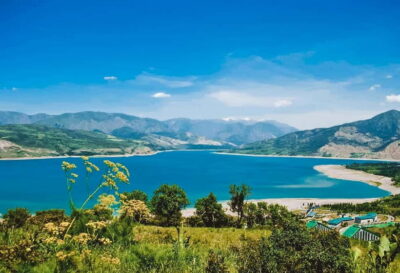
Best of Tashkent Mountains: Amirsoy, Chimgan & Charvak Trip
Read our review →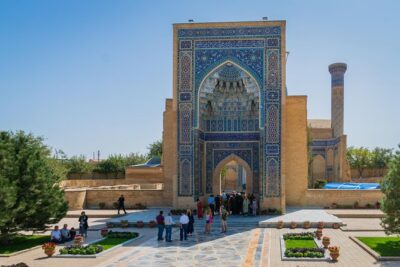
Samarkand One Day Tour – Departure From Tashkent
Read our review →Tashkent: Amirsoy Resort, Chimgan Mountain and Charvak Lake
Read our review →From Tashkent: Sightseeing Day Trip to Khujand, Tajikistan
Read our review →Explore Amirsoy, Chimgan & Charvak – A Full-Day Mountain Tour
Read our review →Tajikistan : Exclusive Seven Lakes Day Tour From Samarkand
Read our review →Explore Amirsoy, Chimgan, Charvak Adventure Tour
Read our review →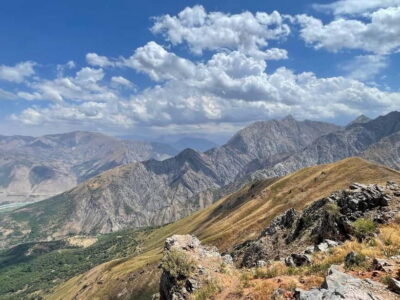
Browse the lists this tour appears in