
Reviewed · FOOD TOURS IN TASHKENT
Tashkent Walking & Food Tour: Highlights + Local Flavors
Tashkent’s best introduction may be underground. This tour links grand public squares, Islamic monuments, an artistic Soviet-era metro, and Chorsu Bazaar, giving you a quick sense of how old and new Uzbekistan share the same city. The local food option adds bread, dried fruit, sweets, and market snacks to the route.
I like the mix of major sights and ordinary city life, especially the short metro ride between stations such as Alisher Navoi and Kosmonavtlar. I also like the flexible format: you can focus on architecture, food, or both. The main consideration is pace. In three to four hours, each stop is a taste rather than a full visit, and metro tickets and optional snacks cost extra.
Key things to know before booking
- The metro is part of the sightseeing: You ride between a few decorated stations, not simply use it as transport.
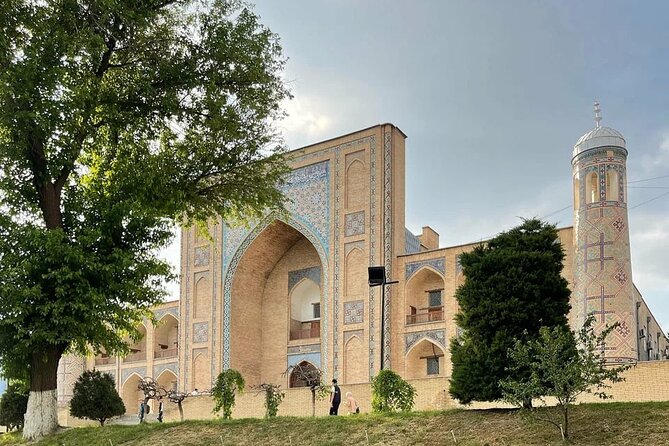
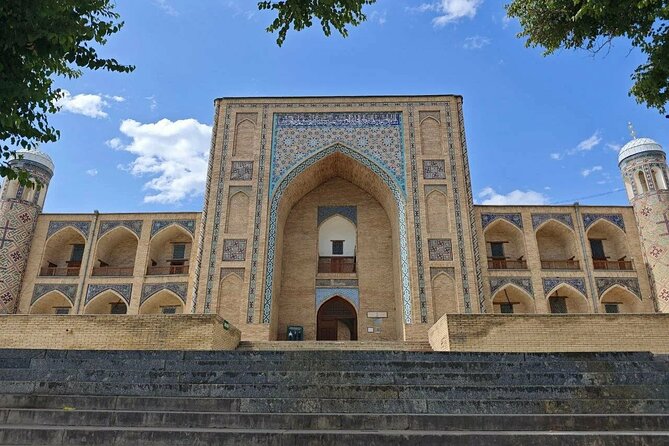
- Hazrati Imam is the cultural center of the route: Barak Khan Madrasa, Tillya Sheikh Mosque, and the Muyi Muborak museum area bring Islamic learning and manuscript traditions into focus.
- Chorsu Bazaar is your food stop: Expect stalls of bread, spices, dried fruit, sweets, and crafts, with optional snacks available at your own cost.
- The guide can shape the day: Asrorbek, Golib, Muhammad, and Murodil have led this experience, though your assigned guide may differ.
- The group is capped at 15 people: That is small enough for questions, though the feel depends on the final group size.
- The price is modest: At $25 per person, it offers a useful first look at central Tashkent, but it is not a private, in-depth museum tour.
Why this route works for a first day in Tashkent
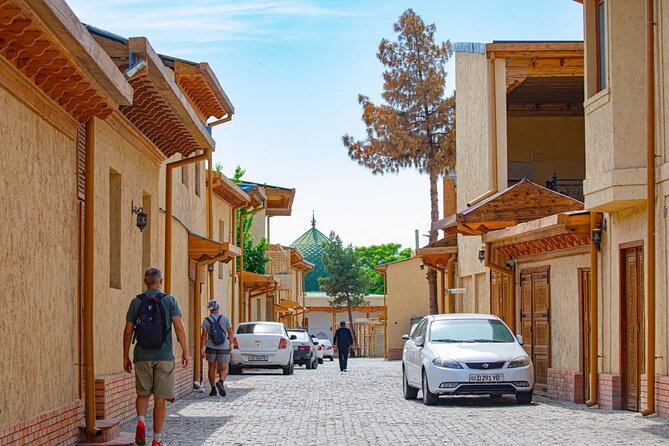
This is a city-orientation tour with food woven into the sightseeing, rather than a long formal history lesson. You move through several sides of Tashkent: imperial memory at Amir Temur Square, state symbolism at Independence Square, Soviet design in the metro, Islamic scholarship at Hazrati Imam, and daily commerce at Chorsu Bazaar.
That range is the main value. Tashkent can seem spread out and modern at first, with broad roads, large public spaces, and plenty of greenery. A guide helps connect those spaces to the city’s past and explains what you are seeing without asking you to spend half a day in one museum.
The route lasts about three to four hours. That makes it useful soon after arrival, especially if you want a basic map of central Tashkent before exploring alone. You can also use it as a gentle introduction after a long journey, since the walking is broken up by metro travel and short stops.
The experience is offered as a walking tour, a local food tour, or a combined option. Confirm which version you are selecting when booking, since the sightseeing route and food focus may not be identical in emphasis.
More Food Tours in Tashkent
- Tashkent: Uzbek Culture, Food, Crafts & Pottery Masterclass
★ 5.0 · 24 reviews - Tashkent Vegan Street Food Tour
★ 5.0 · 22 reviews - With John Private Tashkent city & Food tour
★ 5.0 · 13 reviews
Amir Temur Square and Tashkent’s modern center
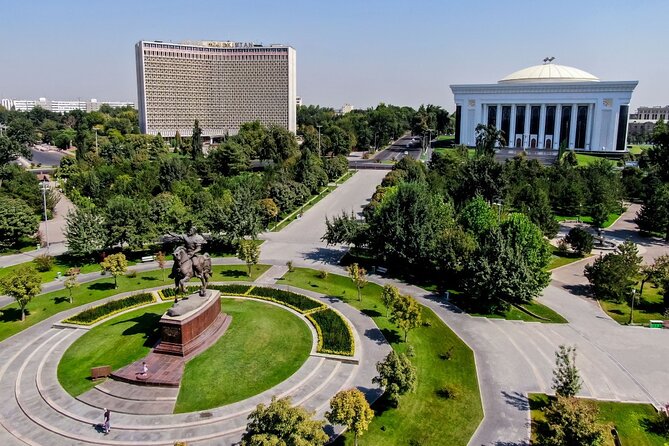
The tour begins at Hotel Uzbekistan on Mirzamakhmud Musakhanov Street 45. Amir Temur Square takes about 20 to 30 minutes, enough time for an explanation, photos, and a first look at central Tashkent.
The equestrian statue of Amir Timur is the obvious focus. Your guide explains Timur’s empire and why he became a national symbol in modern Uzbekistan. That context matters because the statue is not just a decorative monument. It reflects the way present-day Uzbekistan uses medieval statehood and military power as part of its national story.
The grand Hotel Uzbekistan forms a useful visual counterpoint. The square places Soviet and post-Soviet city design beside a figure from the medieval past, which helps you read Tashkent as a city that has been repeatedly rebuilt and reinterpreted.
After the square, you stroll along a shaded central boulevard lined with cafés, designer shops, and fountains. The exact route description does not name the boulevard, but it is presented as a key part of modern Tashkent. This is a pleasant transition between formal sightseeing and everyday city scenes.
You should expect a city walk rather than a stop-by-stop architectural study here. If you want detailed information about every building, ask direct questions. A flexible local guide can often add more when you show interest.
Independence Square and national memory
Independence Square, also called Mustakillik Square, takes around 25 to 30 minutes. The route passes through the Arch of Independence, decorated with storks that represent peace, then continues toward the Independence Monument and the Eternal Flame for soldiers who died in war.
This is a more ceremonial part of the city. The broad open space and official monuments communicate how Uzbekistan presents itself as an independent nation. It is worth listening carefully here, because the meaning comes less from a single building than from the symbols placed together.
The stop also gives you a break from the tighter visual detail of the metro and old religious complex. You can take photos, walk at an easy pace, and ask how the square fits into Uzbekistan’s recent national story.
One practical point: large public squares can feel exposed in strong sun, even though parts of the wider route are shaded. A hat, water, and comfortable walking shoes are sensible. The tour is not described as strenuous, but it does combine several outdoor stops.
Tashkent Metro: art, history, and a small extra cost
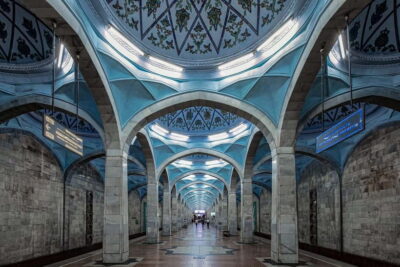
The metro portion is one of the more distinctive parts of the experience. You ride between a few artistic stations, with Alisher Navoi and Kosmonavtlar given as examples. The guide explains Soviet influence on the stations’ design and points out recent modernization.
This is not only a practical transfer. Tashkent’s metro stations are part of the city’s visual identity, and each station can feel different in style and mood. Kosmonavtlar, for example, connects naturally with the space and science theme suggested by its name, while Alisher Navoi reflects Uzbekistan’s literary culture.
You will have time for underground photographs, subject to the rules in force at the time of your visit. Your guide can help you understand what makes the stations worth seeing rather than simply leading you through them.
Metro admission is not included. One useful detail comes from the experience of a guest who was guided by Muhammad, a student. Muhammad used his own student pass while the correct fare was being sorted out. That was a kind practical gesture, but you should not count on a guide paying your fare. Carry some Uzbek currency or be ready to buy your own ticket.
The metro stop also breaks up the walking. That matters on a warm day or if you have just arrived in Tashkent. At the same time, station visits are brief, so photography fans may wish they had more time at each one.
Same city, a completely different day out:
- Best of Tashkent Mountains: Amirsoy, Chimgan & Charvak Trip
★ 4.8 · 567 reviews - Samarkand One Day Tour – Departure From Tashkent
★ 5.0 · 313 reviews - Samarkand One-Day Tour Departure from Tashkent
★ 4.7 · 171 reviews - Tashkent: Amirsoy Resort, Chimgan Mountain and Charvak Lake
★ 4.8 · 170 reviews
Hazrati Imam and the Uthman Quran
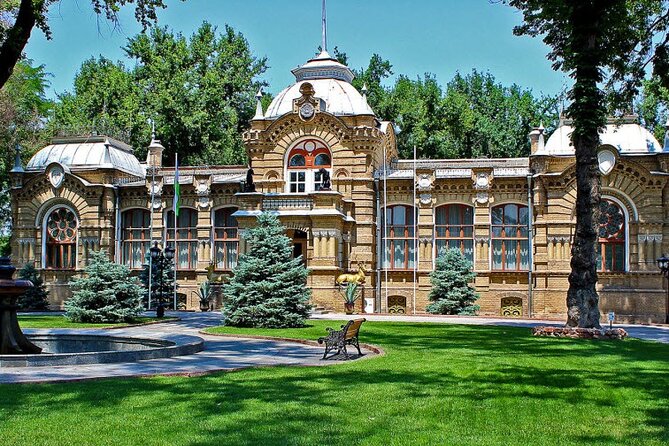
The Hazrati Imam Ensemble is the spiritual and historical center of the route. The listed time is about 30 to 40 minutes, though the individual buildings may receive only a short look. You visit or view the Barak Khan Madrasa, Tillya Sheikh Mosque, and Muyi Muborak Library Museum.
Barak Khan Madrasa dates from the 16th century and is known for its detailed façades. Even a five-minute exterior stop lets you see the decorative character of the building and understand its role as a former theological school.
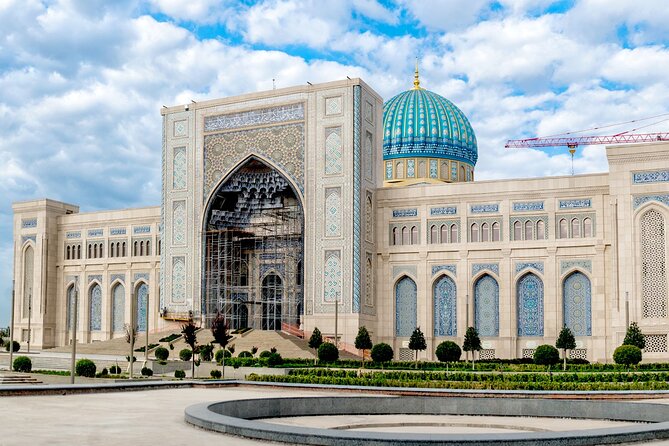
Tillya Sheikh Mosque represents Tashkent’s Islamic tradition and formal religious architecture. Your guide can help explain the place in a way that links the building to the wider ensemble instead of treating it as a quick photo backdrop.
The Muyi Muborak museum area is the most important stop for many history-minded visitors. It is famous for holding the Uthman Quran, described here as the world’s oldest known Quran manuscript. The site also contains ancient manuscripts and points to the long tradition of Islamic study in the region.
The information provided says access to the Uthman Quran museum is usually free, but entrance is listed as not included. That sounds like a small contradiction in practical terms, so ask your guide about the current arrangement on the day. Do not assume every special room or museum area will be open.
The time here is enough for an introduction, not a slow examination of every inscription or manuscript. If Hazrati Imam is your main reason for booking, you may want to return later on your own for a longer visit.
Dress and behavior should be respectful at the mosque and religious sites. The tour information does not set out a formal dress code, so modest clothing is the safe choice. Follow your guide’s instructions about photography and entry.
Chorsu Bazaar: bread, sweets, and local shopping
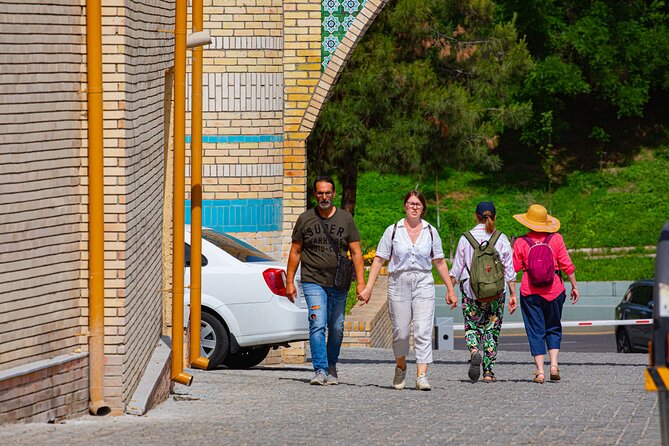
Chorsu Bazaar is the most sensory stop and the clearest link to the food part of the experience. You spend about 30 to 40 minutes among stalls selling spices, dried fruit, sweets, bread, and crafts.
The market is a good place to see food as part of daily life rather than as a restaurant performance. You may watch traditional bread-making, see how produce is presented, and speak with local vendors through your guide. The guide’s presence is useful for names, prices, and basic etiquette, even if you are not planning to buy anything.
Optional local snacks are available, but they are not included in the price. Bring some money if tasting is important to you. The description does not promise a fixed number of samples or a set meal, so think of this as a market tasting opportunity rather than a full food crawl.
The bazaar is also where the tour’s flexible format needs a little care. A walking and sights-focused version may give you a quick market visit, while a combined or food-focused option may spend more time on what to eat. Confirm the food inclusions before you pay if sampling is your priority.
Chorsu is a strong final stop because it leaves you near practical food and shopping possibilities, but this activity ends back at the meeting point. You can ask the guide for suggestions, which are included as part of the experience, then return later if you want more time in the market.
The guides and the feel of the tour
The listed provider is Odil, but several guides may lead the experience. Asrorbek is named in particularly positive comments for explaining key sights and making history clear during a first visit to Uzbekistan. Golib is also singled out as a good guide for a full day of walking.
Muhammad is described as a student guide who helped with the metro and made the city feel comfortable and accessible. Murodil was newer to guiding and still developing his skills, but the experience remained enjoyable. That gives you a fair picture: the company appears to use personable local guides, but their experience level can vary.
Asrorbek also handled a last-minute request to move a tour one hour later and adjusted the route so the visitor did not miss anything. Flexibility is useful, but changes made close to the start time are not guaranteed and may fall outside the cancellation terms.
The strongest feature here is likely the local conversation. You are not only looking at monuments. You can ask how places fit into present-day Tashkent, what foods to try, and where the city’s residents spend time. The guide’s personality will shape how much detail you receive.
The maximum group size is 15. A smaller group should make it easier to hear explanations and ask questions. With a full group, you may spend more time waiting at crossings or gathering after metro rides.
Is $25 good value?
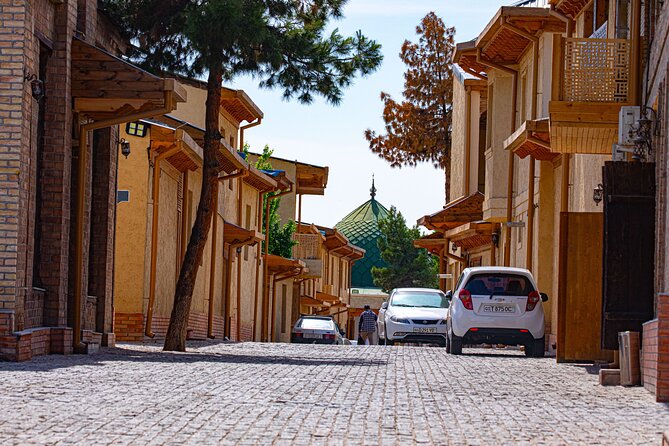
At $25 per person, this is a reasonably priced way to cover several central sights in a short period. The value comes from the route, local guide, city orientation, and practical suggestions, not from included admissions or a substantial meal.
You pay separately for metro travel and optional market snacks. Access to the Uthman Quran museum is usually free, but the activity does not include entrance fees. That means the final cost should be only a little above the advertised price for most people, unless you shop or eat generously at Chorsu.
The price looks strongest for a first-time visitor who would otherwise need to work out the metro, locate Hazrati Imam, and connect the major squares alone. It is less compelling if you want a private guide, long museum visits, or a carefully planned tasting menu.
Group discounts are available, which may improve the deal for families or friends. Confirmation is sent at booking, and mobile tickets make the arrangement simple.
Who should book this Tashkent tour?
I would choose this experience if you want a broad first look at Tashkent and prefer local context over a rigid lecture. It suits solo visitors, couples, and small groups who want to combine public monuments, religious architecture, transport, and food in one morning or afternoon.
It is also a good fit for a first few hours in Uzbekistan. One visitor used the tour at the start of a trip and found the clear historical background useful. That is exactly how I would use it: get your bearings, note places worth revisiting, and ask for food or sightseeing suggestions.
Food-focused visitors should book the option that clearly includes the local food element. Since snacks are optional and paid separately, this is not the right choice if you expect a full lunch with all tastings covered.
You may want something else if you dislike group tours, need a slow pace, or want long time inside each religious and historic site. The route covers a lot, and the short individual stops favor variety over depth.
Free cancellation is available when you cancel at least 24 hours before the start time. Within 24 hours, the payment is not refunded, and changes are not accepted.
Should you book it?
Book this tour if you want a compact, affordable introduction to Tashkent that mixes metro art, national monuments, Islamic sites, and market food. The best parts are the unusual route and the chance to ask a local guide about the city as you move through it.
Before booking, confirm whether you are choosing the walking, food, or combined version, and plan to carry money for the metro and Chorsu snacks. If you accept that the tour offers short visits rather than full museum time, $25 is a sensible price for getting oriented quickly.
FAQ
How much does the Tashkent Walking and Food Tour cost?
The price is $25 per person. Group discounts are available.
How long does the experience last?
The tour lasts approximately three to four hours.
Where does the tour start?
It starts at Hotel Uzbekistan, Mirzamakhmud Musakhanov Street 45, Tashkent, Uzbekistan.
Where does the tour finish?
The activity ends back at the meeting point.
Is the tour available as a walking tour and a food tour?
Yes. You can choose a walking tour, a local food tour, or a combined experience.
Is a guide included?
Yes. A guide is included. Guides who have led the experience include Asrorbek, Golib, Muhammad, and Murodil.
Are metro tickets included?
No. Metro admission is not included.
Are food tastings included?
Optional local snacks at Chorsu Bazaar are not included in the tour price. You pay for them separately.
Is entrance to the Uthman Quran museum included?
The Uthman Quran museum access is usually free, but entrance fees are listed as not included. Ask the guide about the current access arrangements.
How many people can join the tour?
The maximum group size is 15 people.
Can I cancel for a full refund?
Yes, if you cancel at least 24 hours before the experience start time. Cancellations within 24 hours are not refunded, and changes within that period are not accepted.
More Walking Tours in Tashkent
- Tashkent Walking City Tour
★ 4.5 · 70 reviews - Tashkent Walking Tour with Local Lady / Gentleman
★ 4.5 · 29 reviews - Tashkent Walking Tour
★ 4.5 · 7 reviews - Tashkent City Highlights Guided Walking Tour
★ 5.0 · 6 reviews
More Food in Tashkent
- Food tour in Tashkent
★ 4.7 · 7 reviews - Ten Bites Adventure Food Tour in Tashkent
★ 5.0 · 6 reviews - Food tour in Tashkent
★ 5.0 · 5 reviews - Tashkent Food and Metro Journey
★ 5.0 · 4 reviews
Just added around Tashkent
- Tashkent Mountain Tour Amirsoy with Transport★ 3.5 · 3 reviews
- Tashkent: 3-Day Horseback Riding Tour in Chimgan Mountains★ 4.4 · 3 reviews
- Private Intercity Transfer Tashkent – Samarkand – Tashkent★ 3.5 · 3 reviews
- Samarkand: Uloq-Kopkari (Buzkashi) Game Day Tour★ 5.0 · 3 reviews
- Private Tashkent City Tour★ 5.0 · 3 reviews
- Transfer Tashkent Airport / Railway Station – Hotel★ 3.5 · 3 reviews
- Half-day excursion around Tashkent★ 5.0 · 3 reviews
- Amirsoy & Chimgan mountain tour from Tashkent★ 5.0 · 3 reviews
Food Tours in Tashkent, compared.
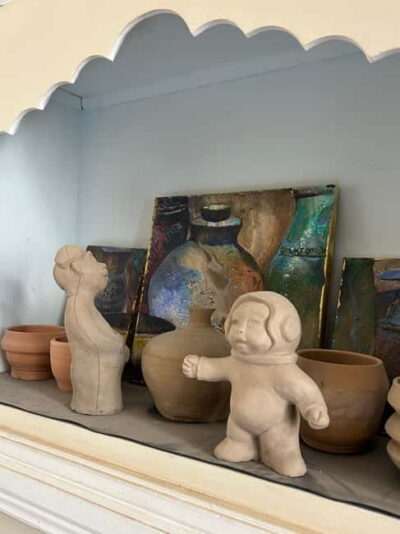
Tashkent: Uzbek Culture, Food, Crafts & Pottery Masterclass
Read our review →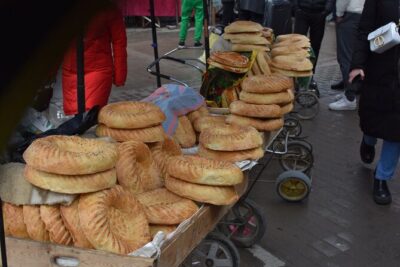
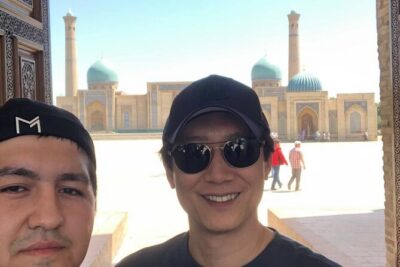
Tashkent: 4 Hour Food Tour and Metro Journey with a Guide
Read our review →
Browse the lists this tour appears in